























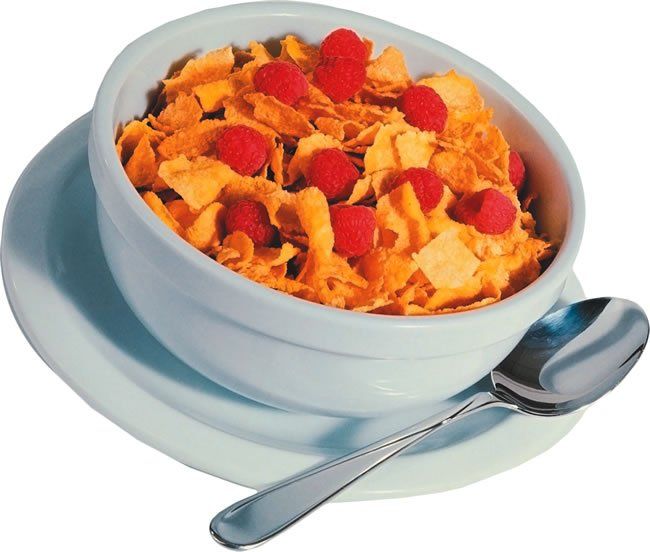
What Are Whole Grains?
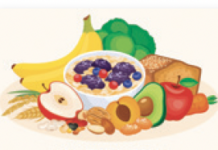
Whole grains or foods made from them contain the entire grain seed-all the parts in their original proportions, including the naturally occurring nutrients. According to the Dietary Guidelines for Americans, if the grain has been cracked, crushed or flaked, a food must retain the same relative proportions as they exist in the intact grain to be called a whole grain. This means that 100% of the original grain-all of the bran, germ and endosperm-must be present to qualify as a whole grain. Refined grains retain only the endosperm portion of the original seed.
Special Supplement: 10 Red Flags of Misleading Nutrition Claims
Nutrition is not a science of breakthroughs, explains Tufts professor Jeanne Goldberg, PhD, founder and director of the Friedman Schools Nutrition Communication Program, which trains professionals to explain research findings in ways that the public can understand. Nutrition research often moves the needle only a little bit at a time. Its evolution, not revolution, she says.

Special Supplement: TV Medical Shows: Scientific Static
When it comes to getting advice from doctors on TV, you might be just as well off consulting the fictional Marcus Welby, MD, or Dr. Kildare rather than the real physicians on popular talk shows. A new study published in the journal BMJ analyzed recommendations from 40 randomly selected episodes of each of the two highest-rated medical programs, The Dr. Oz Show and The Doctors. Overall, barely half the 160 recommendations could be supported by scientific evidence.
Poll: Consumers Want Restaurant Calorie Info
Most Americans support new rules requiring calorie counts on chain-restaurant menus and prepared foods in supermarkets, according to an Associated Press-Gfk poll. The long-awaited rules announced by the US Food and Drug Administration have generated opposition from some in the food industry. (See NewsBites, February.) But 56% in the poll supported calorie counts on fast-food menus, 54% at sit-down restaurants, and 52% on prepared grocery foods. Women and college-educated people were more likely to support the rules.
Dietitians Pick Top Trends
Trends to watch in nutrition-driven consumer choices this year will include growing popularity for seeds and nuts, green tea and ancient grains such as amaranth, quinoa, spelt and freekah, according to a survey of 500 registered dietitians. The survey, conducted for the journal Todays Dietitian, predicted that consumers will eat less red meat and continue to turn away from low-fat diets. Kale and coconut will remain popular based on their perceived health benefits (accurate for kale, less so for coconut), as will healthy choices like Greek yogurt and avocado. The dietitians also predicted consumers will keep trying gluten-free and wheat-free diets to lose weight (rather than out of genuine need, as in celiac-disease patients), despite a lack of evidence supporting such regimens for weight loss, while the so-called Paleo diet will gain in popularity. Also on the rise: misinformation about nutrition, fueled in part by the Internet.
New GMO Potato Cuts Cancer-Linked Chemical
French-fries and potato-chip fans concerned about cancer risk from fried potatoes may have hope on the horizon. Idaho-based J.R. Simplot Co. has received USDA regulatory approval for a genetically modified potato that produces less acrylamide when fried. Thats the naturally occurring chemical linked to concerns about increased cancer risk from fried-potato consumption. The Innate potato, which comes in Russet Burbank, Ranger Russet and Atlantic varieties, also resists bruising, a potential money-saver for growers and processors.
Putting B Vitamins for Brain Protection to the Test
Could extra B vitamins reduce your risk of cognitive decline and dementia by lowering blood levels of an amino acid called homocysteine? That tantalizing promise was put to the test in two recent large-scale studies, and in both cases researchers proclaimed the results disappointing. But other experts say the jury is still out, particularly for people with low B-vitamin status or those who are already experiencing cognitive decline.
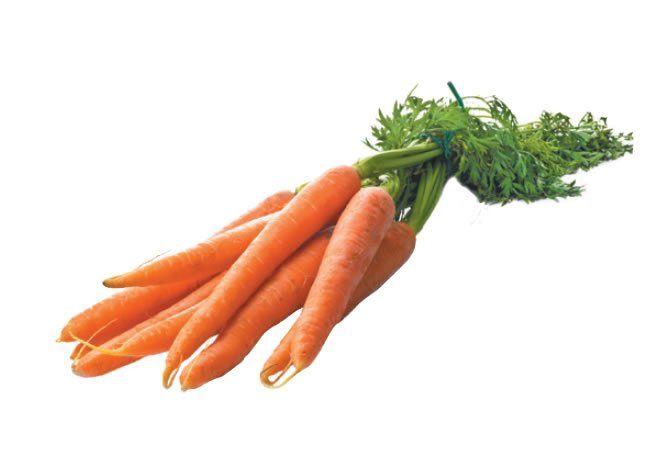
Are You Seeing All the Health Benefits of Carrots?
Bugs Bunny, always depicted munching on a carrot, may have been onto something. Researchers have found that carrot consumption not only helps insure an adequate intake of a variety of important nutrients and fiber, but may also reduce your risk of chronic disease.
Sandwiches a Top Sodium Source
Dagwood Bumstead, the comic-strip character famed for his sandwiches, might want to check his blood pressure. A new analysis of national dietary data by USDA researchers reports that sandwiches account for one-fifth of average sodium intake, a key contributor to hypertension
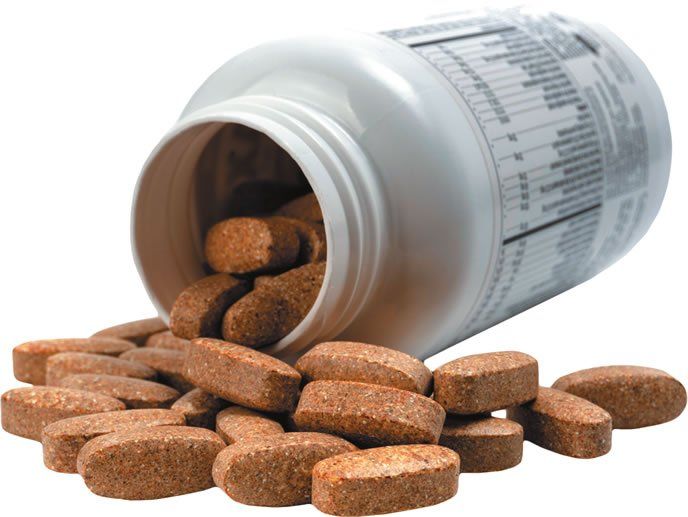
Safe Upper Levels for Vitamins and Minerals: What You Need to Know
If a little is good, most Americans are accustomed to thinking, more must be better and a lot must be better still. When it comes to vitamins and minerals, however, it is possible to get too much of a good thing-especially if some of your nutrients are coming from pills instead of food.Remember that most of your vitamin and mineral needs can be safely met by a thoughtful diet, cautions Irwin H. Rosenberg, MD, editor of the Tufts Health & Nutrition Letter. The use of so-called dietary supplements will always be associated with some degree of risk.