


























Could Choice of Alcoholic Beverage Affect Arthritis Risk?
Wine drinkers may be less likely to develop osteoarthritis of the knee, while drinking beer is associated with greater risk of osteoarthritis in both the knee and hip. Writing in Arthritis Research & Therapy, British researchers reported those findings from an analysis of nearly 3,000 participants in the Genetics of OA and Lifestyle study.But dont change your drinking preferences based on this study alone. The interpretation of these observations is complicated by the relatively weak nature of evidence from the retrospective case-control study design used by the studys authors along with the lack of supporting evidence in the literature for this relationship, says Paul F. Jacques, DSc, director of Tufts HNRCA Nutritional Epidemiology Program.

5 Things the Nations Nutrition Experts Want You to Know Now
Yes, eggs are back on the menu, and not only is it OK to wash them down with a cup of coffee (watch the cream and sugar), it may even be good for you. On the other hand, you should cut down on added sugars. But those headlines from the recently released report of the Dietary Guidelines Advisory Committee (DGAC) arent the most important takeaway from the every-five-years review of scientific evidence. That should be the importance of a healthy overall dsietary pattern.
Tufts professor Alice H. Lichtenstein, DSc, who served as vice-chair of the committee, also warns not to confuse the experts report with the official Dietary Guidelines for Americans. The committee was tasked with writing a report that summarized the scientific evidence for use by the secretaries of agriculture and health and human services to formulate the 2015 Dietary Guidelines, she explains. Our task was not to make recommendations, but to identify critical issues and present the data on the topic.
Lichtenstein and a fellow professor at Tufts Friedman School, Miriam Nelson, PhD, have been meeting with 12 colleagues since June 2013 to develop the report. Tufts Tim Griffin also served as a consultant to the committee on sustainability. The US Department of Agriculture and Department of Health and Human Services are expected to follow up on their work by issuing the updated official Dietary Guidelines by years end.
Given the caveat that the experts 571-page report isnt the last word, what would these nutrition experts like you to know about the latest evidence? Here are five key points:
Tufts professor Alice H. Lichtenstein, DSc, who served as vice-chair of the committee, also warns not to confuse the experts report with the official Dietary Guidelines for Americans. The committee was tasked with writing a report that summarized the scientific evidence for use by the secretaries of agriculture and health and human services to formulate the 2015 Dietary Guidelines, she explains. Our task was not to make recommendations, but to identify critical issues and present the data on the topic.
Lichtenstein and a fellow professor at Tufts Friedman School, Miriam Nelson, PhD, have been meeting with 12 colleagues since June 2013 to develop the report. Tufts Tim Griffin also served as a consultant to the committee on sustainability. The US Department of Agriculture and Department of Health and Human Services are expected to follow up on their work by issuing the updated official Dietary Guidelines by years end.
Given the caveat that the experts 571-page report isnt the last word, what would these nutrition experts like you to know about the latest evidence? Here are five key points:
Worlds Diets Still Have a Long Way to Go
In a first-of-its-kind analysis of worldwide dietary patterns, researchers from Tufts and the University of Cambridge found overall diet quality worsened even as consumption of healthier foods increased in many countries. The study, published in The Lancet Global Health, compared trends in 1990 and 2010. Overall, increases in unhealthy foods outpaced beneficial dietary changes, especially in middle-income nations.
Browning-Resistant Apple Approved
The US Department of Agriculture has approved two new bioengineered apple varieties that use genes from other fruit trees to resist browning when the apples are cut or bruised and exposed to air. Developed by a Canadian biotech company, the Arctic Granny and Arctic Golden apples will begin to reach stores late next year. Organic growers and critics of genetically modified (GMO) foods had opposed the USDAs action, but the agency ruled that the apples are unlikely to pose a plant risk to agriculture.

FDA Cautions on Coconut Oil Claims
Dont believe everything you read about coconut oil, the US Food and Drug Administration cautions. The agency issued a warning letter to Carrington Farms, a maker of coconut products, over claims that coconut oil and its chemical constituents treat diseases. Claims included treating gastroenteritis, ringworm, hemorrhoids, ear aches, joint and muscle inflammation, and heart disease. Such disease claims are limited to pharmaceutical products. Moreover, the FDA noted that coconut oil cannot be touted as low in calories or as healthy because that term can be used only for foods containing less than 15% of calories from fat.
Oranges vs. Orange Juice: Which Is Better for You?
Readers of this newsletter know that drinking fruit juice is no substitute for consuming whole fruits. Processing fruit into juice loses most of the fiber, often adds sugar, and damages some of the nutrients that make fruit such a healthy choice. But people who nonetheless like to start their day with a glass of orange juice can take some encouragement from a new study published in the Journal of Agricultural and Food Chemistry. It found that juicing may improve how readily certain nutrients can be absorbed by the body.
Generation Z: Well Pay for Healthier Food
Young consumers in Generation Z, under age 20, are making health a priority when making food choices-and are willing to pay more for it. A new Nielsen survey of 30,000 people in 60 countries, the Global Health and Wellness Survey, reports that 41% of younger consumers say they would pay a premium for foods they perceive as healthier. That compares to 32% of Millennials (ages 21 to 34) and about 21% of Baby Boomers (about age 50 to mid-60s). People of all ages say overwhelmingly-80%-they are using food choices to try to prevent obesity and chronic diseases. Marketers seeking to appeal to those concerns need to be careful, however, as 63% of those surveyed globally say they are skeptical of food health claims. Consumers in the US and Europe, where such claims are more tightly regulated, were less likely to express skepticism (56% and 51%, respectively) than those in developing countries
Sugar Consumption May Have Peaked
Increasing concerns about the health effects of dietary sugar may be helping to put a lid on global consumption. A new study reports that dietary sugar intake is decreasing or stable among most demographic groups, and increasing only in a few subpopulations. In findings published in Nutrition Research Reviews, researchers compared both absolute sugar intake and consumption as a percentage of calories in the US, 10 European countries, Australia and New Zealand. Just over half of those comparisons showed trends toward decreasing sugar consumption. Male Norwegian adults had the greatest decrease, while New Zealand women increased sugar intake the most. Sugar consumption in the US was down among most groups-including male adolescents, a group frequently cited in concerns about high sugar intake.
Fast Food: Why It Pays to Compare
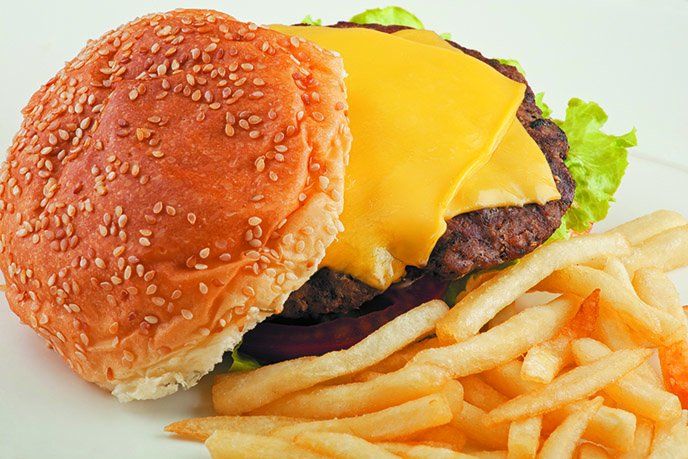
Making healthy choices at fast-food restaurants remains a challenge, according to new Tufts research, but-contrary to some perceptions-it has not gotten worse. Levels of dangerous trans fats in fries have actually improved, while portion sizes, calories, sodium and saturated fat changed little between 1996 and 2013.
Blueberries Good for Your Blood Pressure and Brain
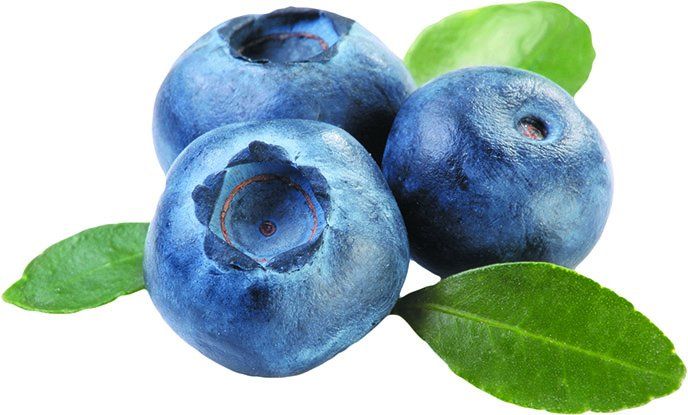
With the domestic blueberry season about to begin, theres no better time to celebrate the bountiful health benefits of Americans second-favorite berry (after strawberries). New research has linked blueberry consumption to better blood pressure, and Tufts scientists continue to explore how blueberries protect the brain. More than three-dozen current clinical trials are testing blueberries possible benefits for vision, gout protection, arterial function, blood sugar and more.