




























Live Longer: Improve Your Diet Quality Long Term
Improving your eating pattern and sticking to these changes for the long haul may have a big impact on reducing your risk of dying prematurely. Those were the findings of a new study published in the New England Journal of Medicine.
Are Chemicals Contributing to the Obesity Epidemic?
Why are more than two-thirds of adults and about one-third of kids in the US overweight or obese? Two key factors in weight control are our eating habits and physical activity levels. But, complex interactions between our genetics and environmental factors may play a role, too.

Celebrating 35 Years of Tufts Health & Nutrition Letter
Newer subscribers to Tufts Health & Nutrition Letter may not know that this award-winning newsletter got its start with Stanley N. Gershoff, PhD, (1924-2017) at the helm. He developed the newsletter (originally called Tufts University Diet & Nutrition Letter) in 1983 and edited it until 2000. There's much more we have to thank him for in the field of nutrition though.
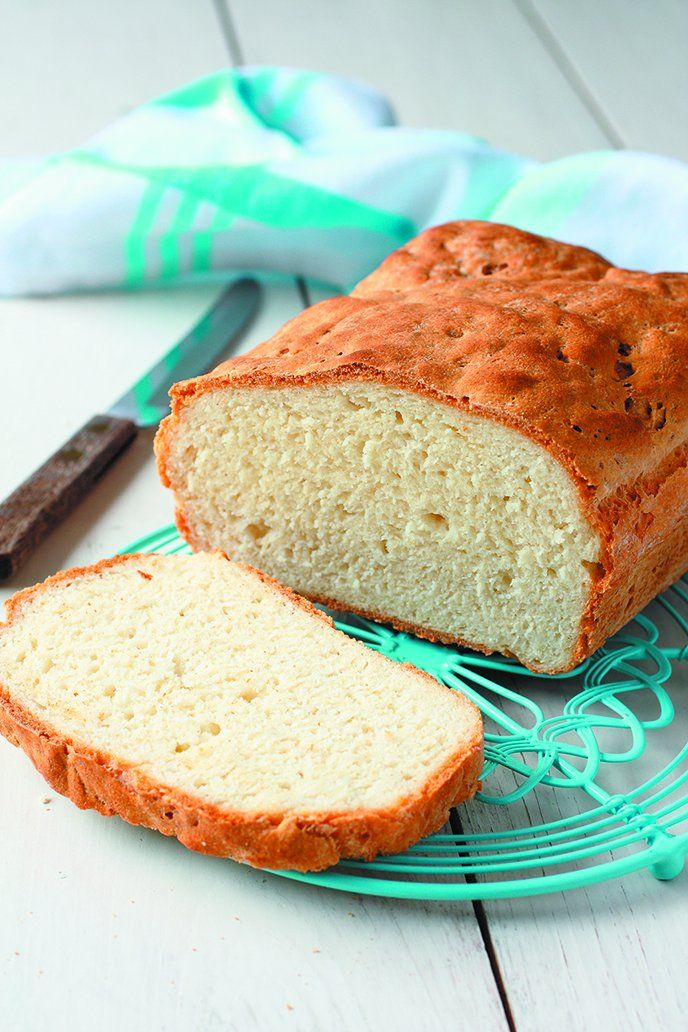
New Insights: Glycemic Index
Guessing the effects of a meal on your blood sugar isn't easy, even if you use the glycemic index. That's a ranking of how much standardized (50-gram available carbohydrate) portions of individual foods increase blood sugar. But, people typically eat a mix of different foods at any one time, which makes using the glycemic index less straightforward.
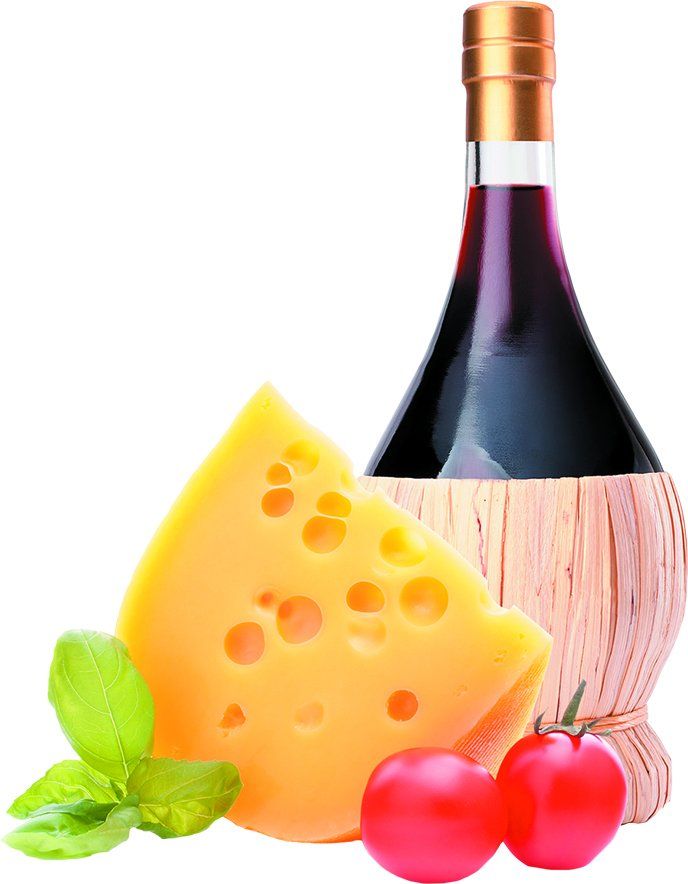
What Foods Can Cause Headaches?
People get headaches for many different reasons. Sometimes they may be triggered by what we eat or drink. Going too long without eating also may trigger headaches.
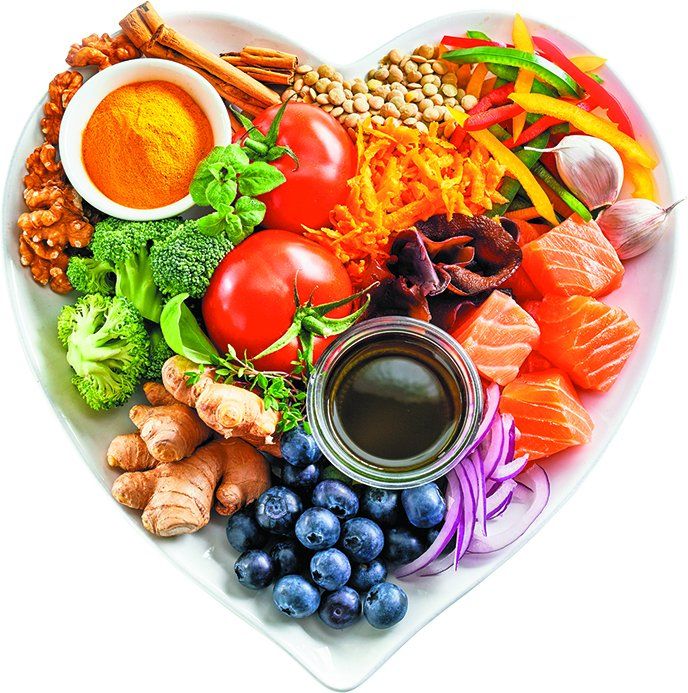
Nutrition Then and Now
Advice about how to eat for good health sometimes changes. To you, it may seem like scientists can't make up their minds. What's really happening is that scientists are continually learning new things about nutrition and health through research studies. Experts modify dietary guidance based on the totality of scientific evidence on a given topic.
7 Ways to Help Fight Food Waste
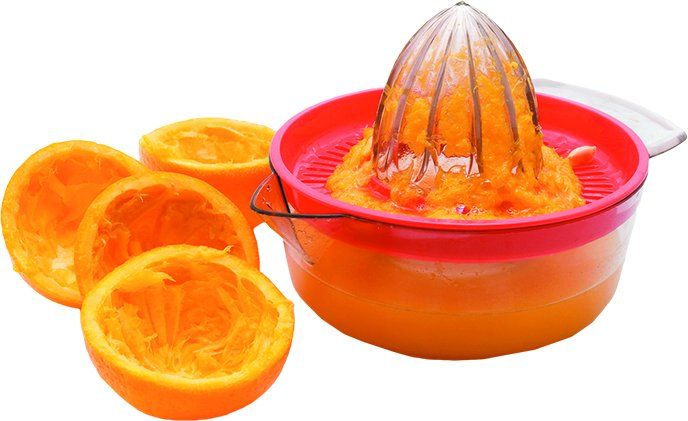
What foods have you thrown out recently? Maybe some slimy salad greens, moldy bread or a bit of leftover spaghetti? If you can't think of any food you've tossed lately, you're doing better than most of us. Each year, the average family of four throws out over 1,000 pounds of food at a cost of $1,500.
Are You Getting Enough Vitamin E from Your Diet?
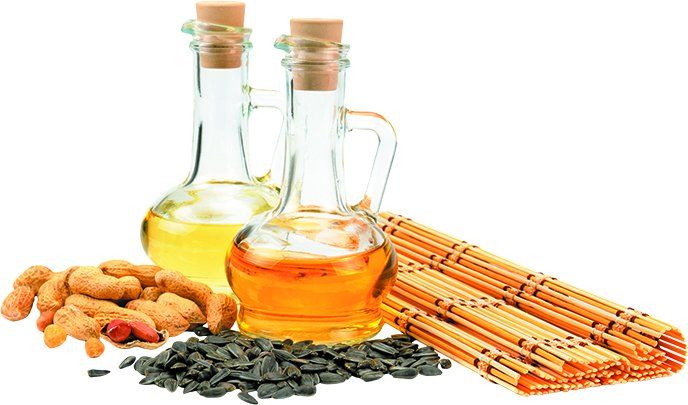
The vast majority of us fall short of meeting vitaminE recommendations. But, that doesn't mean we have a vitaminE deficiency. Outright vitaminE deficiency is uncommon. And despite shortfalls, the 2015-2020 Dietary Guidelines for Americans did not identify vitaminE as a nutrient of public health concern.

What is High-Oleic Sunflower Oil?
High-oleic sunflower oil is a type of plant oil made from sunflower seeds that have been conventionally bred to be high in oleic acid (a monounsaturated fatty acid) and low in linoleic acid (a polyunsaturated fatty acid). There is a minimum of 80% oleic acid in high-oleic sunflower oil. In comparison, traditional sunflower oil has less oleic acid (around 20%) and more linoleic acid. Both high-oleic and traditional sunflower oils are low in saturated fatty acids. Either type of sunflower oil is a good choice from a cardiovascular standpoint, but the traditional oil is less commonly sold in stores or used by the food industry.

No Juice Before Age 1 Says New Advice from Pediatricians
Grandkids or kids at home? Note new advice from the American Academy of Pediatrics (AAP). The group revised its stance from no juice before 6 months old to no juice before one year old.