

























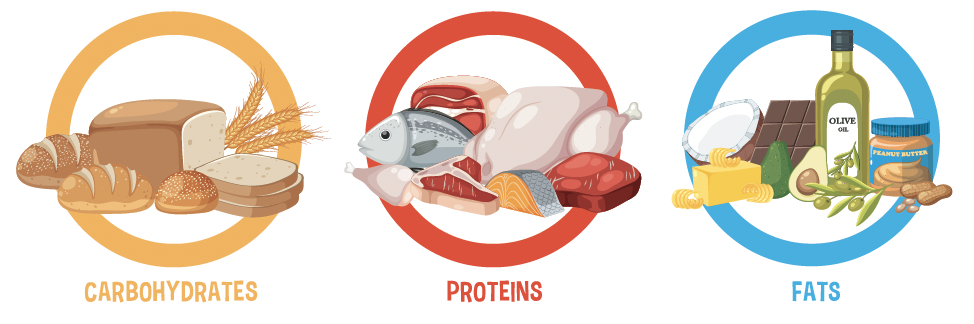
Macronutrients—carbohydrates, proteins, and fats—make up the backbone of your dietary intake. They provide calories (energy) to fuel your body. When they are digested and absorbed, their components play critical roles in virtually every bodily process. They are also the vehicle by which we ingest essential micronutrients (vitamins, minerals, and phytochemicals). In other words, the macronutrient choices you make determine which micronutrients your body gets. (For example, grapes are primarily carbohydrates but are an excellent source of fiber, vitamin C, vitamin K, and copper, along with hydrating water. Jellybeans are carbohydrates, too, but they are just sugar with food coloring and flavoring.)
To continue reading this article or issue you must be a paid subscriber. Sign in


Subscribe to Tufts Health & Nutrition
Get the next year of Tufts Health & Nutrition for as little as $18. And access all of our back issues and online content free of charge.
Subscribe today and save 36% off the regular rate!