



















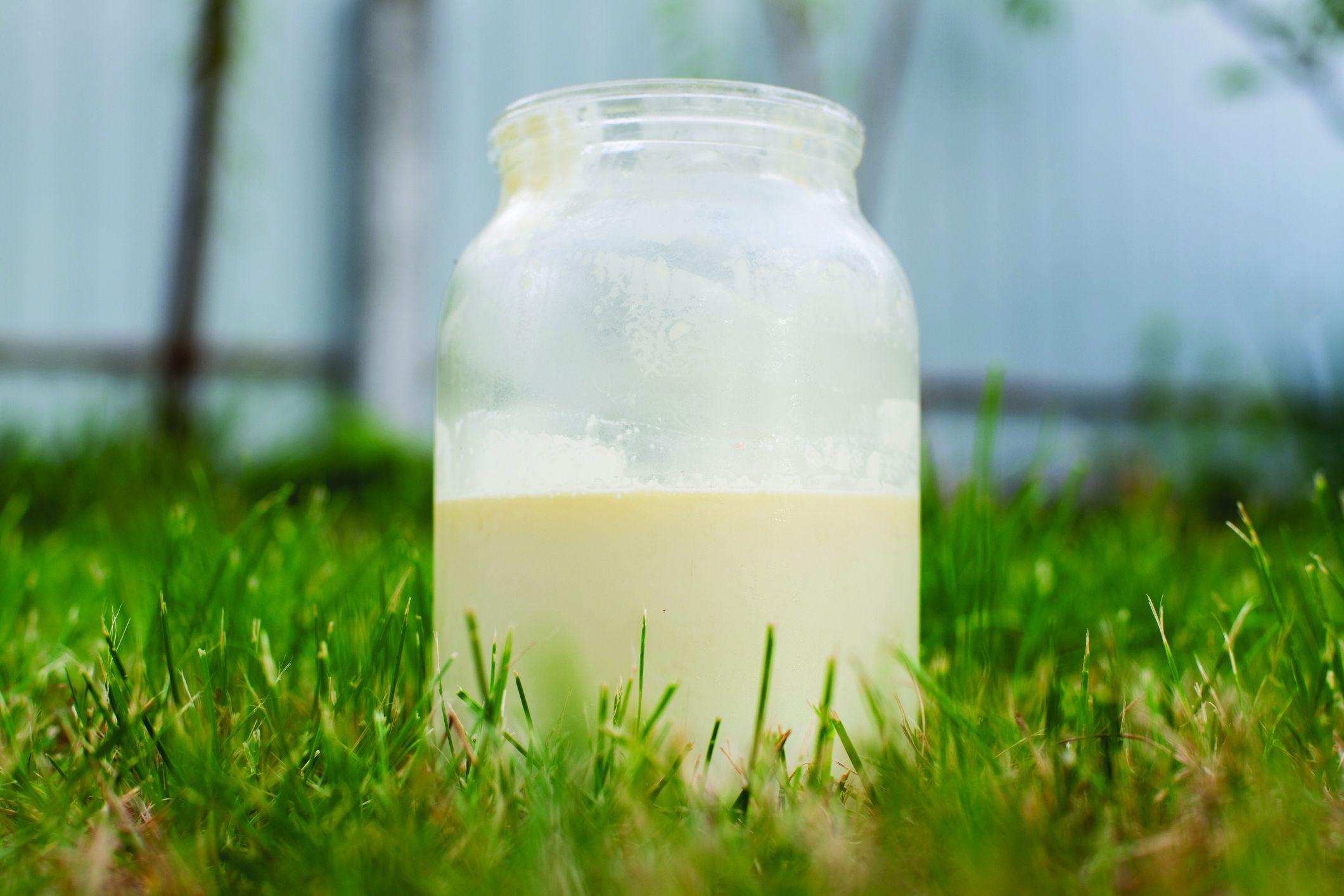
Q: I hear raw milk is healthier than pasteurized milk, but then I hear it’s dangerous and should be avoided. What is the truth?!
A: Judith C. Thalheimer, RD, LDN, executive editor of Tufts Health & Nutrition Letter, answers: “Contrary to what you may be hearing, there is no good scientific evidence that choosing raw milk is any better for health than pasteurized milk. But there is evidence it comes with health risks.
“Pasteurization is the process of heating a liquid just enough to kill harmful microorganisms. Studies show that exposure to the amount of heat necessary to kill the microorganisms does not alter the vitamin and mineral content of milk in any way that would significantly impact one’s overall nutrition.
“When Louis Pasteur invented the process that bears his name in 1864, people were regularly getting diseases like tuberculosis from milk. People are still getting tuberculosis from raw milk in some parts of the world. In the U.S., infection with E. coli and Campylobacter are more common. These bacteria typically cause abdominal cramping, vomiting, and diarrhea, but E. coli can cause kidney failure and sepsis, and Campylobacter can cause Guillain-Barré syndrome (which leads to paralysis that is usually temporary). Raw milk can also harbor Brucella, Cryptosporidium, Listeria, and Salmonella. Immunocompromised individuals, older adults, children, and pregnant women are at highest risk. “Good hygiene practices on farms lowers risk, and many people drink raw milk regularly without ill effects—but when those ill effects hit, they can be devastating. It’s just not worth the risk.”
Rachel Goodman, MD, is chief cardiology fellow at Tufts Medical Center.