
























A large study found that higher reported butter intake was associated with higher risk of death, while higher intake of plant-based oils was associated with lower risk.
The study followed over 221,000 U.S. adults for up to 33 years. Participants filled out validated food frequency questionnaires every four years. All participants were free of cancer, cardiovascular disease, diabetes, and neurodegenerative disease at the start of the study.
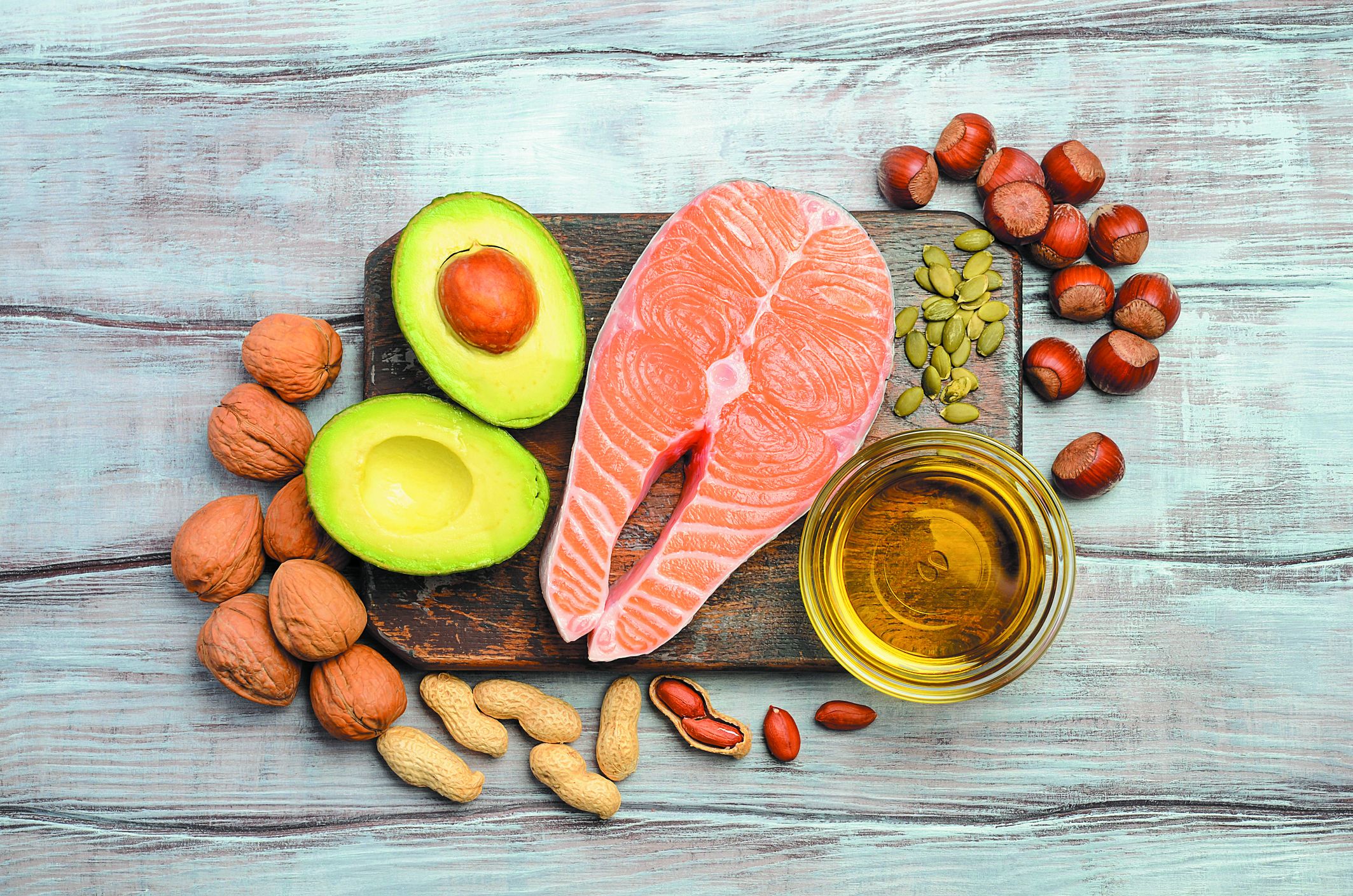
Participants were categorized into quartiles based on their reported butter or plant-based oil intake. The highest butter intake was associated with a 15 percent higher risk of death compared to the lowest intake. In contrast, the highest intake of total plant-based oils (from nuts, seeds, or fruits like avocados and olives) was associated with a 16 percent lower total mortality compared to the lowest intake. Higher intakes of canola, soybean, and olive oils were particularly associated with lower mortality. The authors estimated that substituting 10 grams of butter (about two teaspoons) with an equivalent amount of plant-based oils a day was associated with a 17 percent lower total mortality rate.
While all fats are a mix if different fatty acids, animal fats (like butter, beef tallow, lard, and bacon) and tropical plant oils (coconut, palm, and palm kernel) are highest in saturated fatty acids, while fats from other plants (like vegetable and seed oils) are highest in unsaturated fatty acids. A dietary pattern higher in saturated (animal) fat relative to unsaturated (plant) fat is associated with higher risk for cardiovascular disease. The authors concluded that “substituting butter with plant-based oils, particularly olive, soybean, and canola oils, may confer substantial benefits for preventing premature deaths.”