



















Worried about your health and the health of the planet? Experts have good news for you! “Many of the same foods and activities that are good for your health also are good for the environment and the climate,” says Parke Wilde, PhD, a professor at Tufts’ Friedman School of Nutrition Science and Policy. While there are many steps you can take to impact planetary health in ways large and small, here are 10 ideas for changes that also help your health.
1. Eat less animals and more plants. Food production accounts for over a quarter of global greenhouse gas emissions. Pound for pound, animals are responsible for much higher emissions than plants. For example, researchers have calculated that producing one pound (lb) of beef creates 45.4 kilograms (kg) of greenhouse gases, while producing a pound of dried beans or lentils (pulses) creates 0.8 kg.
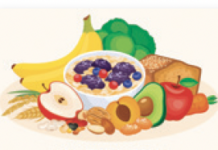
How it benefits your health: Consuming a more plant-based diet is associated with lower risk of high cholesterol, type 2 diabetes, high blood pressure, obesity, and metabolic syndrome (a cluster of conditions that occur together, increasing risks of heart disease, stroke, and type 2 diabetes). “Choosing plenty of whole grains, fruits, and vegetables, with lower amounts of red meat, helps protect us from chronic diseases while helping limit the greenhouse gases that contribute to global warming,” says Wilde.
2. Choose other proteins over beef. Producing beef creates far more greenhouse gas emissions than any other protein source, and only lamb surpasses beef in land used per gram of protein produced. Of animal proteins, milk and eggs are the most environmentally friendly, followed by poultry and then pork. While different kinds of fish and shellfish have different environmental impacts, seafood is, on the whole, better for the environment than beef.
How it benefits your health: High consumption of red meat (beef, lamb, and pork) has been associated with higher risk of heart disease, colorectal, breast, and prostate cancers, and possibly type 2 diabetes. Processed meats, including bacon, sausage, hot dogs, jerky, and deli meats, are associated with the highest health risks. (While pork production has a much lower environmental impact than beef, it is still not the best choice for health. Plant-based meat alternatives vary in their health and environmental impacts.) Low-fat and fat-free dairy are heart-healthy protein options with a low environmental footprint. (Overall, plant-based milk alternatives are even better for the planet, but only soy and pea-based milks provide protein similar to cow’s milk.) Eating seafood two or three times a week is recommended based on research showing health benefits–especially if it is eaten in place of red meat.
3. Avoid overeating. Eating less creates less draw on the environment to grow, process, and transport your food. If you carry extra body weight, cut portions and/or eat less frequently.
How it benefits your health: Overeating is a major contributor to overweight and obesity, which in turn are major contributors to all the major health problems, healthcare costs, and diminished quality of life in the U.S.
4. Plan your meals. One-third or more of food is thrown away in U.S. wasting all of the natural resources used to produce the food (as well as your money). Additionally, food rotting in landfills contributes to greenhouse gas emissions. If you plan your major meals and snacks ahead of time (including thinking about how you will re-use leftovers), you can more accurately estimate what you’ll need, thereby reducing food waste.
How it benefits your health: It’s hard to make healthy choices if they’re not available. Planning ahead ensures you have the ingredients on hand for the healthy meals you enjoy. “As a food economist, I can’t help noticing that these food-related choices, such as reducing waste and choosing plant foods over animal foods, also help keep food affordable,” says Wilde, “which is helpful in turbulent economic times.”
5. Carry a reusable water bottle. An estimated 50 billion plastic water bottles are used annually in the U.S. Most plastics do not readily biodegrade and instead break down into microplastics that can persist in the environment for centuries. Plastics pollute ecosystems, harm wildlife, contribute to climate change, and release toxic chemicals that emerging research suggests may contribute to reproductive problems and cancer. Their potential role in other health problems is now being studied.
How it benefits your health: Using a reusable water bottle makes sure you always have a healthy beverage choice on hand when you get thirsty and reduces your exposure to chemicals that can leach out of plastic bottles into your beverage.
6. Try locally grown food. Buying food grown as locally as possible (when it’s in season) cuts back on the air pollution created by shipping the food to your area. While it is of course necessary to buy imported produce and take advantage of frozen options if local foods are not available, buying seasonal foods grown as locally as possible is a positive step. (Note that data show what you eat is more important than where it comes from when looking at the whole picture of environmental impact.)
How it benefits your health: Loneliness and lack of social connection are emerging as important determinants of health and healthy aging. Visiting a local farmer’s market, farm stand, or community garden, if they exist in your area, gets you out into your community, seeing neighbors and connecting with food providers. It also gets your body moving!
7. Prepare food at home. Food packaging makes up around 30 percent of the total waste generated in the U.S. While many ingredients you buy to cook at home come in packages, you are still likely to use more single-use packaging eating prepared foods.
How it benefits your health: Packaged foods are more likely to be ultraprocessed (although not all are). Ultraprocessed foods, as well as foods prepared in restaurants and supermarkets, are often high in sodium, added sugars, and/or saturated fat. Dietary patterns that limit these foods are associated with better health.
8. Walk or bike. Driving a gas or diesel car contributes to air pollution, greenhouse gas emissions, noise pollution, and release of particulate matter and smog-forming particles into the air. When you’re ready to replace your car, consider a hybrid or electric model.
How it benefits your health: When you don’t have far to go, walking or biking is a great way to get physical activity. Research shows that spending less time being sedentary (sitting or lying down) is associated with lower risk for metabolic syndrome. Electric or hybrid vehicles expose you and your community to less toxic fumes.
• Prioritize plants. Focus on plant proteins over animal proteins (especially beef), including cheese. Soy, beans, and lentils have the most protein, but nuts, seeds, and whole grains provide some as well.
• Include seafood. Different kinds of fish and shellfish have different environmental impacts, but seafood is better for the environment than beef, and it’s better for your health.
• Cook at home. Reduce food packaging waste and high sodium intake at the same time. • Reduce waste. Plan meals so you buy only what you need, repurpose leftovers, and replace plastic water bottles with a reusable bottle.
• Be active. Walking, biking, and volunteering in neighborhood cleanups are good for the environment and provide physical and mental activity and social engagement, which are important to health.
9. Cut back on cheese. Because it takes 10 pounds of milk to make one pound of cheese, cheese has a bigger impact on the environment than milk. Dairy farming contributes to the nutrient runoff that causes overgrowth of algae in waterways which impacts water quality and kills aquatic animals through a cascade of events called eutrophication. Additionally, after nuts, producing cheese uses more water than any other food (even fish farming). The environmental impact of this change is smaller than most of the others listed here, but the potential health impact makes it worth considering.
How it benefits your health: While dairy is a major contributor of calcium to the American diet, full fat cheeses are high in saturated fat, and many are high in sodium. Replacing some cheese in your diet with plant foods would replace saturated fatty acids with unsaturated and cut down on sodium intake, both of which are known be smart choices for cardiovascular health. So, try hummus and crackers instead of cheese and crackers, and load those nachos up with black beans and salsa and some guacamole with just a sprinkle of shredded cheese. (The environmental and health impact of plant-based cheese alternatives varies depending on ingredients.)
10. Volunteer for the environment. Participating in local environmental initiatives can make a direct impact on the environment in your community. For example, clean-up events remove pollutants (and beautify the neighborhood) and habitat restoration and reforestation efforts protect and preserve natural habitats.
How it benefits your health: Efforts like these improve the healthfulness of your local environment and get you out, moving, and socializing.
These are just some of the many ways you can benefit your health along with the health of the planet. If any of these choices resonate with you, set some goals to begin shifting your behavior. Whether you work toward these goals for your own health, the health of future generations, the well-being of animals, or the health of the planet, know that each step you take has a real impact.