


















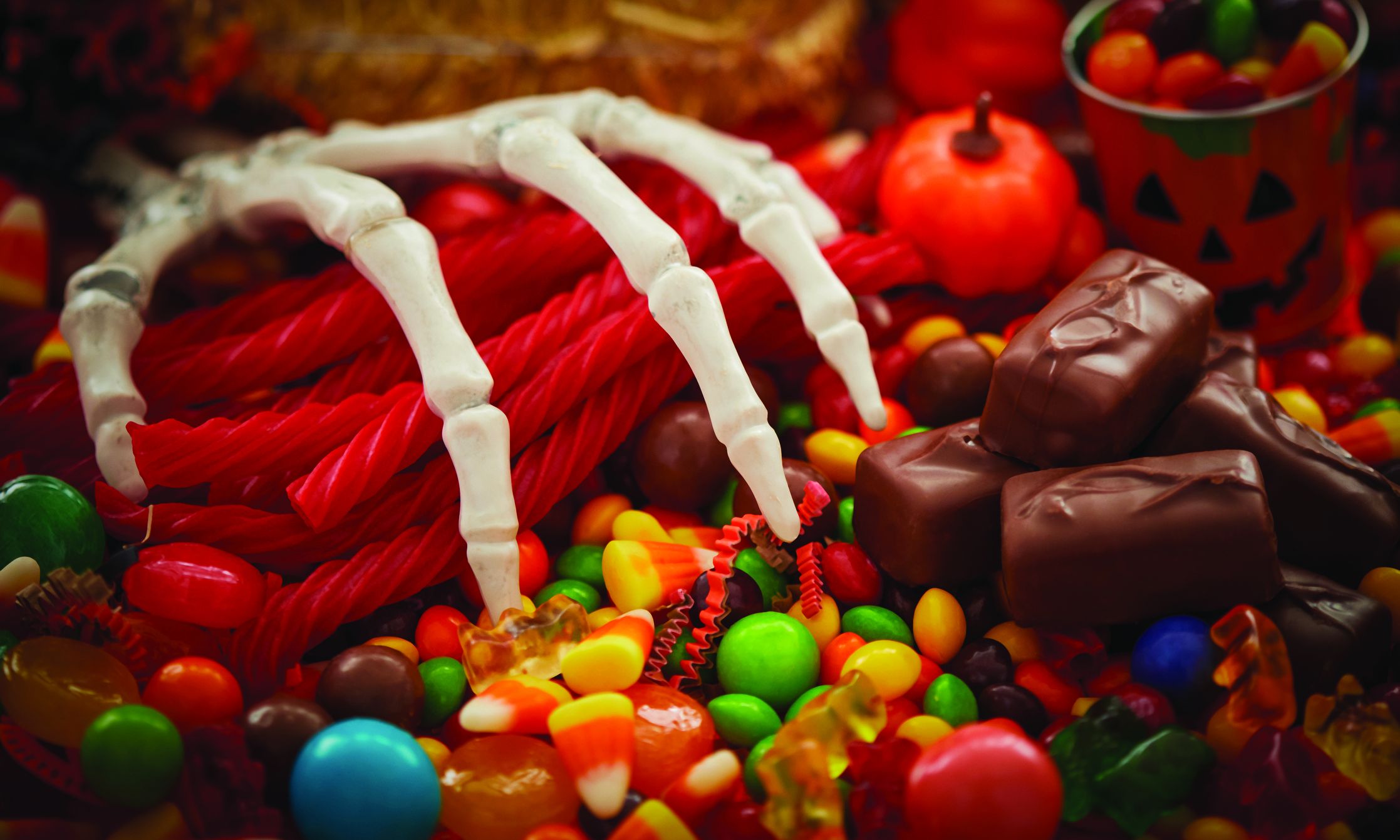
It’s that time of year again—pumpkins on porches, costumes in store windows, and giant bags of candy stacked high on supermarket shelves. Halloween may be a beloved tradition, but, for many adults, it comes with a dose of candy-induced guilt.
It is estimated that Americans spent a staggering $3.5 billion on Halloween candy in 2024. If you’re among the 58 percent of households handing out treats or the 31 percent accompanying a trick-or-treater, chances are you’ve already felt the pull between celebrating the season and managing the sugar-overload aftermath.
To help you navigate the candy abundance—whether you’re managing a child’s stash, a pile of undistributed treats, or your own sweet tooth—we’ve broken down tips for a healthier Halloween.
Candy Can’t. First, a reminder: candy tastes good, but it’s made up almost entirely of added sugars while lacking nutrients like fiber, vitamins, and minerals.
Consistently consuming excess added sugars has been linked to a range of chronic health problems, including weight gain, heart disease, type 2 diabetes, and liver disease. It has also been associated with inflammation, disrupted blood sugar levels, and increased risk of tooth decay.
Choose Wisely. The best way to avoid the temptation of Halloween candy? Don’t bring it into your home in the first place. That may sound extreme, but it’s easier than you think.
➧ Hand out non-candy treats. Fun-size Play-Doh, glow sticks, stickers, temporary tattoos, and even Halloween pencils or erasers can be a hit with kids—and a relief to parents. If you want to stick with edible options, snack-sized pretzels or popcorn can feel festive without the sugar bomb.
➧ Avoid buying your favorite candy. If you know you can’t resist peanut butter cups, don’t buy them. Choose something you don’t love—or at least something you can take or leave.
➧ Rethink how much you’re buying. It’s easy to grab extra bags “just in case.” Instead, carefully consider how much you needed the previous year. (Excess non-food treats can usually be saved for the following year.) When you run out, turn off the lights—that’s the universal Halloween signal that your house is done for the night.
➧ SKIP THE CANDY. Choose non-candy treats.
➧ BUY WELL. Use information from past years to determine how much you really need.
➧ SET A DEADLINE. Decide in advance how long extra candy will stay in the house before you toss or donate it.
➧ PAIR WITH HEALTHY HABITS. Focus on healthy eating habits in general and see candy as a treat, not a daily requirement.
➧ Set an expiration date. Keep the candy in the house for a period of time—three days, one week, whatever works for your household—and then toss or donate what’s left. Giving candy an “end date” helps you (and your kids) see it as a treat, not an unlimited supply.
➧ Institute the “one treat a day” rule. Combining this serving limitation with an expiration date really helps avoid overdoing it.
➧ Encourage sorting based on preference. To avoid regrets, separate “my favorites” from “just okay” treats. Focus on choosing from the “my favorites” group until the expiration date arrives.
➧ Investigate buyback options. Some local dentists and health centers offer buyback programs where kids can exchange candy for prizes or cash. It’s a fun way to limit overindulgence—and promote oral health, too.
➧ Donate it. Some organizations accept candy donations for distribution to service members overseas or other worthy causes. (See “Resources” for more information.)
➧ Out of sight, out of mind. Rather than leaving a bowl of candy on the counter, keep it in a cupboard where you’re less likely to see it and make impulsive decisions.
➧ Be Prepared to Resist. Communal areas such as offices and community centers often become candy drop zones in early November, as people unload their household leftovers. If you’re trying to avoid temptation, avoid these areas. Having a satisfying, healthy option at your desk can also help you resist sugary grabs.
Indulge Mindfully. No one is saying you can’t have candy. The key is being intentional about how and when you indulge.
➧ Plan ahead. If you know you’ll want a treat in the mid-afternoon or evening, make sure the rest of your day includes healthful choices such as vegetables, fruit, whole grains, lean proteins, and healthy fats. A well-balanced day makes a sweet treat more manageable.
➧ Move your body. Getting some physical activity—whether it’s a walk, bike ride, or a quick workout—is good for your body any time (but don’t reward this “good behavior” with a candy treat!). Some people find getting their pulse-rate up reduces hunger later in the day.
➧ Know your numbers. Many people don’t realize just how much sugar is packed into even “fun-size” candies. For context, one “fun size” (small) Milky Way or Three Musketeers bar contains about 9.5 grams (over two teaspoons) of added sugars. This is more than one-third of the six teaspoon daily maximum intake recommended by the American Heart Association for women and children, and almost a quarter of the nine-teaspoon recommended maximum for men. The sugar in a few pieces of candy can add up fast.
➧ Use candy as a treat—not a given. Like any sweet, candy is a treat to be enjoyed sparingly, not a required ending to a meal or a right. Avoid using candy as a reward for good behavior (yours or your child or grandchild’s). On the other hand, be flexible about treats during special times like a birthday or a night out. Don’t make a big deal about it and get back to the usual routine the day after.
By approaching Halloween with foresight and balance, you and your family can enjoy the festivities while minimizing overindulgence on excess sugars. Thoughtful choices around purchasing, portioning, and consumption not only support better health but also help reinforce lifelong habits of moderation and mindfulness. With intentional planning, you can savor the holiday largesse without letting sugar steal the spotlight.