
















Survey: Were Smart on Sugar, But Not on Calories and Weight
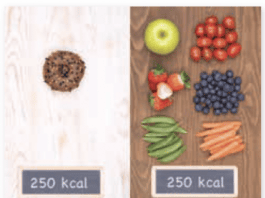
Americans seem to have gotten the message about avoiding added sugars,

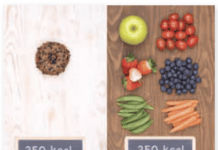
Is There Such a Thing as a Healthy Snack?
With snacks now adding up to a fourth daily "meal," are you making healthy choices? Heres help for smarter snacking.

Dark Chocolate: A Valentine for Your Health
How to enjoy chocolates health benefits without overdoing it.
Legumes Improve Heart Risk, Glycemic Control
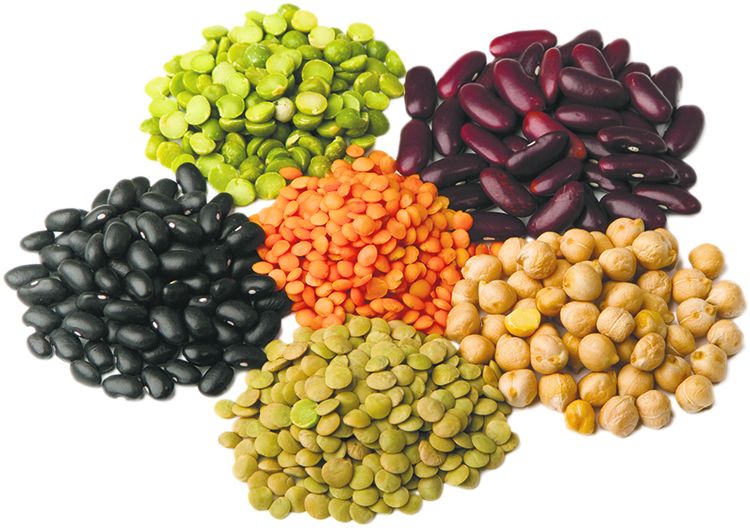
A new study suggests that legumes could also lower cardiovascular risk by reducing blood pressure, along with improving glycemic control.
FDA Proposes Sweeping Food-Safety Reforms
The US Food and Drug Administra-tion has finally unveiled proposed new food-safety regulations aimed at reducing the estimated 3,000 deaths annually from foodborne illnesses.
Fruit First for Snacking
When Americans reach for a snack, its most likely to be fruit-though its a close call over more caloric choices.
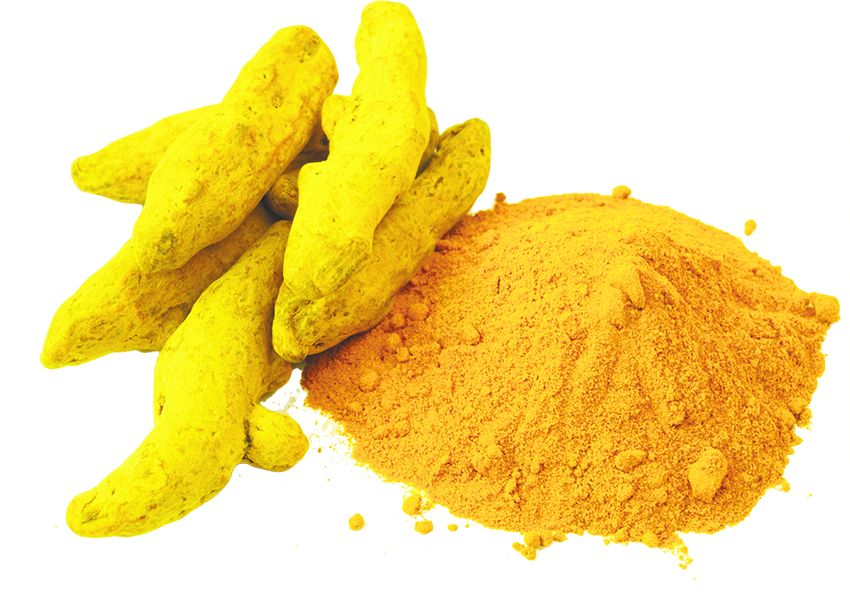
Pigment in Turmeric Boosts Blood-Vessel Activity
Effect of curcumin on vascular activity equals that of exercise.
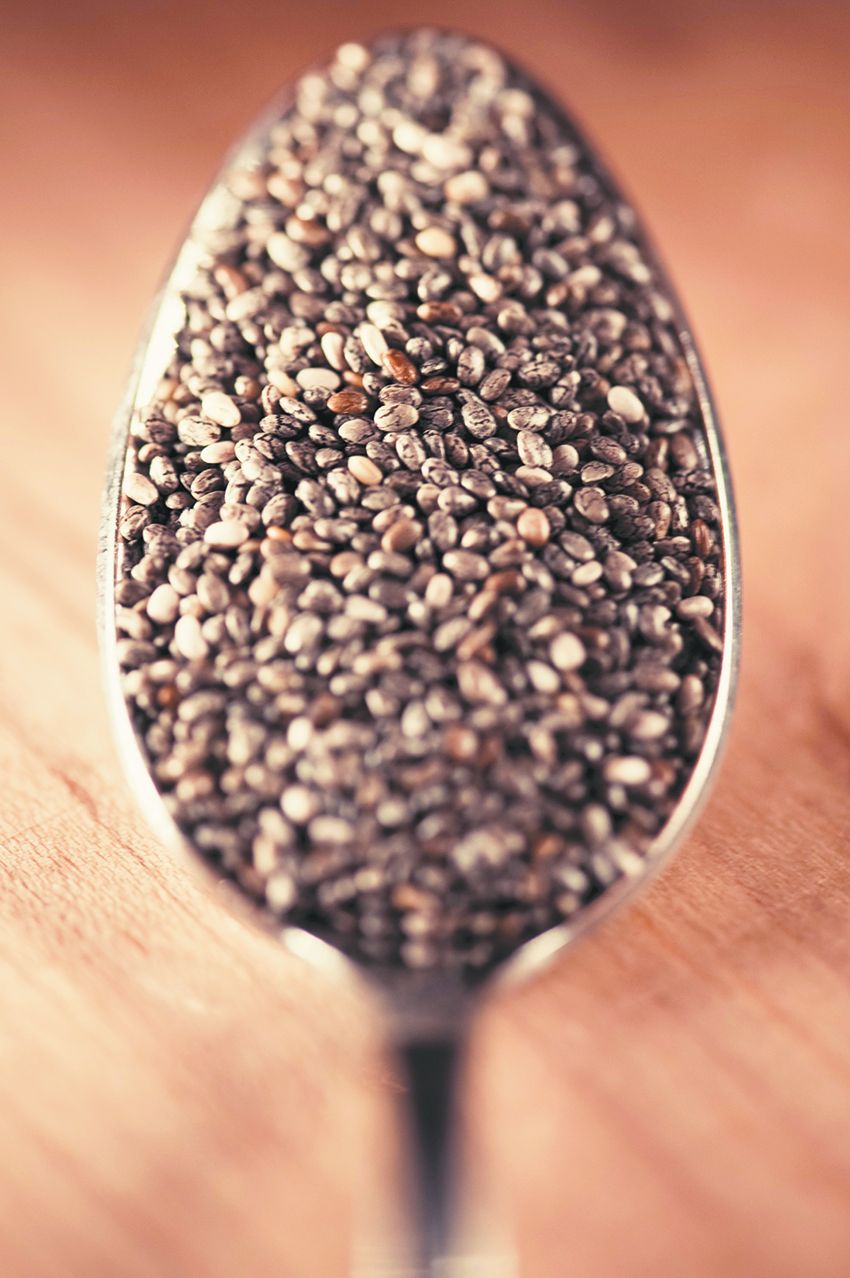
Should You Jump on the Chia Seeds Bandwagon?
What exactly are chia seeds? They come from a plant in the mint family (Salvia hispanica L.) cultivated in Central and South America; the seeds were once a major food source for people in Mexico and Guatemala. In health-food stores and high-end supermarkets, youll find two varieties of chia seeds - creamy white and gray-black - which can be used interchangeably. Brown chia seeds are not fully mature.
What You Need to Know Now About Multivitamins
Making sense of multivitamins cancer-prevention promise, heart-disease disappointment in recent findings.
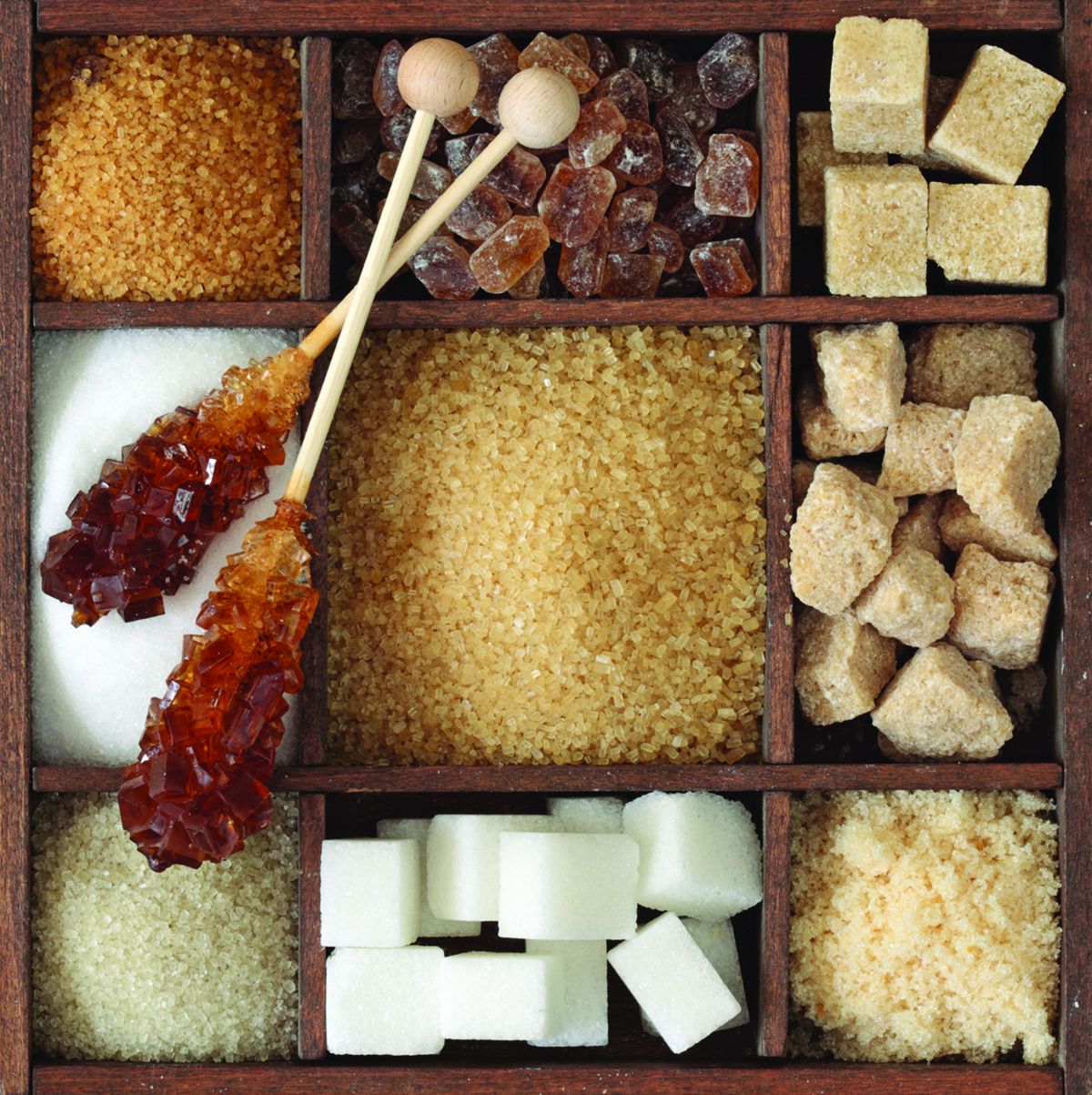
High-Carbohydrate Diets Connected to Cognitive Risk
Consuming too many carbohydrates could be bad for your brain, according to recent research linking high carbohydrate intake to greater risk of mild cognitive impairment.