






















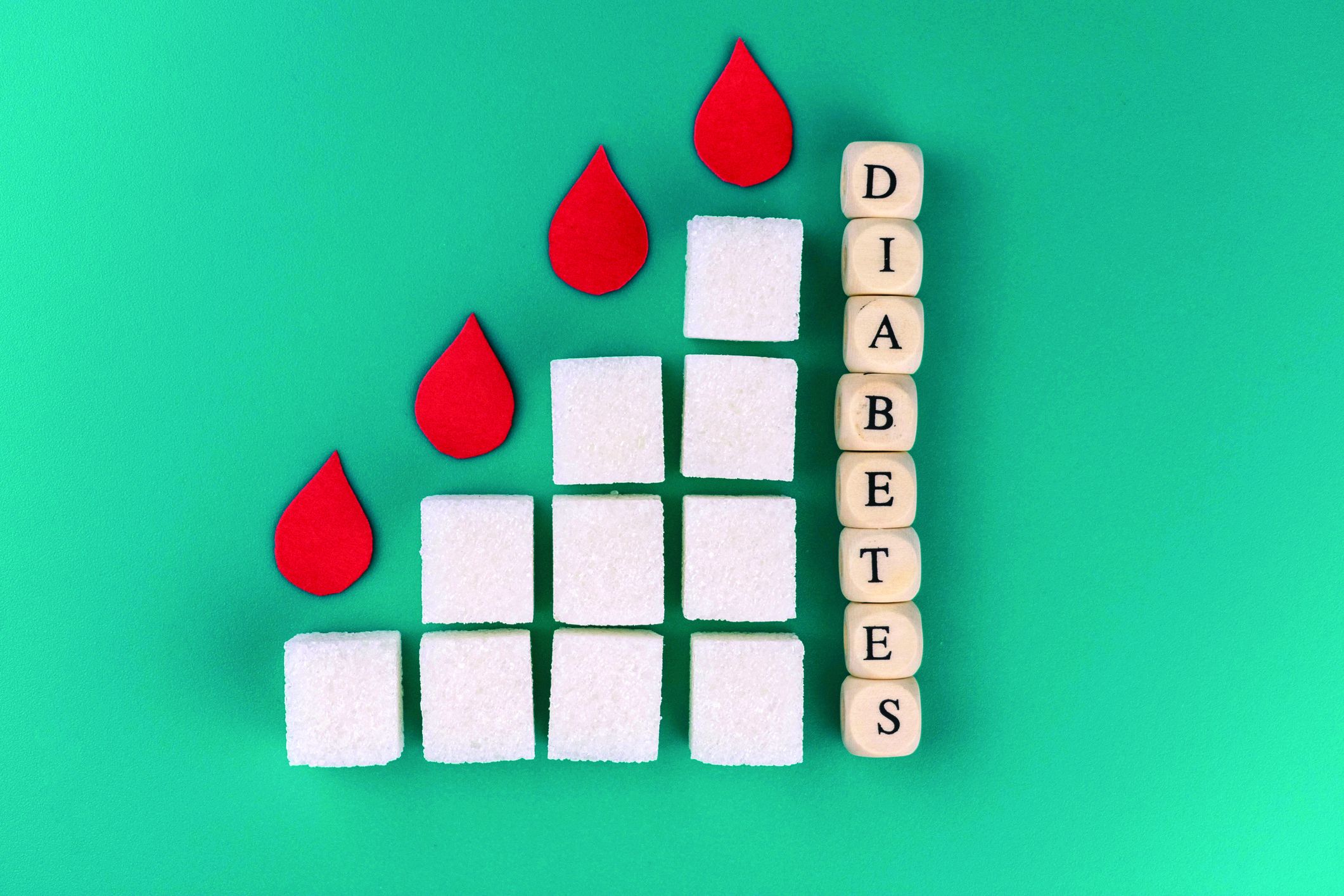
Diabetes affects over 38 million people in the United States, and another 97.6 million people aged 18 years or older (38 percent of the adult U.S. population) have prediabetes. Here, we will take a closer look at the types of diabetes, what causes them, and the ways they can be prevented or managed.
Diabetes 101. Diabetes mellitus is a chronic disease that affects the way the body turns food into energy. During digestion, the carbohydrates you eat are broken down into a sugar called glucose which is used for energy production or stored for quick use when needed. As glucose enters the bloodstream, the hormone insulin moves it into the cells to start these processes.

There are several factors that can impact the way the body makes, releases, or reacts to insulin. While all types of diabetes result in high levels of glucose in the blood (high blood sugar), doctors and scientists classify them into types based on the mechanism causing the problem.
Type 1 Diabetes. Formerly referred to as “juvenile onset diabetes,” type 1 diabetes is an autoimmune disorder in which the immune system attacks insulin-producing cells in the pancreas, greatly reducing or eliminating their ability to make insulin. It has a genetic component “switched on” by as-yet-unknown environmental factors. Type 1 diabetes can appear at any age but typically presents itself early in life. Of all those affected by diabetes, only about 6 percent have type 1.
“We don’t know how to prevent or reverse type 1 diabetes at this time,” says Richard Siegel, MD, an endocrinologist and co-director of the Diabetes and Lipid Center at Tufts Medical Center. Since the pancreas does not make insulin, people with type 1 diabetes typically keep track of their carbohydrate intake and inject the right amount of insulin to balance out the carbs. They can also prick a finger to get a drop of blood for a monitor that measures blood sugar levels and then calculate the amount of insulin needed to lower those levels to normal. The impact of different foods and amounts of injected insulin vary from person to person, so management is highly individualized. Access is increasing to continuous glucose monitors that keep track of the person’s blood sugar levels and insulin pumps that automatically release insulin into their bloodstream as necessary.
Administering too much insulin can result in low blood sugar (hypoglycemia). This can be dangerous if not treated right away by giving the person a simple carbohydrate, such as table sugar or glucose gel, to quickly raise blood sugar to normal levels.
Over time, high blood sugar can damage blood vessels and nerves, leading to complications like heart disease, kidney disease, nerve damage (neuropathy), eye problems that can lead to blindness, and foot infections that can require amputation. Left untreated, type 1 diabetes can lead to a life-threatening complication called diabetes-related ketoacidosis.
Type 2 Diabetes. The most common type of diabetes—type 2 diabetes—accounts for over 90 percent of all cases. It is typically diagnosed in adults, but diagnoses in children and adolescents are increasing. Type 2 diabetes is caused by insulin resistance, a condition in which the cells do not respond properly to insulin, so glucose cannot get in. Insulin resistance leads to higher-than-normal levels of glucose in the blood (hyperglycemia) and often gets worse over time. As it progresses, average blood glucose levels start to rise. Physical inactivity, overweight or obesity (particularly abdominal obesity), and family history are common factors associated with the development of insulin resistance.
There are things that can be done to help prevent or delay the onset of type 2 diabetes. Dietary and lifestyle choices are key. “Overall,” says Siegel, “we know that Western-style diets may increase risk for the development of type 2 diabetes over time.” A healthy dietary pattern can help prevent (and manage) type 2 diabetes. The American Diabetes Association recommends making non-starchy vegetables the foundation of the plate, with plant-based sources of protein and lean animal proteins and high-quality carbohydrates like beans, legumes, fruits, and whole grains. Replace unhealthy fats with healthy fats (see page 1), choose water and other unsweetened beverages instead of sweet drinks, and decrease intake of processed foods and those high in added sugars and sodium.
“While it’s a myth that sugar causes diabetes,” says Siegel, “large amounts of added sugars in the diet can be a contributing factor. Carbohydrates are not the enemy, but we need to think about the quality of carbohydrates. High-quality carbs have fiber, which slows down the absorption of carbohydrates, thereby slowing blood sugar rise. Fiber also acts as a prebiotic, feeding the beneficial microbes in our gut. An unhealthy gut microbiome population may play some role in the development of all types of diabetes.”
Replacing some or all red meat with plant sources of protein (beans, peas, lentils, and soy products) along with low-fat or fat-free dairy, fish, seafood, and some eggs and poultry may also be beneficial. Research suggests an association between higher intake of heme iron (found in animal proteins) and higher risk of developing type 2 diabetes. This same association has not been found for the consumption of non-heme iron (found in plant-based foods). Other studies found that regularly eating yogurt in moderation is associated with lower risk of developing type 2 diabetes, and the U.S. Food and Drug Administration now allows yogurt packaging to state, “eating yogurt regularly, at least 2 cups (3 servings) per week, may reduce the risk of type 2 diabetes according to limited scientific evidence.” (Just make sure it is low-fat or fat-free yogurt, and limit or avoid added sugars.)
Regular physical activity is also associated with lower risk of developing type 2 diabetes. This does not have to mean hours in the gym. Even a 30-minute walk each day may be beneficial.
The high blood sugar levels in uncontrolled diabetes can damage the body’s circulatory system, increasing risk for the buildup of plaque in the arteries called atherosclerosis. Additionally, insulin resistance is associated with high levels of triglycerides (see page 1 for more information) and low levels of HDL (“good”) cholesterol in the blood. All of these factors raise the risk of heart attack and stroke.
If you have been diagnosed with type 2 diabetes, take any medications as prescribed. Shedding some excess body weight is helpful for management, as are the same lifestyle changes recommended for prevention: a healthy dietary pattern and regular physical activity. “For type 2 diabetes, there may be more of a likelihood of reversing or slowing down that process through changes in diet and physical activity, while for type 1 that is not as clear,” says Siegel. “When people have a good support system and receive good education, especially on the topic of lifestyle changes, that can go a long way.”
Prediabetes. Fasting blood sugar levels higher than the normal range, but lower than levels that indicate type 2 diabetes, are considered prediabetes. This diagnosis gives you time to address the problem—usually with lifestyle modification—before the condition progresses, effectively delaying or preventing the development of type 2 diabetes.
Gestational Diabetes. This form of diabetes affects some pregnant women. Hormones secreted by the placenta can interfere with the way the mother’s body uses insulin, ultimately leading to insulin resistance and high blood sugar levels. Obesity and overweight, a family history of diabetes, or having previously had gestational diabetes are associated with increased risk. Catching it early with standard prenatal screening and developing a treatment plan are key to preventing health issues for both mother and child.
Other Types. Type 5 diabetes is a recently-recognized form that is linked to malnutrition. Researchers have identified this relatively rare condition in underweight young men in low-income countries. Because it has features that make it distinct from types 1 and 2, the International Diabetes Federation formally classified it as a separate category on April 8, 2025, and launched a working group to develop diagnostic criteria and treatment guidelines.

All types of diabetes result in high levels of glucose in the blood, but the mechanisms and treatment may differ.
There are also other rare types of diabetes caused by genetic variations, disorders that block the release of insulin from the pancreas (such as cystic fibrosis), or drug- or chemical-induced diabetes.
“Type 3” and “type 4” diabetes mainly refer to conditions hypothesized to involve the activity of insulin in the brain. Neither of these are formally recognized by medical professionals or any major health organizations, and these hypotheses are not backed up by any solid research.
➧ Be Proactive. Make smart lifestyle choices, such as following a healthy dietary pattern and getting regular physical activity.
➧ Role model. Make healthy lifestyle behaviors a family affair, involving kids from an early age.
➧ Get Support. If you are diagnosed with prediabetes or diabetes, identify people who will support the lifestyle changes you want to make, and take medications as directed.
Summing it Up. Whether or not you have prediabetes or any form of diabetes, focus on consuming a healthy dietary pattern and being physically active. Healthy lifestyle choices like this are the best form of prevention and an important part of management of this disorder. And, as Siegel points out, “the benefits of nutrition and physical activity go well beyond diabetes prevention.”