















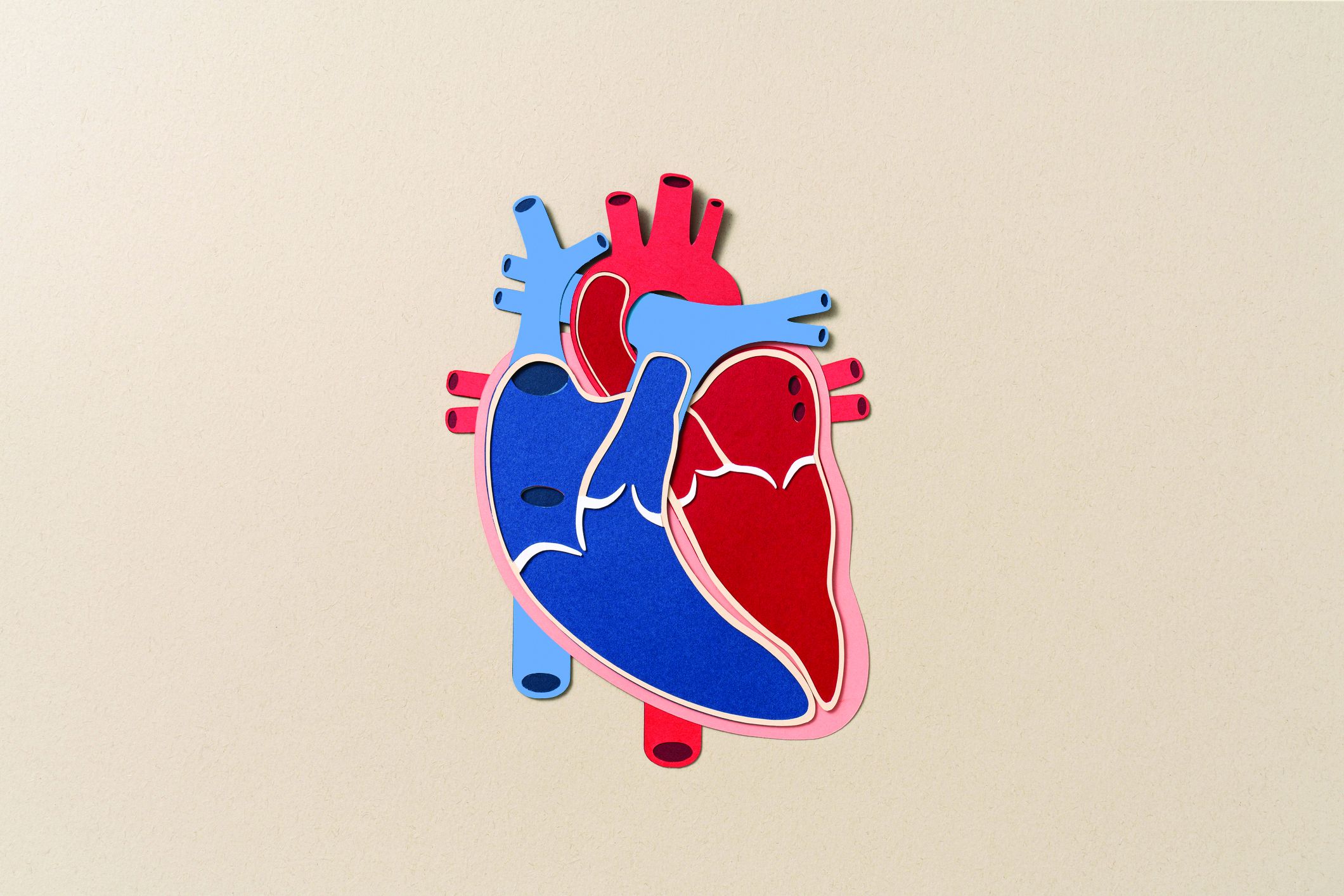
Cardiovascular disease—including heart attack and stroke—is the leading cause of death worldwide. In the United States alone, one person dies from cardiovascular disease every 33 seconds. How much do you know about this common condition and how to prevent it? Test your knowledge with this quiz!
The answer key and detailed explanations can be found on page 7. Give yourself one point for each correct answer, then look at the box on this page to see what your score says about your cardiovascular disease knowledge.
1. Cardiovascular disease increases risk for:
a. Heart attack, stroke, and heart failure
b. Kidney problems
c. Dementia
d. Sudden cardiac arrest
e. All of the above
2. All of the following increase risk for cardiovascular disease EXCEPT:
a. High blood pressure
b. Intense physical activity
c. Tobacco exposure and excessive alcohol use
d. Regularly getting less than seven hours of quality sleep
e. High blood triglyceride levels (175 mg/dL or higher)
3. Which of the following is NOT something healthcare professionals measure to evaluate cardiovascular disease risk?
a. Blood pressure
b. Triglyceride levels
c. LDL cholesterol levels
d. Blood oxygen saturation levels
e. Body weight or BMI
4. The biggest culprit in cardiovascular disease is atherosclerosis. All of the following contribute to the development of this build-up of cholesterol-laden plaque in the arteries EXCEPT:
a. Diabetes
b. High HDL cholesterol
c. High LDL cholesterol
d. Obesity
e. High blood pressure (hypertension)
5. Atherosclerosis DOES NOT increase risk for:
a. Angina (chest pain caused by inadequate blood flow to the heart)
b. High blood pressure
c. Type 2 diabetes
d. Dementia
e. Stroke (ischemic)
6. Which dietary factor is MOST STRONGLY associated with increased risk for cardiovascular disease?
a. Saturated fat intake
b. Dietary cholesterol intake
c. Low vegetable intake
d. Consumption of seed oils
e. Drinking red wine
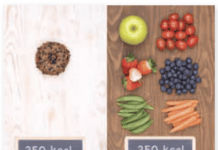
7. Eating vegetables and fruits (especially in place of less healthy options) is one part of the strategy for:
a. Controlling blood pressure
b. Losing weight
c. Lowering risk for heart attack and stroke
d. Lowering risk for dementia
e. All of the above
8. Which of the following typically has/have no symptoms?
a. High blood pressure (hypertension)
b. High cholesterol levels (hyper-
cholesterolemia)
c. Low blood sugar (hypoglycemia)
d. A and B
e. All of the above
9. Which of the following can be a sign of a stroke?
a. Drooping on one side of the face
b. Speech difficulty
c. Arm or leg weakness
d. Blurred vision
e. All of the above
10. What do heart attack and ischemic stroke have in common?
a. Both are caused by blocked blood vessels
b. High blood pressure increases risk for both
c. Atherosclerosis (a buildup of plaque that narrows arteries) is the most common contributing factor
d. Smoking increases risk
e. All of the above
11. In addition to taking medications as prescribed, strategies for managing high blood pressure include all of the following EXCEPT:
a. Reducing sodium intake
b. Increasing intake of saturated fats
c. Losing excess body fat
d. Monitoring blood pressure levels at home (with a validated meter)
e. Being physically active
12. The BEST way to help lower blood pressure with diet is:
a. Increase intake of salty foods
b. Decrease intake of sodium
c. Increase intake of foods naturally high in potassium, like vegetables and fruits
d. B and C
e. Switch from refined grains to whole grains
7–9 HEART LOVER. Great job! You have a strong base of knowledge to help keep your heart and blood vessels healthy. Keep it up!
4–6 FEELING THE BEAT. You’ve been paying attention! Keep reading this newsletter to increase your knowledge and learn how to make the best choices for your cardiovascular health.
1–3 MOTIVATED BEGINNER. Your interest in learning about cardiovascular health will serve you well! We are happy to provide you with more information to help you maintain your health.
Quiz Answers
Check out the answers below:
7. (e) All of the above. “Cardiovascular disease” refers to all conditions of the heart and vascular system (veins and arteries). It increases risk for heart attack, stroke, heart failure, kidney disease, vascular dementia, and sudden cardiac arrest, as well as aortic aneurysm, heart valve disorders, and irregular heart beat.
8. (b) Intense physical activity. Intense physical activity can increase risk for a heart attack but lack of physical activity is associated with cardiovascular disease. High blood pressure, tobacco exposure, excessive alcohol use, chronic sleep deprivation, and high blood triglyceride levels all increase risk for cardiovascular disease.
9. (d) Blood oxygen saturation levels. The amount of oxygen in the blood is not measured to assess cardiovascular disease risk. Have blood pressure, blood triglyceride and cholesterol levels, and body weight checked routinely by a healthcare professional.
10. (b) High HDL cholesterol. High-density lipoprotein (HDL) cholesterol, also known as “good” cholesterol, transports excess cholesterol to the liver for processing and removal. High HDL cholesterol levels are considered protective against atherosclerosis and cardiovascular disease.
11. (c) Type 2 diabetes. Uncontrolled diabetes increases risk for atherosclerosis, but atherosclerosis does not increase risk for diabetes. Atherosclerosis can, however, lead to angina, vascular dementia, and ischemic stroke (a blocked blood vessel in the brain), and it stiffens the blood vessels, increasing blood pressure.
12. (a) Saturated fat intake. High dietary intake of saturated fatty acids can raise LDL (“bad”) cholesterol levels, which contributes to atherosclerosis and cardiovascular disease. Typical dietary cholesterol intake is no longer considered a major contributor to risk for most people. Vegetables provide important nutrients that may support heart health, but low intake is not a major risk factor. Seed oils contain heart-healthy unsaturated fatty acids. Red wine (in moderation) may or may not be protective.
13. (e) All of the above. Vegetables and fruits are part of a healthy dietary pattern associated with lower risk for cardiovascular disease. Also focus on getting more whole grains, beans, lentils, low-fat and fat-free dairy, non-tropical plant oils, and lean animal proteins, along with less animal fats, sodium, and added sugars.
14. (d) A and B. High blood pressure and high LDL cholesterol levels increase risk for cardiovascular disease, but they have no symptoms. Regular checkups and blood tests are essential to protecting your cardiovascular health.
15. (e) All of the above. Think FAST (“Face drooping, Arm weakness, Speech difficulty, Time to call 911”) and get help quickly if you suspect you or someone else are experiencing a stroke.
16. (e) All of the above. Atherosclerosis narrows blood vessels, increasing risk they may get blocked and cause a heart attack or ischemic stroke. High blood pressure and smoking increase risk for atherosclerosis.
17. (b) Increasing intake of saturated fats. High saturated fat intake relative to unsaturated fat is associated with higher risk for atherosclerosis, which can increase blood pressure. In addition to taking medications as prescribed, cutting back on sodium intake, losing excess body fat, being physically activity, and routinely monitoring blood pressure are all important ways to control high blood pressure and lower risk for heart attack, stroke, and other cardiometabolic problems.
18. (d) B and C. Cutting back on sodium (salt) can help lower blood pressure, but increasing intake of potassium and magnesium (which are involved in blood pressure control) by eating more vegetables and fruits is important, too. Whole grains are a better choice than refined grains for cardiovascular and overall health, but not the most important factor listed.