














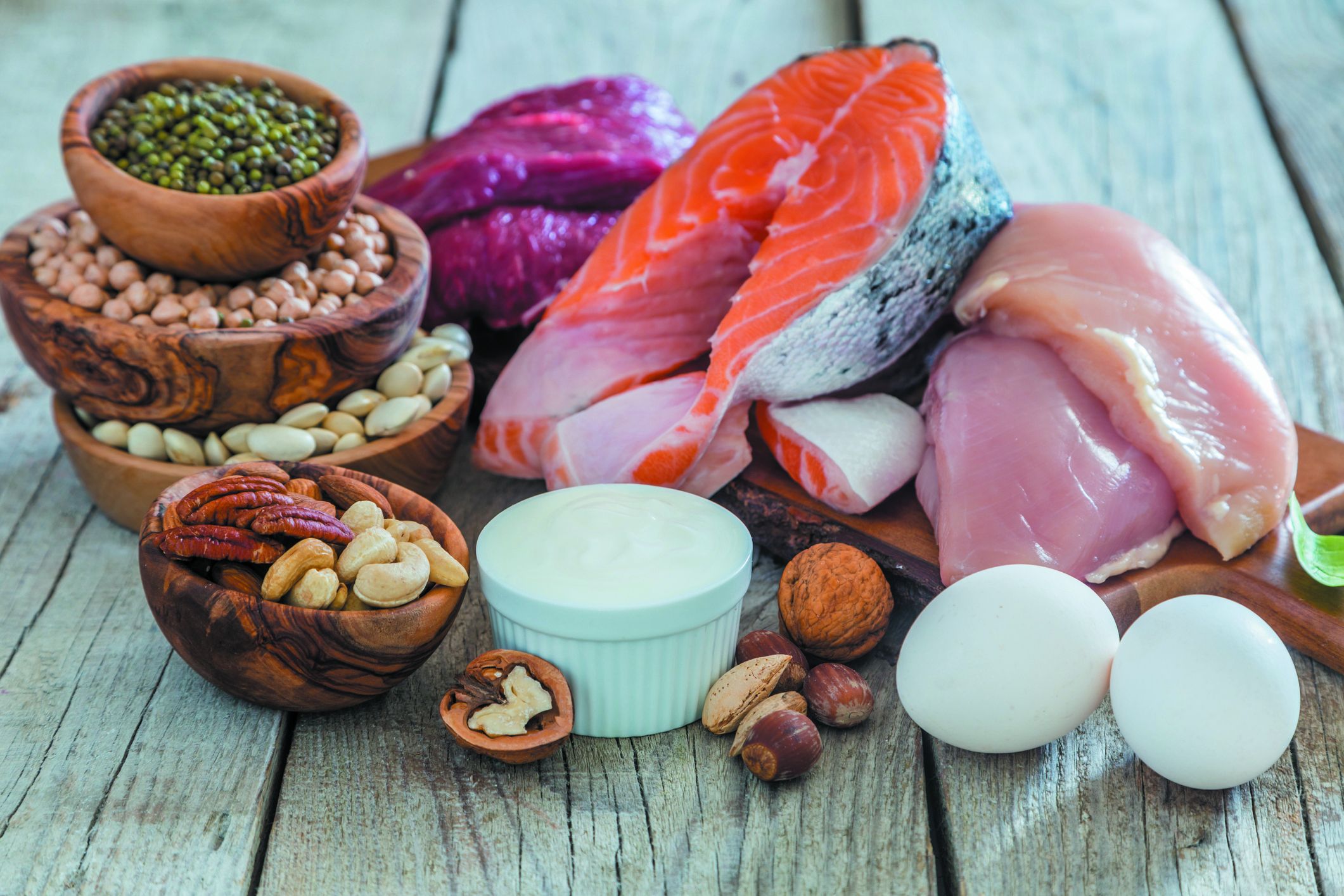
Around 60 percent of adults in the U.S. report they are trying to eat more protein. But do they really need to?
By the Numbers. The actual amount of dietary protein you need depends on a number of factors, including your size, age, sex, activity level, and health status. The Recommended Dietary Allowance (RDA) for protein in the U.S. is 0.8 grams per kilogram of body weight per day (g/kg/d) (0.36 grams per pound). Some research suggests adults who are physically active may benefit from more—up to 1.1 g/kg/d. It may surprise you to learn that most Americans already meet or exceed the recommended protein intake. It is estimated the vast majority of U.S. adults eat somewhere around 1.0 to 1.5 g/kg/d.
Protein Benefits. Proteins are built from a mixture of 20 amino acids, some of which are essential, meaning our bodies can’t make them so we need to get from food. Protein plays many important roles in the body, but it may be best known as the building block of muscle. “Just increasing protein intake does not build muscle, but protein may help increase muscle strength when combined with a program of regular muscle-building activity,” says Roger A. Fielding, PhD, who studies age-related muscle loss at the Human Nutrition Research Center on Aging (HNRCA). “Additionally, if an older adult is not getting enough protein, the natural muscle loss that comes with aging may be accelerated.” Fielding also recommends people on a low-calorie diet make sure they are getting enough protein to avoid losing muscle along with fat.
More is Not Always Better. There are some health concerns associated with very high protein intake.
➧ Kidney function: Protein influences how hard the kidneys work. While current data seem to indicate healthy kidneys can handle protein intake above the required amount, people with reduced kidney function should stick to the recommended 0.8 g/kg/d to minimize any excess burden on the kidneys.
➧ Bone Health: “High intake of protein combined with low intake of fruits and vegetables
➧ Calculate It. Multiply your weight in pounds by 0.36. This is the amount of protein the average adult needs in a day. You can use charts like the one in this article and Nutrition Facts labels on packaged foods to check your intake on a couple of typical days.
➧ Keep it Natural. Aim to get most of your protein from natural sources, as opposed to added protein and protein powders.
➧ Go Plant-Based. Choose plant proteins (soy, beans, lentils, and nuts/nut butters) in place of some (or all) animal proteins.
➧ Don’t Over-do It. Very high protein diets can have negative health consequences.
➧ Unbalanced Nutrition: High-protein diets are often low in plant foods and rely heavily on animal products. Such a dietary pattern can be high in sodium and saturated fats, and low in healthy foods like fruits, vegetables, whole grains, legumes and healthy plant oils, as well as fiber.
Added vs. Natural. Protein is found naturally in animal sources (meat, poultry, seafood, dairy, and eggs) and plant sources (tofu and other soy foods, beans, lentils, and nuts and seeds). Food manufacturers extract protein from natural sources like milk (whey protein), soybeans (soy protein), and legumes (like pea protein), process it, and add it to all kinds of foods.
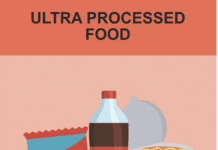
As we’ve established, most Americans already meet or exceed the recommended protein intake and don’t need these added proteins. Importantly, added proteins are often found in ultraprocessed foods high in sodium and/or added sugars and other refined carbohydrates. A mix of natural plant and animal (or only plant) sources is the best choice for health.
Aim to get most of your protein from natural sources. The “Protein Needs and Sources” table can help you get an idea of what that might look like.
