























Ultraprocessed Food Intake Associated with Fat in Muscles
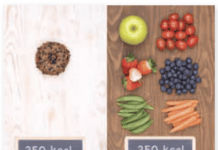
Eating ultraprocessed foods may negatively impact your muscles. A study published in the journal Radiology in April of 2026 found that dietary patterns high...

No Difference Found Between Organic and Synthetic Vitamins/Minerals
Some theorize that organic supplements may be more effective at raising blood levels of vitamins and minerals than synthetic formulations. A randomized controlled trail...
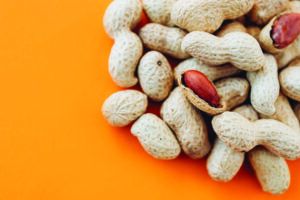
Early Introduction of Food Allergens May Reduce Allergy Risk
Peanuts are one of the most common causes of serious food allergy in children. While parents were once instructed to avoid exposing infants and...
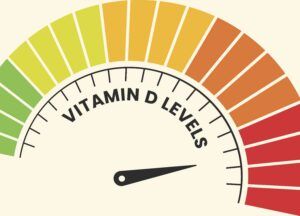
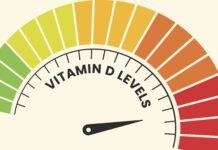
Midlife Vitamin D Levels Associated with Measure of Later-Life Brain Health
Having low blood levels of vitamin D (<20 ng/mL) in later life has been associated with higher risk of cognitive impairment and dementia, including...

High Blood Pressure? Healthy Lifestyle May Lower Cardiometabolic Disease Risk
Nearly half of all U.S. adults have high blood pressure (hypertension). This puts them at increased risk for cardiometabolic diseases like cardiovascular disease and...
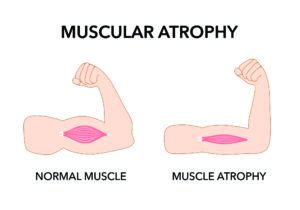
Extra Protein Does Not Preserve Muscle Size or Function with Age
As we age, our bodies get less efficient at replacing tissue lost during normal wear and tear. This is especially true for muscle protein,...
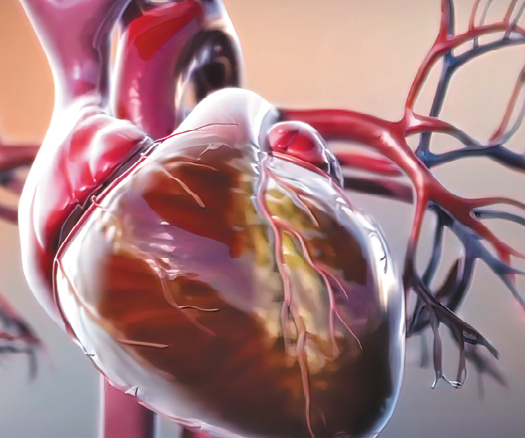
Arterial Plaque Impacts Women Differently from Men
Plaque buildup in the arteries that supply the heart is a major risk factor for heart attack. Evaluation of data from the PROMISE Trial...
RSV Vaccines Work to Prevent Hospitalization
Respiratory syncytial virus (RSV) causes infections of the lungs and respiratory tract. In healthy children and adults, RSV typically causes cold-like symptoms, but this...
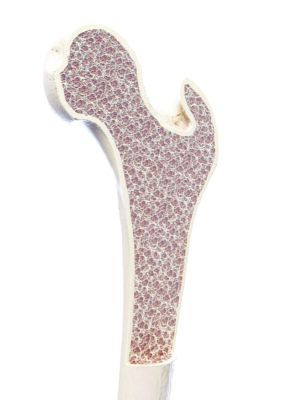
Osteoporosis Screening Recommended for All Women over 6
Osteoporosis is characterized by a decrease in bone density. It affects 12.6 percent of community-dwelling adults over 50 and 27.1 percent of women over...
At Risk for Heart Disease? Lower Your Saturated Fat Intake
A review of 17 randomized controlled trials involving more than 66,000 people concluded that cutting saturated fat intake lowers risk for heart attack and...