






















What we eat affects the composition of the microbes in our gut. This is significant, because the makeup of our gut microbiome impacts our health. Looking at data from over 21,500 individuals, researchers analyzed the gut microbiome signatures of vegans, vegetarians, and omnivores and compared them to health outcomes.
Omnivores (people who eat both plants and animals) had more microbes that have been associated with poor cardiometabolic health than vegans or vegetarians. Vegans, on the other hand, had more microbes associated with better cardiometabolic health. Importantly, omnivores who ate more heathy plant-based foods also had more of these beneficial microbes.
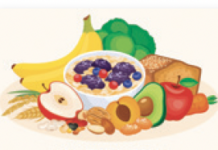
This research reinforces that humans can shape their own gut microbiomes, and by extension their health, through their dietary choices. Omnivores may be able to lower their risk of developing cardiometabolic diseases (like heart attack, stroke, and type 2 diabetes) by reducing their meat intake (particularly red meat) and adding a variety of plant foods (vegetables, fruit, whole grains, beans, lentils, nuts, and seeds) to their dietary pattern.
Most Americans don’t need more protein—but replacing some animal protein with plant sources would be a healthy choice.