





















Shift to Plant-based Meats May Benefit Cardiometabolic Health
P
lant-based meat alternatives—
foods made from plants or fungi that have a mouthfeel, flavor, and/or appearance similar to meat—are better for the planet than animal proteins (especially red meat), but are they better for your health? A systematic review and meta-analysis suggests they might be.
Data from eight studies with a total of 369 participants concluded that substituting plant-based meat alternatives for meat for up to 8 weeks resulted in lower total and LDL (bad) cholesterol levels in adults without cardiovascular disease. No significant differences were seen in weight, HDL (good) cholesterol, triglyceride levels, blood pressure, or fasting glucose concentrations. The studies were short, so long-term effects may differ.
Although they are based on healthy plant proteins such as soy, legumes, grains, and nuts or mycoprotein from fungi (mushrooms), plant-based meat alternatives are often highly processed and may have appreciable amounts of added sodium and/or sugar. In fact, most meet widely-accepted definitions of ultraprocessed foods. While meat alternatives may be helpful in transitioning to a less meat-based diet, consider shifting to less processed forms of protein such as fish, beans, lentils, nuts, seeds, poultry, low-fat and fat-free dairy products, and some eggs.
A Healthy Diet and Less Belly Fat are Associated with Better Brain Health
M
aintaining a healthy diet and keeping belly fat in check between ages 40 and 60 may help protect against cognitive decline and dementia.
Information on dietary intake was collected for 506 participants and waist-to-hip ratio for 657. The average age at the start of data collection was 48. (It should be noted that approximately 80 percent of the individuals studied were male.) Brain imaging and cognitive tests were performed when participants were an average of 70 years old.
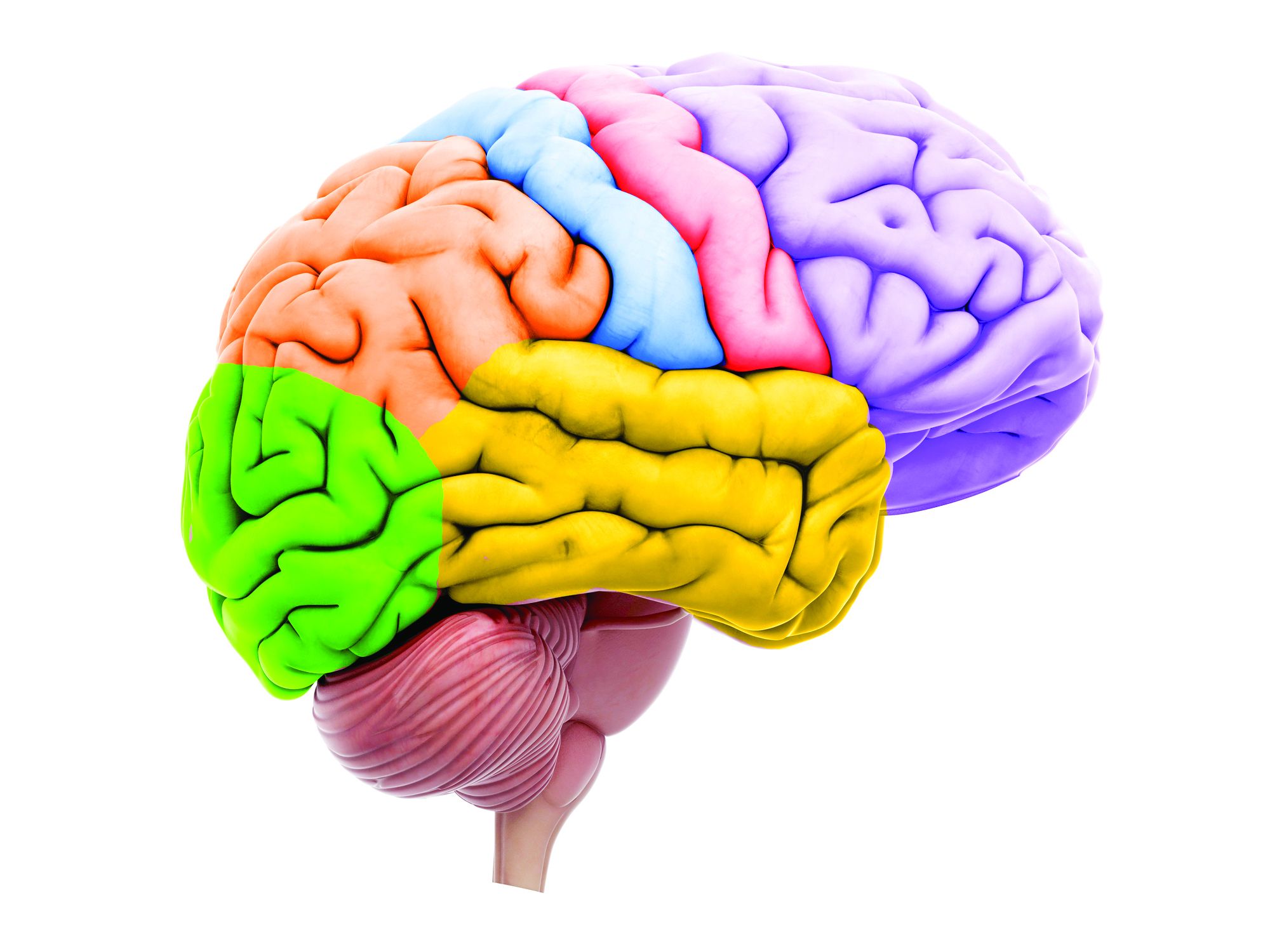
The researchers looked specifically at the hippocampus (an area of the brain crucial for forming and storing long-term memories) and how well water molecules move through the brain’s white matter, which is related to brain functions like processing speed and executive functioning (cognitive skills that help us plan, focus, organize, and manage our thoughts and actions).
Higher diet quality and lower waist-hip-ratio in midlife (or improving these measures from middle to older age) were associated with structural and functional connectivity of the hippocampus at older ages. Lower waist-to-hip ratio in midlife was also associated with better working memory and executive function later in life.
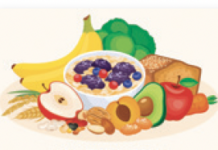
To improve your diet quality, focus on shifting your dietary intake away from red and processed meats, full-fat dairy products, and foods high in refined (white) flour, added sugars, and sodium and toward whole or minimally processed plant foods like vegetables, fruits, whole grains, beans, lentils, nuts, and seeds, along with non-tropical plant oils, low-fat or fat-free dairy, and fish/seafood. For most people, improving waist-to-hip ratio means losing excess body weight. Approaches to doing that include controlling your calorie intake by keeping portion sizes modest, limiting snacking and making smart snack choices, and engaging in regular physical activity.
Swapping Some Red Meat for Other Protein Associated with Better Brain Health
H
igher intake of red meat, particularly processed red meat, has been associated with a higher risk of developing dementia and worse cognition. But swapping out at least some of these foods for healthier choices may help.
Researchers gathered reported dietary intake from a total of 195,195 U.S. adults. Different measures of cognitive health were performed on different subsets: dementia analysis was done on 133,771 participants with an average age at baseline of 49 years; analysis of cognitive function was carried out with 17,458 women with a baseline age of 74 years; and analysis of subjective cognitive decline included 43,966 participants with an average baseline age of 78 years.
Eating more than a quarter of a serving of processed meats a day was associated with a 13 percent higher risk of dementia and a 14 percent higher risk of cognitive decline. Each serving of processed red meat was associated with an extra 1.61 years of cognitive aging. (Examples of processed read meats include bacon, sausage, and deli meats.) Eating one or more serving of red meat (beef, pork, lamb, or venison) a day was associated with a 16 percent higher risk of cognitive decline compared to eating half a serving or less.
Dietary shifts may help. Eating nuts and legumes, for example, in place of just one serving of processed red meat was associated with an estimated 19 percent lower risk of dementia, 1.37 fewer years of cognitive aging, and a 21 percent lower risk of cognitive decline. Substituting fish, eggs, poultry, or low-fat dairy for processed red meat was also associated with better brain health.