
















7 Ways to Help Fight Food Waste
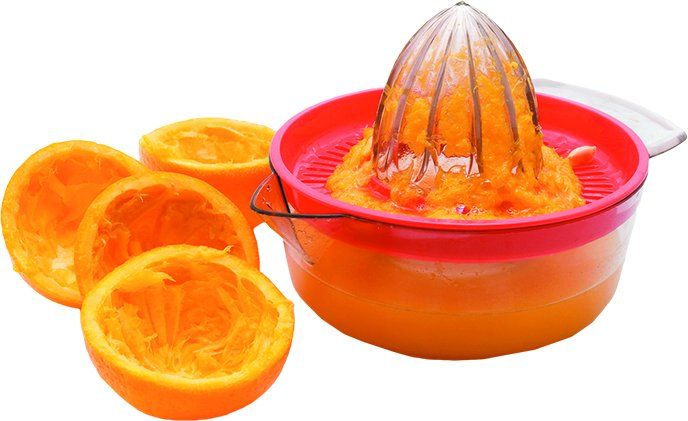
What foods have you thrown out recently? Maybe some slimy salad greens, moldy bread or a bit of leftover spaghetti? If you can't think of any food you've tossed lately, you're doing better than most of us. Each year, the average family of four throws out over 1,000 pounds of food at a cost of $1,500.
Moderate Alcohol Intake May Help Preserve “Good” Cholesterol
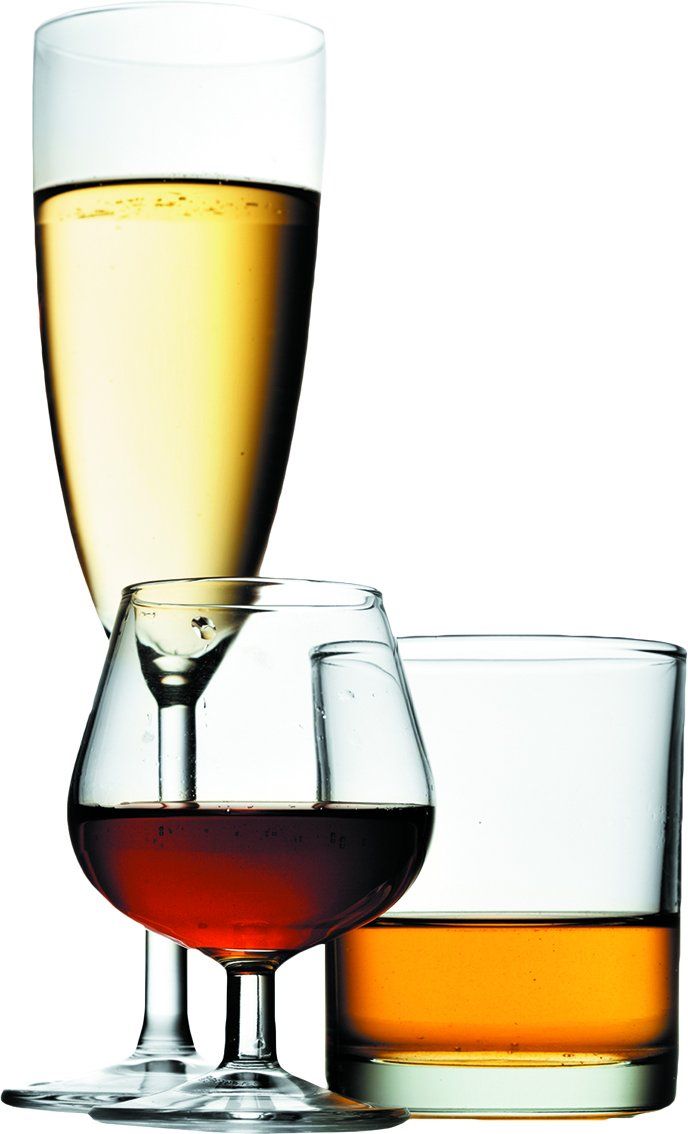
For years we've heard that drinking wine and other alcoholic beverages in moderation may be good for our heart. The majority of alcohol's cardiovascular benefits have been attributed to its association with higher levels of HDL (good) cholesterol, which helps protect artery health. But how does alcohol affect your HDL over the long term, and does it matter what kind of alcoholic beverage it is?
Are You Getting Enough Vitamin E from Your Diet?
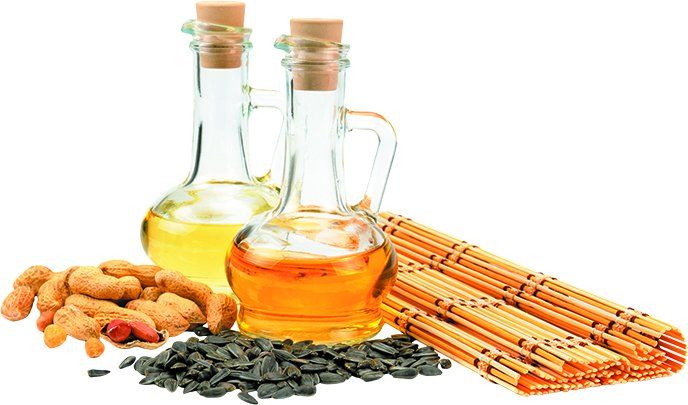
The vast majority of us fall short of meeting vitaminE recommendations. But, that doesn't mean we have a vitaminE deficiency. Outright vitaminE deficiency is uncommon. And despite shortfalls, the 2015-2020 Dietary Guidelines for Americans did not identify vitaminE as a nutrient of public health concern.

What is High-Oleic Sunflower Oil?
High-oleic sunflower oil is a type of plant oil made from sunflower seeds that have been conventionally bred to be high in oleic acid (a monounsaturated fatty acid) and low in linoleic acid (a polyunsaturated fatty acid). There is a minimum of 80% oleic acid in high-oleic sunflower oil. In comparison, traditional sunflower oil has less oleic acid (around 20%) and more linoleic acid. Both high-oleic and traditional sunflower oils are low in saturated fatty acids. Either type of sunflower oil is a good choice from a cardiovascular standpoint, but the traditional oil is less commonly sold in stores or used by the food industry.

Linking Leisure Screen Time & Mortality Risk
Swapping 30 minutes of daily TV or home computer use (leisure screen time) with activities like leisurely walking, gardening, home improvement projects or formal exercise was associated with a 3 to 13% decreased risk of premature death.
No Juice Before Age 1 Says New Advice from Pediatricians
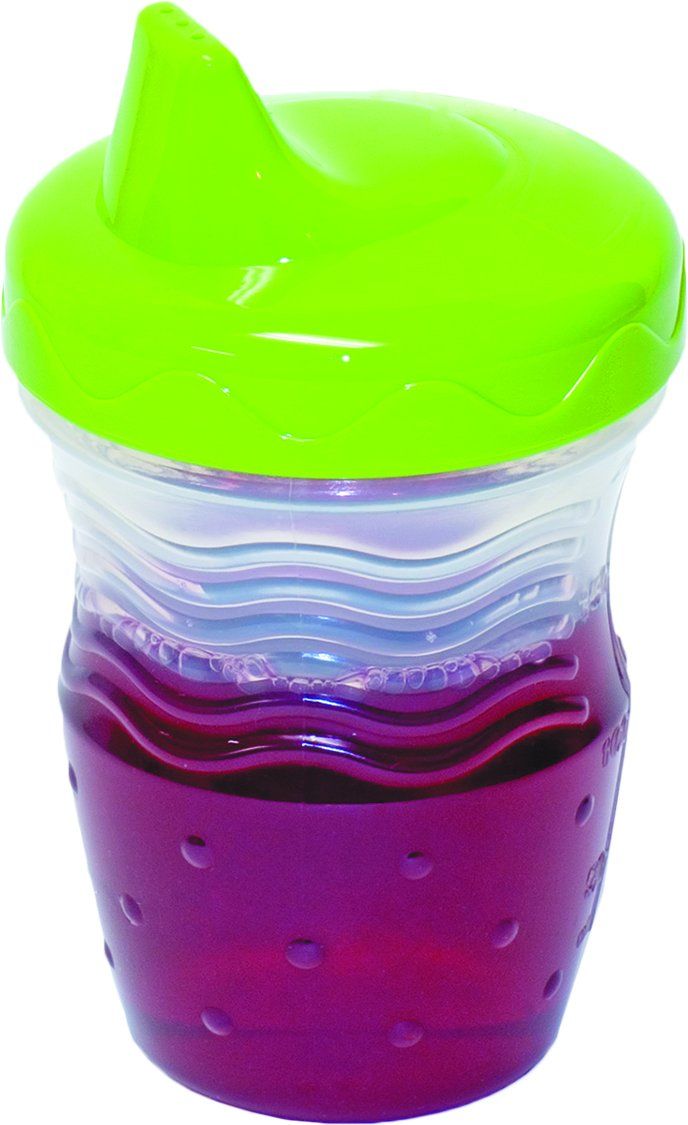
Grandkids or kids at home? Note new advice from the American Academy of Pediatrics (AAP). The group revised its stance from no juice before 6 months old to no juice before one year old.
Watch Portions of Packaged Foods Marketed as Healthy
Portion-controlled packs of indulgent fare like cookies and chips may help people avoid overdoing such foods. A new study in the Journal of Business Research suggests such package cues may help us avoid overeating healthier foods, too.
Do Salty Diets Trigger Hunger?
You may find salt makes you thirsty, but over the long run excess salt could cause your body to conserve water, so you actually drink less, according to two new studies in The Journal of Clinical Investigation. The underlying processes may make you hungry and raise disease risk.
Sweet Drinks: Bad for Your Brain?
Could a sugary-drink habit - or the diet beverages you may consume instead - harm your brain? One recent study showed that regularly drinking sugary beverages, like soda and fruit drinks, was associated with signs of brain aging and declining memory.
Diet Causing 300,000+ Annual Cardiovascular & Diabetes Deaths
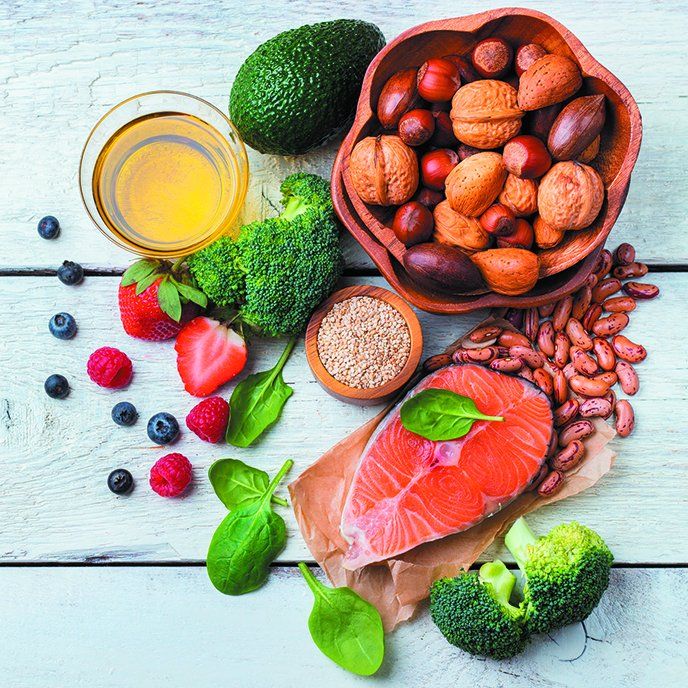
We're often told to eat better to ward off risk of disease and dying early. In that effort, knowing which eating habits to focus on could be helpful. Findings from a new study in JAMA show the large potential impact of 10 dietary factors on Americans' risk of dying from heart disease, stroke or type 2 diabetes. These three conditions encompass the term cardiometabolic disease.