























Q. Is it safest to avoid grilling foods because of increased risk of colon...
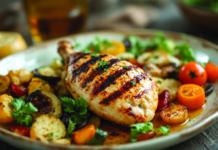
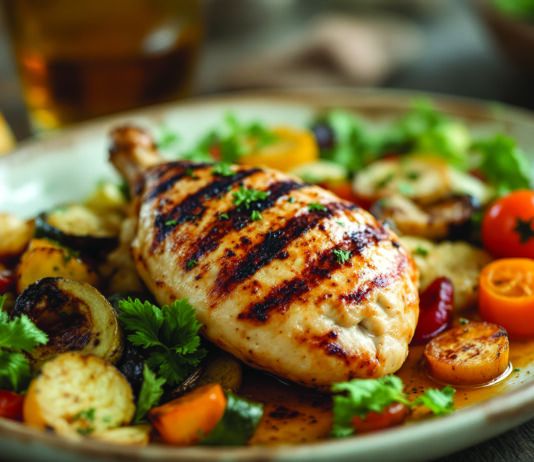
Q. Is it safest to avoid grilling foods because of increased risk of colon cancer?
Q. I read in your newsletter that quinoa is a seed. Are all grains...
Q. I read in your newsletter that quinoa is a seed. Are all grains seeds?
New GMO Potato Cuts Cancer-Linked Chemical
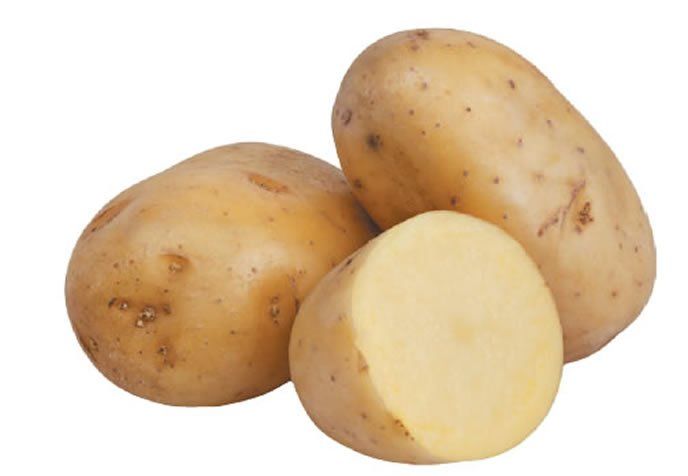
French-fries and potato-chip fans concerned about cancer risk from fried potatoes may have hope on the horizon. Idaho-based J.R. Simplot Co. has received USDA regulatory approval for a genetically modified potato that produces less acrylamide when fried. Thats the naturally occurring chemical linked to concerns about increased cancer risk from fried-potato consumption. The Innate potato, which comes in Russet Burbank, Ranger Russet and Atlantic varieties, also resists bruising, a potential money-saver for growers and processors.
FDA Rejects Aspartame-Ban Petitions
Despite a drumbeat of bad press for aspartame, the US Food and Drug Administration says theres no new credible scientific evidence to change the agencys position that the zero-calorie sweetener is safe for the general population. The FDA recently rejected two citizen petitions calling for an aspartame ban. The agency noted it had analyzed 195 reports of supposed aspartame-related side effects over a 10-year span and did not identify any causal link between aspartame consumption and the reported adverse events or an established mechanism that would explain how aspartame is associated with the reported adverse events.
Putting B Vitamins for Brain Protection to the Test
Could extra B vitamins reduce your risk of cognitive decline and dementia by lowering blood levels of an amino acid called homocysteine? That tantalizing promise was put to the test in two recent large-scale studies, and in both cases researchers proclaimed the results disappointing. But other experts say the jury is still out, particularly for people with low B-vitamin status or those who are already experiencing cognitive decline.
How Good Is Glycemic Index as a Marker of a Heart-Healthy Diet?
Does the glycemic index of the foods you eat matter? Thats the question raised by a headline-making new study sponsored by the National Institutes of Health, the OmniCarb study, which calls into question the notion of good carbs versus bad carbs. Some previous research-along with popular diet plans-suggested that its healthier to choose carbohydrate sources that raise blood sugar levels slowly. These low-glycemic index foods include most whole grains and non-starchy vegetables, as opposed to high-glycemic options such as white bread, potatoes and sugary foods.
The Pros and Cons of Frozen Foods
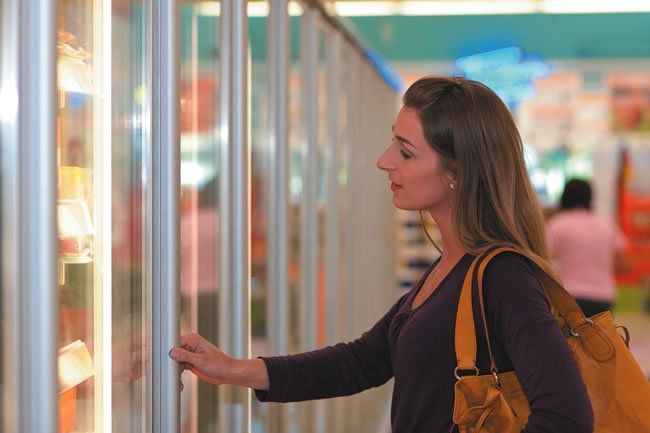
In the dead of winter, grocery shoppers often turn to the freezer aisle for out-of-season produce as well as easy-to-prepare entres. But with sales of frozen foods in decline-down an estimated 5% since 2009-the industry is launching a campaign, Frozen: How Fresh Stays Fresh, to boost awareness and promote frozen foods nutritional benefits. How do frozen foods really stack up?
Q. It has been recommended to me that I include avocados in my diet....
Q. It has been recommended to me that I include avocados in my diet. Since this is not something I care for, is there something else that could be used as a substitute source of these healthy unsaturated fats?

Replacing Saturated Fat with Vegetable Oil Linked to Lower Heart Risk
If youve been confused by recent headlines suggesting Butter Is Back and studies questioning the link between saturated fat and heart disease, a new meta-analysis may set the record straight. The research found that people who swap 5% of the calories they consume from saturated fat sources such as red meat and butter with foods containing linoleic acid-the main polyunsaturated fat found in vegetable oil, nuts and seeds-was associated with a 9% lower risk of coronary heart disease events. Switching from saturated fat to linoleic acid was also associated with a 13% lower coronary heart disease mortality risk.
FDA Finalizes Sweeping Calorie-Count Rules
Ignorance may not be bliss, at least when it comes to calories, so the US Food and Drug Administration will soon require calorie counts for everything from chain restaurants to movie-theater popcorn to vending machines. The rules stemmed from the 2010 passage of the Affordable Care Act, and were initially proposed in 2011, but the FDA delayed the final rules for three years in the face of industry opposition. Compliance will now be required by late this year, with vending-machine companies getting an extra year.