



























Review: Menu Calorie Counts Not Enough
Even as larger restaurant chains are adding calorie labels to their menus, as required by the Affordable Care Act, a review of the evidence cautions that those numbers alone may not change consumer behavior. The review of 31 studies, published in the Journal of Community Health, concluded that the best-designed studies show that calorie labels do not have the desired effect in reducing total calories ordered. Women, dieters and upper-income diners paid the most attention to restaurant calorie numbers, but overall the impact was negligible. It may be the case that calorie labeling alone is not sufficient to modify consumer behavior in the desired direction, researchers wrote. Other presentation formats, including color coding, physical activity equivalents and healthy logos or traffic lights, might prove more successful, they added.
Mouthfeel Affects Calorie Assumptions
Its true of ice cream and rice cakes, but people tend to generalize such associations of mouthfeel and calories to all foods: Soft and creamy foods that melt in your mouth have more calories than foods that are crunchy and rough-or so we assume, according to a new study. Researchers reported the results of five laboratory studies in the Journal of Consumer Research, comparing, for example, how many calories subjects estimated were in hard versus soft brownies. Foods that were hard, crunchy or had a rough texture were generally rated as lower in calories than choices that were smooth and required less chewing. Surprisingly, participants overestimated calorie counts of all the foods, but guesses for soft and creamy foods were even further inflated.
Q. Does including calcium improve absorption of Vitamin D? I eat sardines two to...
Q. Does including calcium improve absorption of Vitamin D? I eat sardines two to three times a week, and wonder if including a calcium supplement at the same time would be a wise move? (Im middle-aged and averagely active with no known deficiencies in either vitamin.)
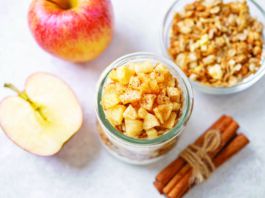
Q. Are dried fruits as nutritious as fresh, canned or frozen?
Q. Are dried fruits as nutritious as fresh, canned or frozen?
Is Celery Powder Bad for You?
Celery, and several other common vegetables (for example, beets, arugula lettuce) naturally contain high levels of sodium nitrate. Processed meats usually have sodium nitrate added to them to help cure the meat, and there is a theory going back some decades that it is the sodium nitrate in processed meats that conveys an increased risk of cancer (this concept remains a theory, and has never been proven).
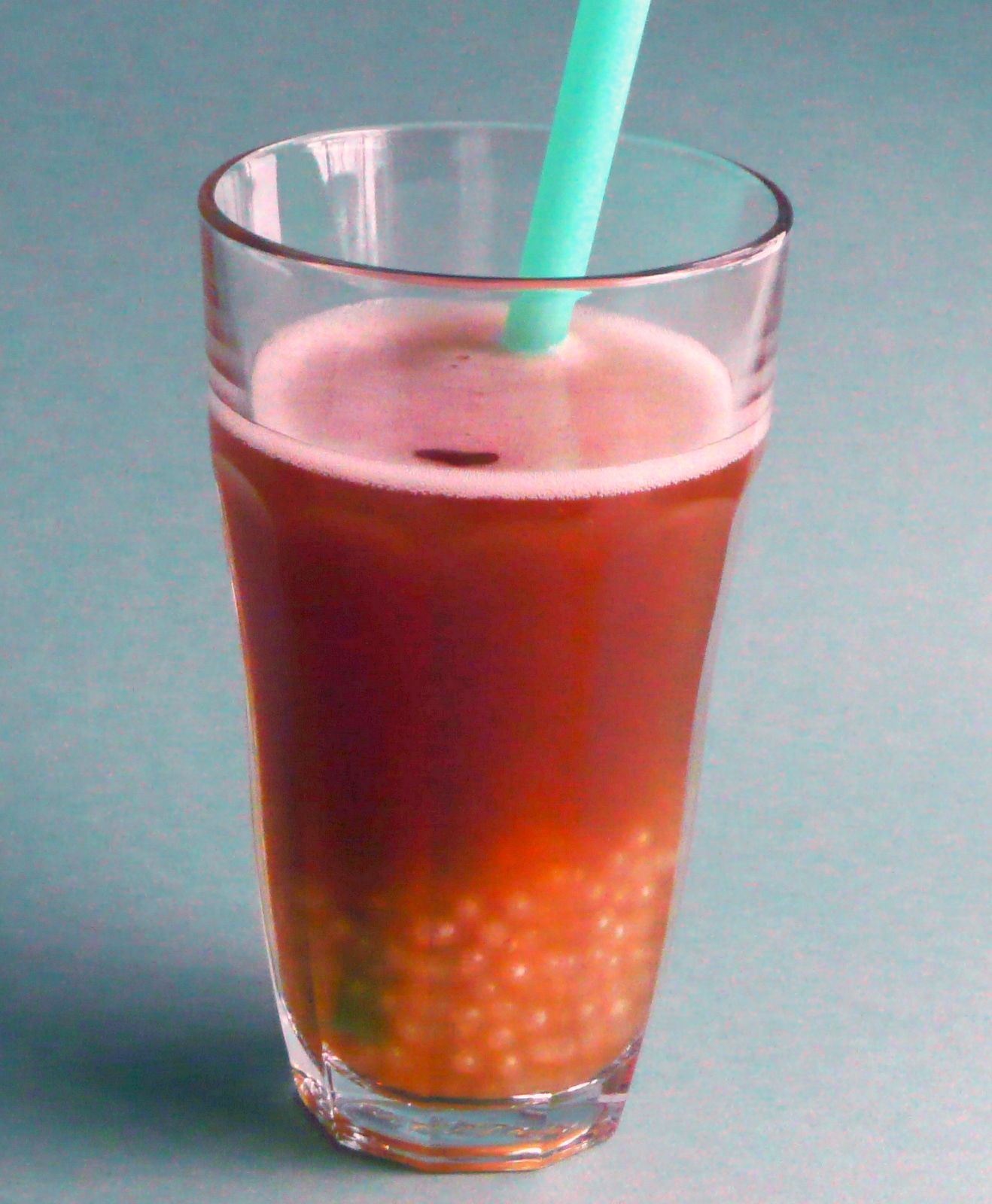
Summer Time Bubble Tea
Ah summer…time to relax on the porch with a cool beverage. But after reading the Special Report in this newsletter, you are certainly aware that sodas and prepared ice tea drinks are loaded with sugar and calories. To help you to kick the soda and sugar habit, here are some refreshing low-calorie drink recipes. They have all been designed to taste good with very little or no added sweetener. Cheers!

Does New Study Mean Butter Is Back?
Somewhere, Julia Child is smiling. A new review published in Annals of Internal Medicine has given ammunition to those, like the famous French chef, fond of cooking with butter and other sources of saturated fat. The meta-analysis looked at 27 prior clinical trials and 49 observational studies, totaling more than 600,000 participants. It concluded that current evidence does not clearly support cardiovascular guidelines that encourage high consumption of polyunsaturated fatty acids and low consumption of total saturated fats.
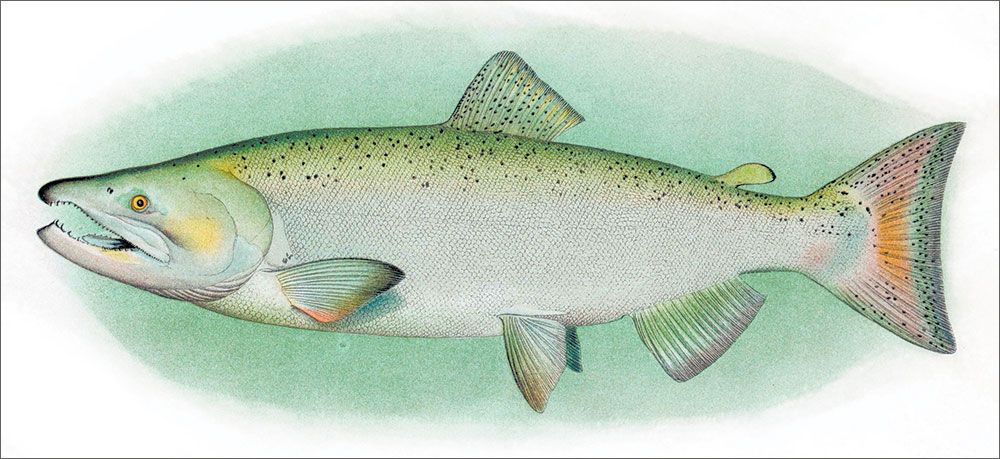
Smart Shopping for Salmon
Among the many pleasures of summer is the return of fresh, wild-caught salmon to local supermarkets. In general, wild salmon are in season from May through September, depending on species. Richly flavored and easy to prepare in a variety of ways (see recipe on the next page), its no wonder salmon is Americas third most-consumed seafood, behind only shrimp and tuna, at about two pounds per person annually.
Large Study Will Test Chocolate Compounds
Participants in a recently announced nationwide study wont get to eat chocolate candy in the name of science, but they will be testing the cocoa flavanols thought to give dark chocolate heart-healthy properties. The four-year study will give participants either a placebo or flavorless capsules containing doses of cocoa flavanols higher than could be easily obtained by eating chocolate. It will be by far the largest trial of the chocolate compounds, which previous findings have…
Q. I keep seeing advertisements for multivitamins that say I need antioxidants to promote...
Q. I keep seeing advertisements for multivitamins that say I need antioxidants to promote cell health. What does this mean?