













For Most Products, 0 g Trans Fat Really Means Zero
When the US Food and Drug Administration began requiring trans fat amounts to be listed on Nutrition Facts labels in 2006, it left what some regard as a loophole: Products containing trans fat with less than 0.5 grams per serving could nonetheless be labeled 0 g trans fat. Crunching the numbers on a database of 130,000 branded and private-label food products, however, revealed that concerns about heart-unhealthy trans fat lurking under that 0 grams label…
Natural Label Still Popular
A slew of lawsuits-58 in 2013 alone-hasnt persuaded the food industry to jump off the natural-labeling bandwagon. Some experts had predicted that fear of legal action over the vague definition of natural might deter companies from using the term, which has been challenged in products using genetically modified (GMO) ingredients or high-fructose corn syrup, for example. But Mintel, which tracks global product launches, reports that 14% of new food products introduced in the US last…
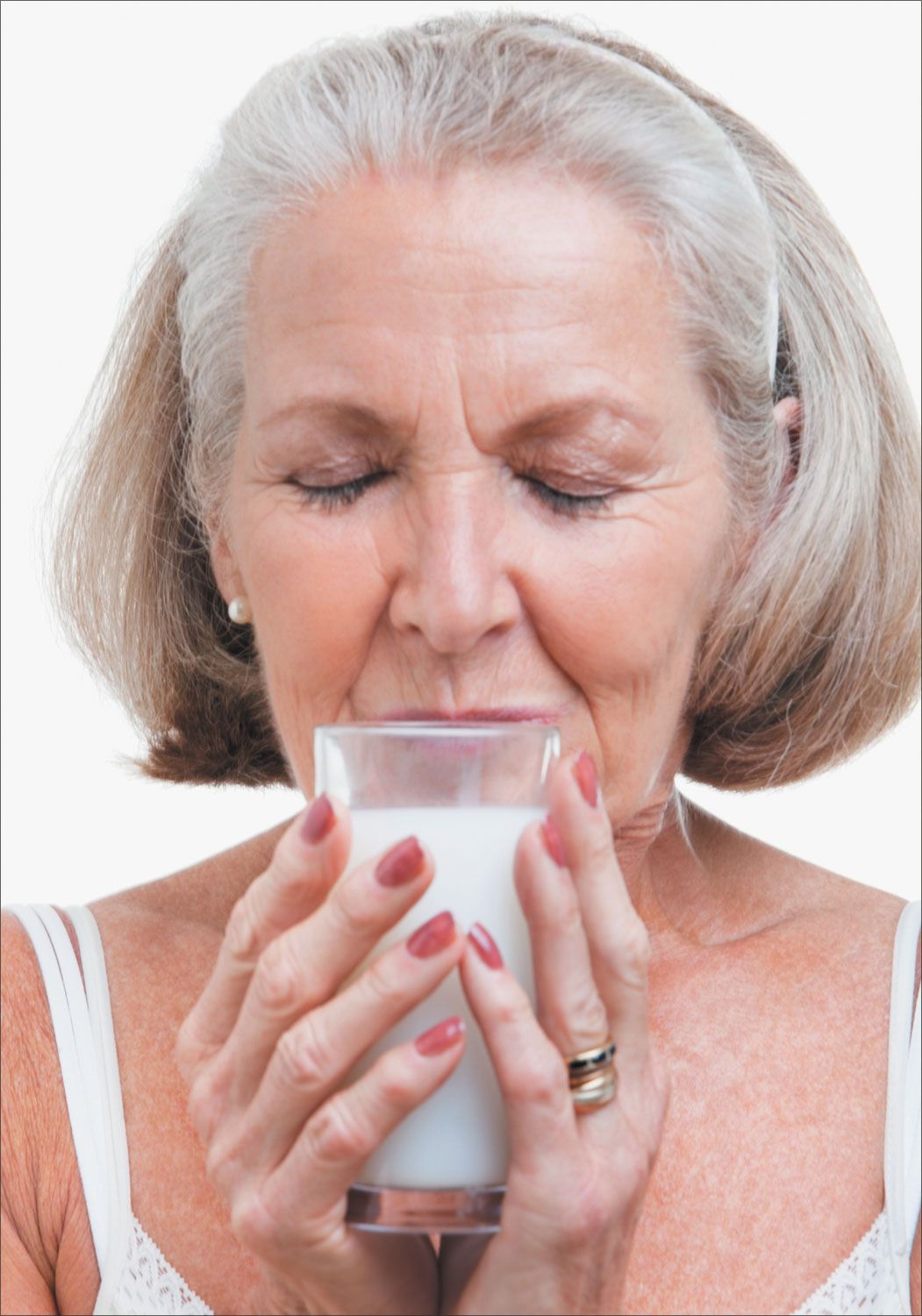
Calcium and Vitamin D May Benefit Cholesterol as Well as Bones
If youre taking extra vitamin D or calcium to protect your bones, theres good news about these bone-building nutrients and your cholesterol levels. According to a new analysis of data from the Womens Health Initiative (WHI), supplements of vitamin D and calcium might modestly improve your cholesterol numbers. Previous studies of calcium and cholesterol had produced inconsistent results, while little was known about vitamin Ds effects.
Q. What are the pros and cons of traditional modes of making yogurt, especially...
Q. What are the pros and cons of traditional modes of making yogurt, especially Greek yogurt?
Q. Is oat bran as good as oatmeal for nutrition value?
Q. Is oat bran as good as oatmeal for nutrition value?
The Heart-Brain Blood Supply
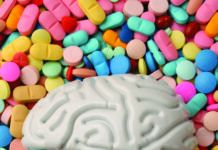
Just like every other organ and tissue in the body, the brain needs oxygen and nutrient-rich blood to function properly. Because the brain is so crucial to the bodys survival, it receives a disproportionate amount of blood. Though it takes up only about 2 percent of the bodys weight, the brain receives 15 to 20 percent of the bodys entire blood supply, and 25 percent of its oxygen supply. The body will deprive other parts of the body of blood to ensure that the brain has what it needs.
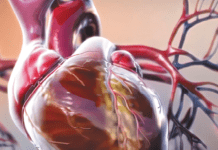
The heart feeds the brain by sending blood through vessels both on the surface of the brain and deep inside it. Two pairs of arteries branching out from the aorta-the internal carotid arteries and vertebral arteries-supply the brain with blood. Carotid arteries send blood to the front of the brain, and vertebral arteries send blood to the back of the brain.
Blood flow into the brains tissues is a bit different than it is in other parts of the body. Elsewhere in the body, nutrients, oxygen and waste products can move freely in and out of the capillaries. This is not true in the brain. The brain has its own checkpoint, the blood-brain barrier, a semi-permeable system that lets only certain substances pass into the brain. This barrier protects the brain against viruses, toxins, hormones, and other substances in the blood that might harm the brains delicate tissues.
Considering how essential nutrient-rich blood is to the brains function, any disruption in blood flow can pose a serious risk. A blockage in the brains blood supply from a clot either in the brain or from elsewhere in the body is called a stroke. A stroke deprives the affected part of the brain of oxygen. Without oxygen, the brains cells will die. If too many brain cells die, thought and virtually every other function will come to a halt. Two primary risk factors for stroke are high blood pressure and heart disease, which illustrates the close relationship between heart and brain health.
For more information on the connection between the heart and brain, purchase Heart-Brain Diet: Essential Nutrition for Healthy Longevity by Tufts Medical Report.
The heart feeds the brain by sending blood through vessels both on the surface of the brain and deep inside it. Two pairs of arteries branching out from the aorta-the internal carotid arteries and vertebral arteries-supply the brain with blood. Carotid arteries send blood to the front of the brain, and vertebral arteries send blood to the back of the brain.
Blood flow into the brains tissues is a bit different than it is in other parts of the body. Elsewhere in the body, nutrients, oxygen and waste products can move freely in and out of the capillaries. This is not true in the brain. The brain has its own checkpoint, the blood-brain barrier, a semi-permeable system that lets only certain substances pass into the brain. This barrier protects the brain against viruses, toxins, hormones, and other substances in the blood that might harm the brains delicate tissues.
Considering how essential nutrient-rich blood is to the brains function, any disruption in blood flow can pose a serious risk. A blockage in the brains blood supply from a clot either in the brain or from elsewhere in the body is called a stroke. A stroke deprives the affected part of the brain of oxygen. Without oxygen, the brains cells will die. If too many brain cells die, thought and virtually every other function will come to a halt. Two primary risk factors for stroke are high blood pressure and heart disease, which illustrates the close relationship between heart and brain health.
For more information on the connection between the heart and brain, purchase Heart-Brain Diet: Essential Nutrition for Healthy Longevity by Tufts Medical Report.
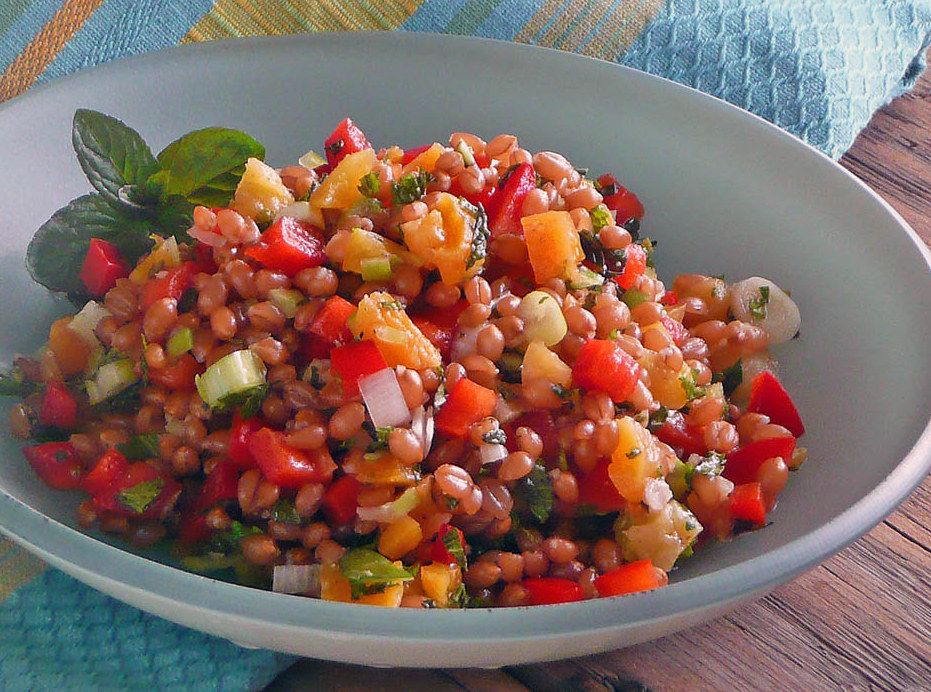
Wheat Berry Salad with Dried Apricots & Spiced Citrus Dressing
Whole grains shine in sturdy salads that are perfect for summer barbecues, picnics and potlucks. This multi-colored salad features delightfully chewy wheat berries and sun-kissed dried apricots in a lively dressing. You are probably most familiar with wheat in the form of flour, but wheat berries, which are the whole, unprocessed kernels of wheat, are also a tasty and highly nutritious ingredient for cooking. Wheat berries can be found in natural foods stores and large supermarkets.
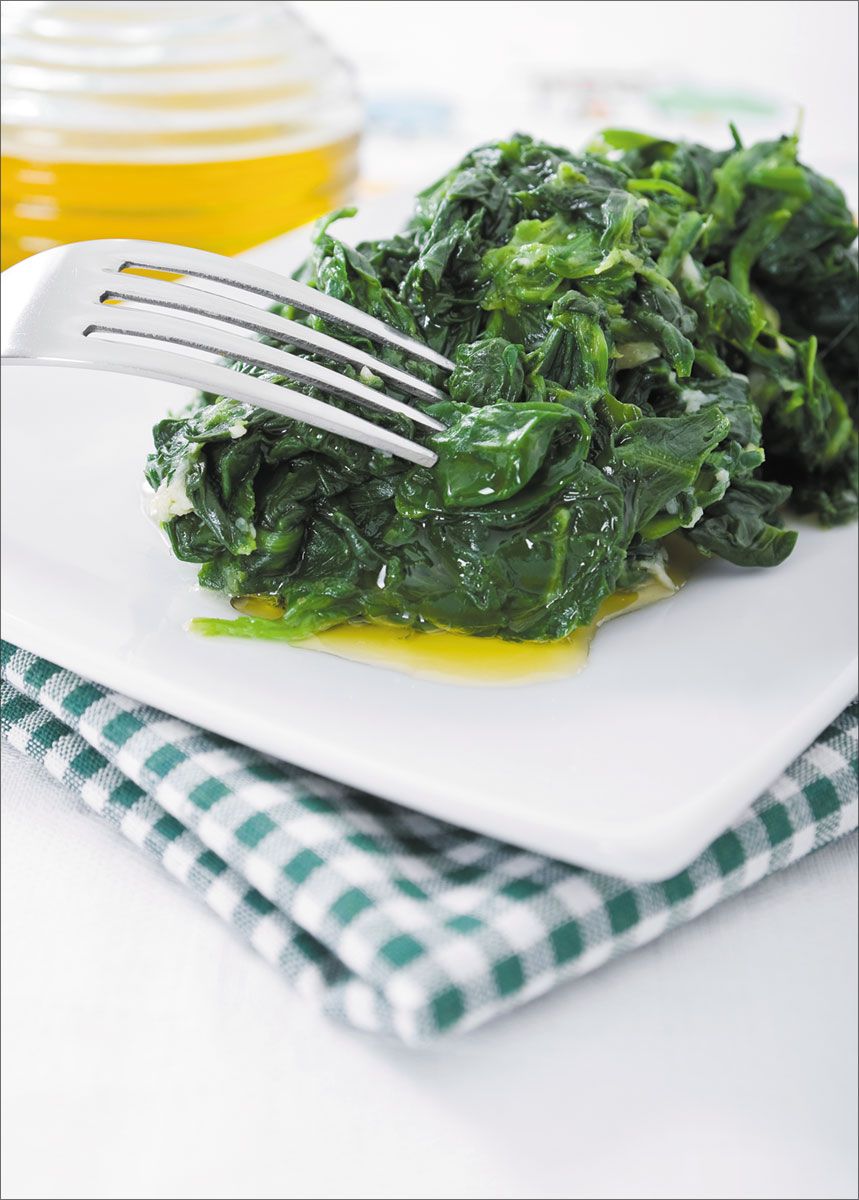
Discover the Goodness of Cooked Greens
If you listen to advocates of the raw food movement, everything is better for you when its not cooked. But theres a whole group of leafy-green vegetables traditionally served cooked-mustard, collard and turnip greens-that, except in the South, most Americans simply skip as they concentrate on fresh salad greens. Cooking helps tame the flavors of some greens, like mustard, that might deter some diners. Cooking can also make chard more palatable, when its leaves and stems are too mature for salads. And of course cooking opens up a whole different menu for spinach and kale.
Q. Id like to know what kinds of cocoa to get to drink in...
Q. Id like to know what kinds of cocoa to get to drink in hot chocolate form and also how much per day?
Q. I have a new blender that will take a whole fruit and turn...
A. Kelsey Watson, a dietetic intern at Tufts Frances Stern Nutrition Center, answers: Youre right in recognizing that fruit contains many valuable nutrients, including fiber, a nutrient for which most Americans do not meet the daily recommendation. Most of a fruits fiber is contained in its peel and pulp. For example, the edible portion of a medium orange contains 2.66 grams of fiber, while four ounces of orange juice contain only 0.23 grams of fiber.…