





























Q. I constantly read in your publication and others about the importance of keeping...
A. Alice H. Lichtenstein, DSc, director of Tufts HNRCA Cardiovascular Nutrition Laboratory, suggests: You should check the restaurants website to see whether nutrition information is available. If it is a smaller, neighborhood restaurant, you can talk to the manager to see whether there are options for lower-sodium preparation if the request is made when ordering. Some restaurants, too, indicate sodium levels on their menus, either with nutrition numbers or heart-healthy logos. Its also important, Lichtenstein…

Added Sugars Add to Your Heart Risk
Previous studies have linked added sugar, such as in non-diet soft drinks and other beverages, to increased risk of key factors in heart disease-including weight gain, hypertension, type 2 diabetes and unhealthy cholesterol levels. Now, for the first time, a new analysis of nationwide dietary data has found an association between consumption of added sugar and higher risk of death from cardiovascular disease.
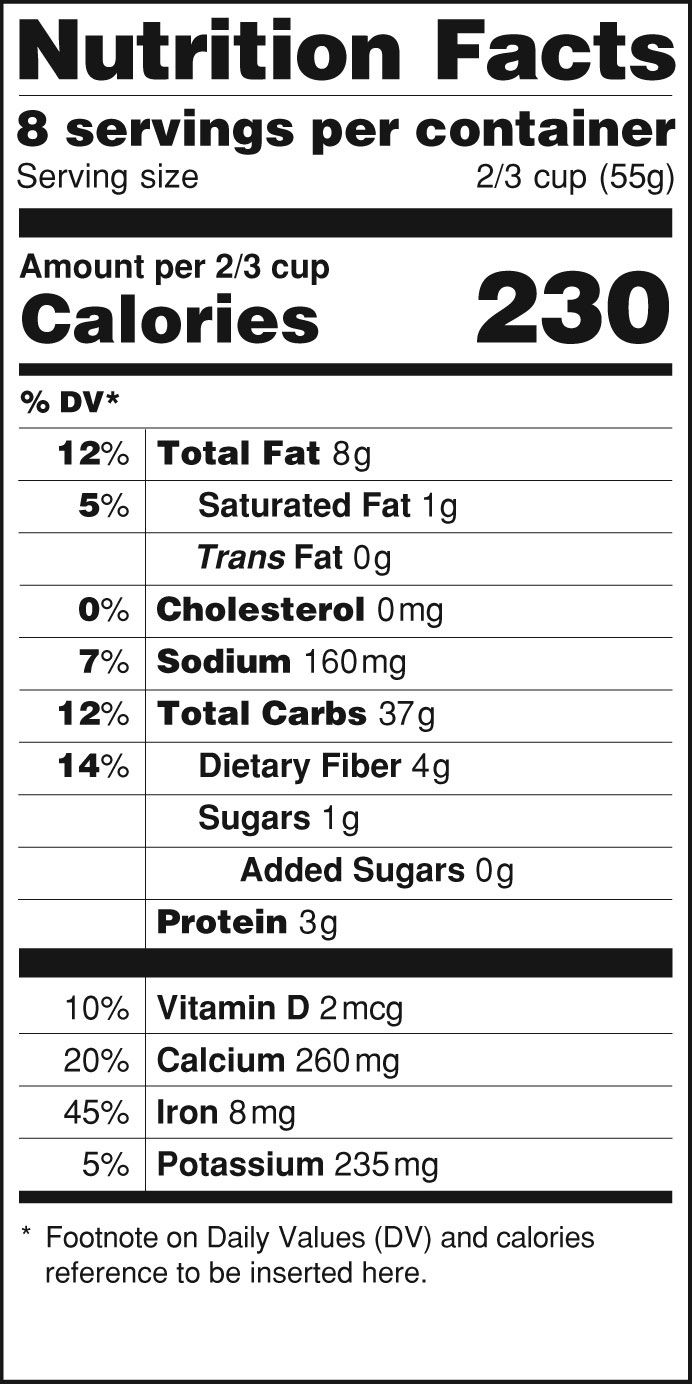
FDA Proposes Label Makeover
Administration has proposed the most significant changes in nutrition labels since the government started requiring them in 1992. The Nutrition Facts labels were last modified in 2006, with the addition of trans fat data. The latest FDA proposal goes much further, revising portion sizes, the labels appearance and which nutrients must be included and even how theyre calculated. But dont look for the new labels on grocery shelves anytime soon:
Canada OKs First Flax Cholesterol Claim
Flax fans are applauding Health Canadas Food Directorate, which has approved the first health claim for ground flaxseed as a food that improves cholesterol. Products containing flaxseed can now boast that daily consumption of 40 grams (five tablespoons) of the ground seed lowers unhealthy cholesterol levels. Grinding or milling the seeds, the agency noted, makes nutrients such as omega-3s more bioavailable. Flaxseeds can easily be incorporated into a wide range of food products, and very finely milled ingredients derived from the seeds can even be added to beverages. Canada leads the world in flax production.
Building Better Broccoli
A pair of discoveries, reported in the journal PLoS One, may lead to better broccoli in the produce aisle. University of Illinois researchers, seeking to boost levels of anti-cancer glucosinolate compounds found in broccoli and similar vegetables, sprayed the plants shortly before harvest with methyl jasmonate. That natural, non-toxic plant signal chemical tells genes in the broccoli to produce the desired anti-cancer agents. Unfortunately, testing showed it also accelerated the production of ethylene, which causes plants to decay. Spraying a second chemical recently discovered in plants, 1-methylcyclopropene, was found to block the ethylene and prolong shelf life. The one-two punch, scientists hope, will help protect against cancer while also protecting the broccoli in your fridge.
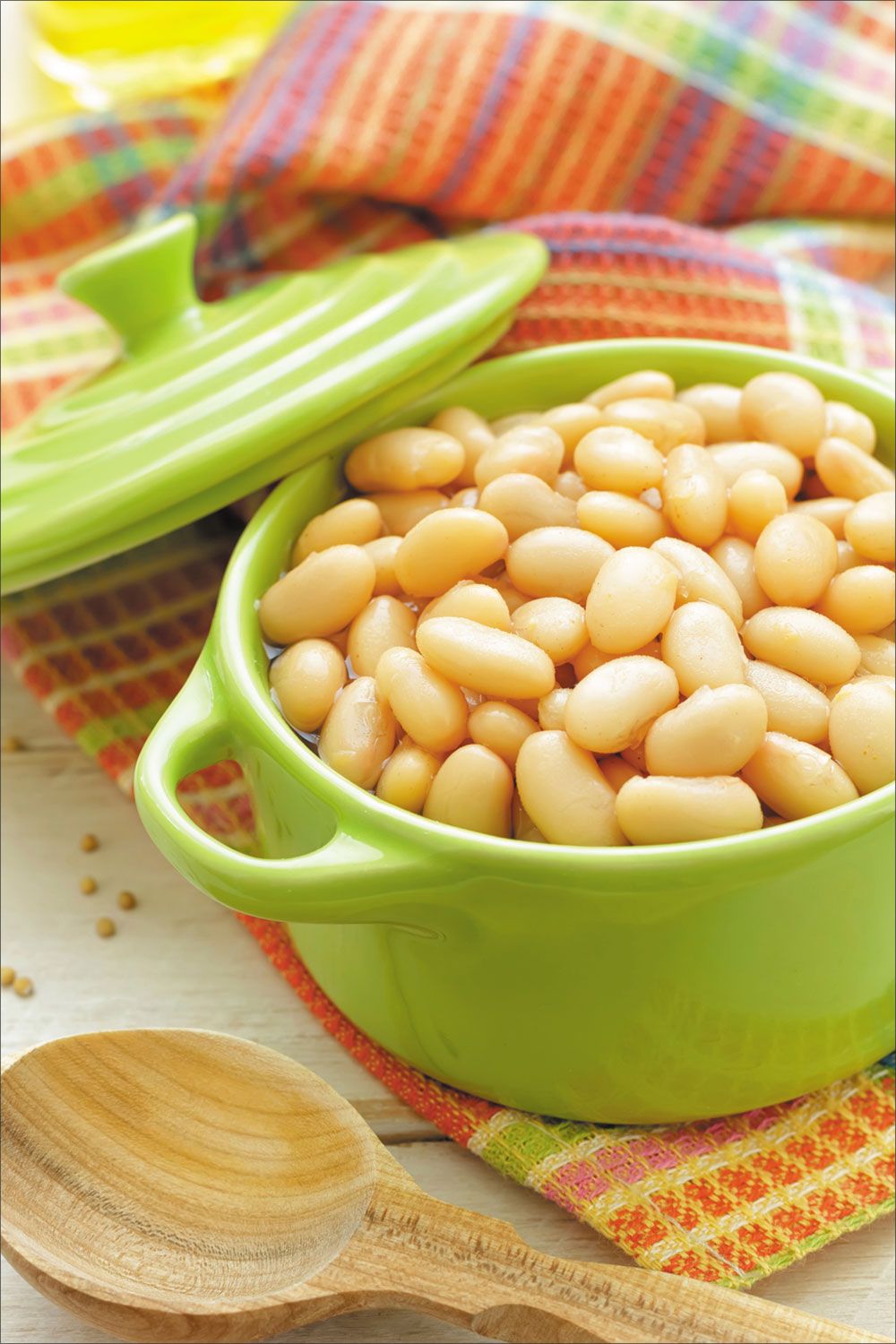
Diets Rich in Magnesium Associated with Slower Progression to Diabetes
Getting enough magnesium in your diet from foods such as whole grains, nuts, fish and and vegetables may reduce your risk of diabetes. Adequate magnesium may be especially important for those at greatest risk of progression to diabetes.

Evaluating Alternatives Against Alzheimers and Dementia
An estimated 5 million Americans age 65 and older have Alzheimers disease-a figure expected to increase 40% by 2025 and to nearly triple by mid-century, according to the Alzheimers Association . Many more suffer from other forms of dementia and from cognitive decline. Science is making unprecedented strides toward preventing and slowing such conditions, however. According to the National Institute of Neurological Disorders and Stroke, Scientists have learned more about the brain in the last 10 years than in all previous centuries, because of the accelerating pace of research in neurological and behavioral science and the development of new research techniques.

Provencal Seafood Soup with Red Pepper Sauce
A hearty meal-in-a-bowl soup is the perfect antidote to a chilly winter evening. This classic soup from the south of France may seem complicated, but it is actually very simple to make. Although there are some aromatic ingredients to chop, many of the ingredients are basic pantry seasonings. You will be rewarded with a meal that is low in calories and saturated fat, but rich in flavor-a delicious way to include more fish in your diet (The USDAs Dietary Guidelines for Americans, 2010 recommends eating 2 servings of fish per week.) A simple sauce made from pureed roasted red peppers, seasoned with a little garlic, chile pepper and olive oil, gives the soup a remarkable depth of flavor.

Fudge Brownies
If you love decadent, fuggy brownies, but dont want to spend an entire days fat-and-calorie budget on one chocolate treat, put aside your skepticism about the surprising ingredient in this recipe and give it a try. Pured canned beans are the magic ingredient. They replace half of the butter, with canola oil standing in for the remainder. Additional fat-trimming techniques include: substituting cocoa for some of the chocolate, two egg whites for one of the eggs and switching to whole-wheat flour. The result: a brownie with fewer than 100 calories and one-forth of the saturated fat of the traditional recipe. And, the best part: no one will guess that this is a healthy brownie!

Oatmeal Walnut Crisps
It is hard to imagine the holidays without cookies! Sadly, it is hard to find healthy options in the cookie jar. But, here is an exception. These delicate, thin cookies are made with whole grains, contain minimal saturated fat, and (for a cookie) are relatively low in calories-as long as stop after one or two. This simple batter is versatile. Use the recipe as a base and add variety to your holiday treats by trying the variations below.