

























Q.Does drinking almond milk provide the same health benefits as consuming the actual nut?
Q.Does drinking almond milk provide the same health benefits as consuming the actual nut?
Q. After many years of digestive problems, I decided to go gluten-free and have...
Q. After many years of digestive problems, I decided to go gluten-free and have felt much better. Does this mean I need to go gluten-free for the rest of my life? Is there any diagnostic test other than if you feel better, stay gluten-free?
Q. I try to avoid foods with hydrogenated in the ingredients, knowing this refers...
Q. I try to avoid foods with hydrogenated in the ingredients, knowing this refers to trans fats. But what about autolyzed (as in autolyzed yeast extract) or hydrolyzed (as in hydrolyzed vegetable protein)? Should these also be avoided?
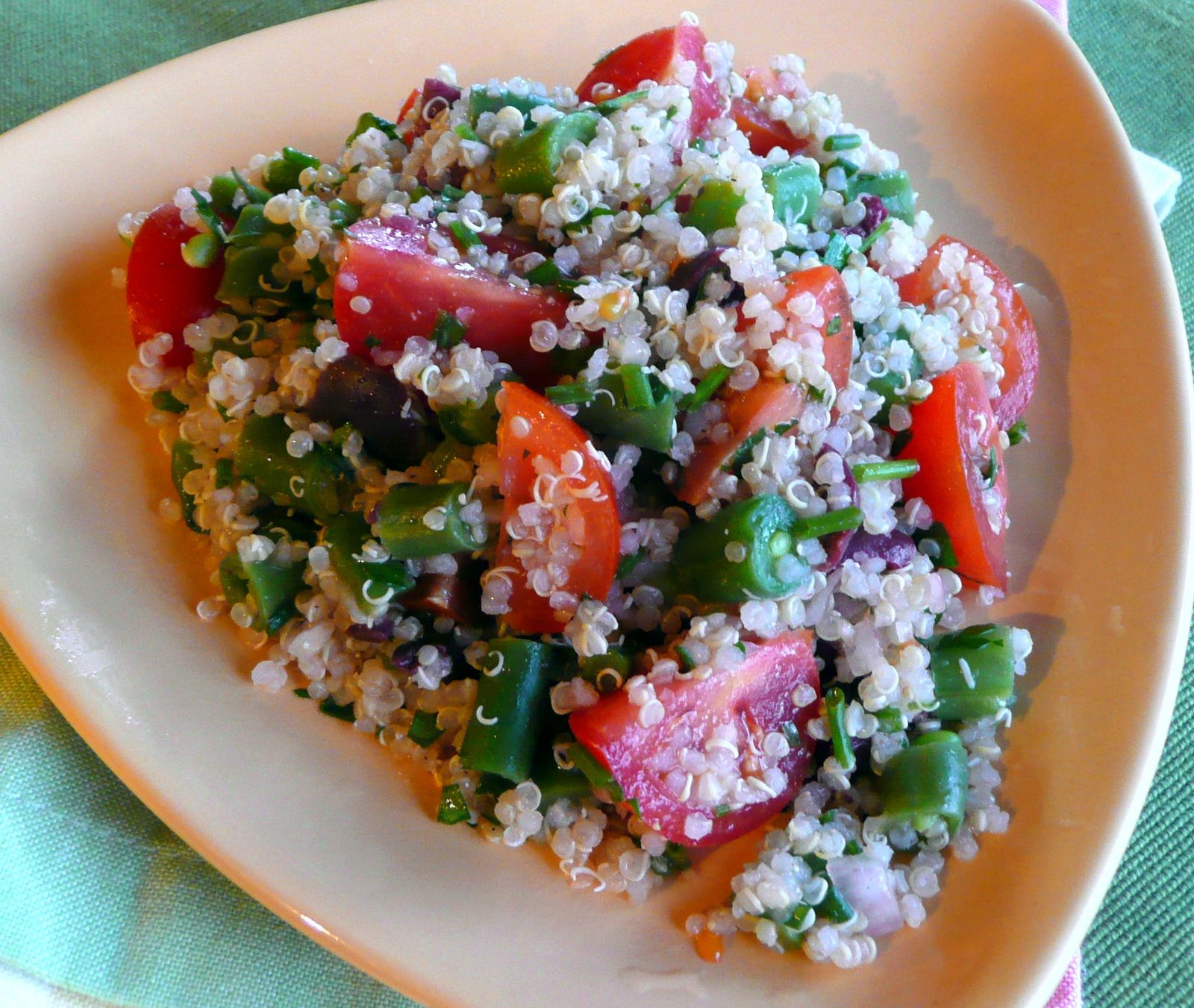
Quinoa Salad With Mediterranean Flavors
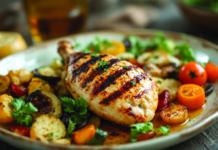
This hearty yet refreshing salad is perfect for potlucks, picnics and backyard barbecues. It provides the benefits whole grains and lots of colorful vegetables in one dish and requires no last-minute preparation. The base of the salad is quinoa, which although it is treated like a grain, is actually a seed. It is gluten-free and it supplies complete protein, as well as magnesium and fiber. Quinoa has a delicate, nutty flavor and cooks in less than 20 minutes. You can find it in natural foods stores and many supermarkets.
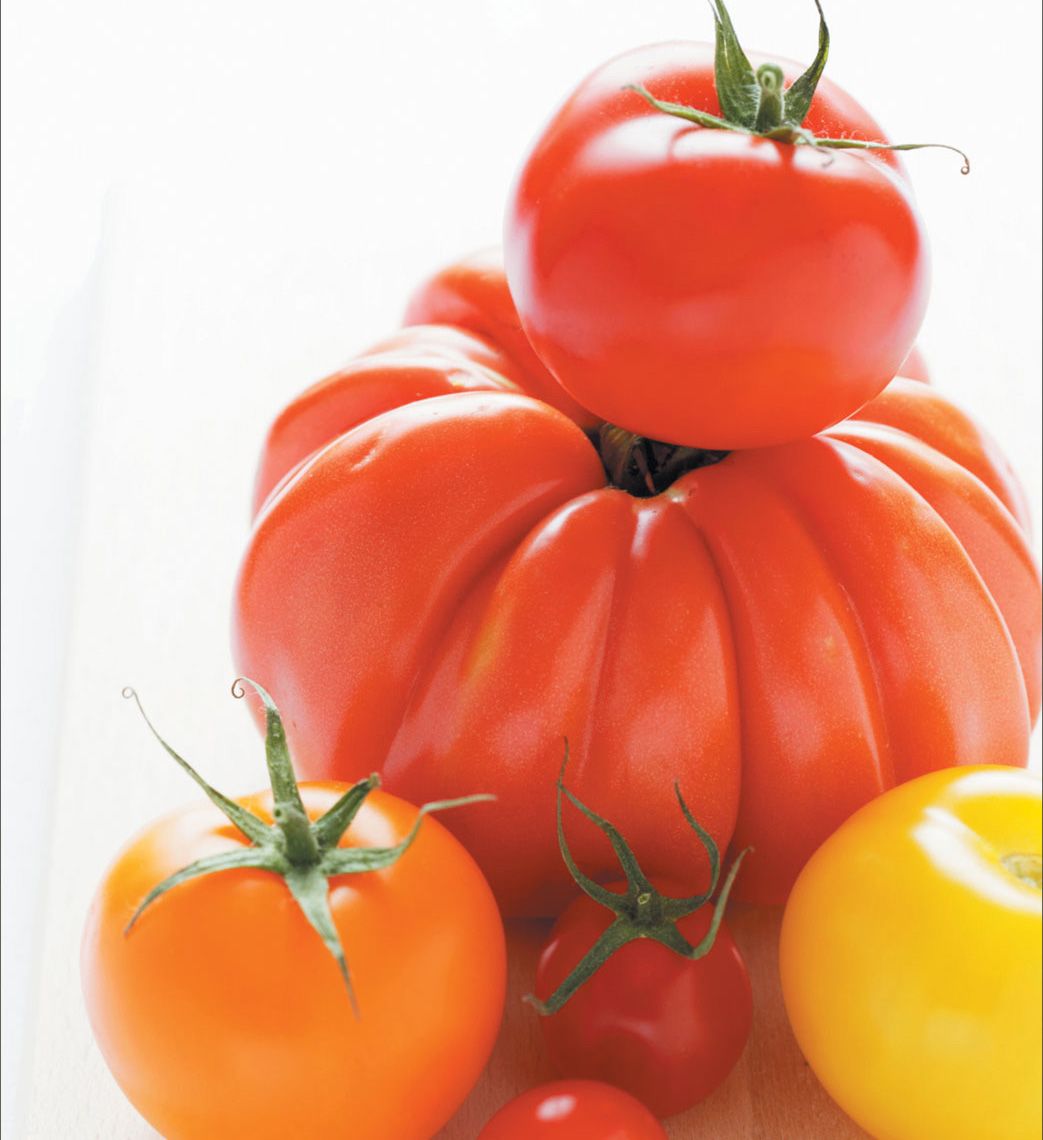
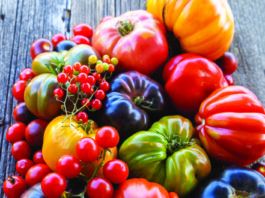
How to Get Maximum Health Benefits from Tomatoes
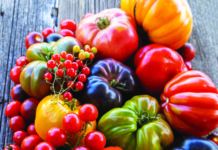
Tomatoes are so ubiquitous in the American diet, from the fresh tomatoes just now coming into prime season to countless processed products, that its hard to believe they were once commonly avoided as poisonous. Its true that tomatoes, like potatoes and peppers, belong to the nightshade family, and their leaves contain alkaloids that can indeed be toxic to pets. Europeans who saw the plants from the New World thought tomatoes resembled belladonna-deadly nightshade-and gave the fruit the forbidding name wolf peach.
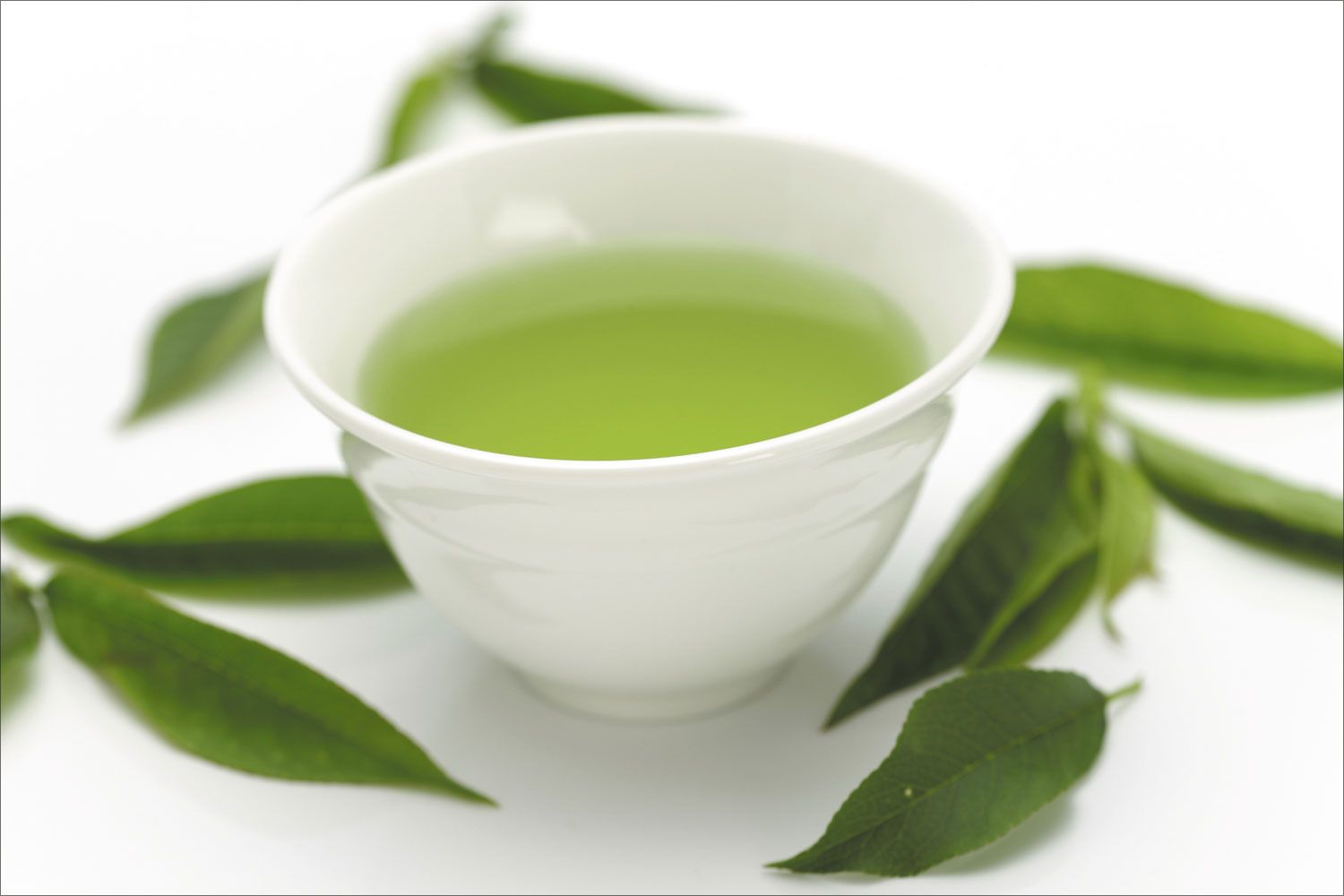
Green Tea May Enhance Working Memory
A small clinical trial suggests that green tea could improve the connectivity between parts of the brain involved in tasks of working memory. You might think of working memory as the brains sticky notes, where bits of information are temporarily held for manipulation before forgetting or transferring to long-term memory.
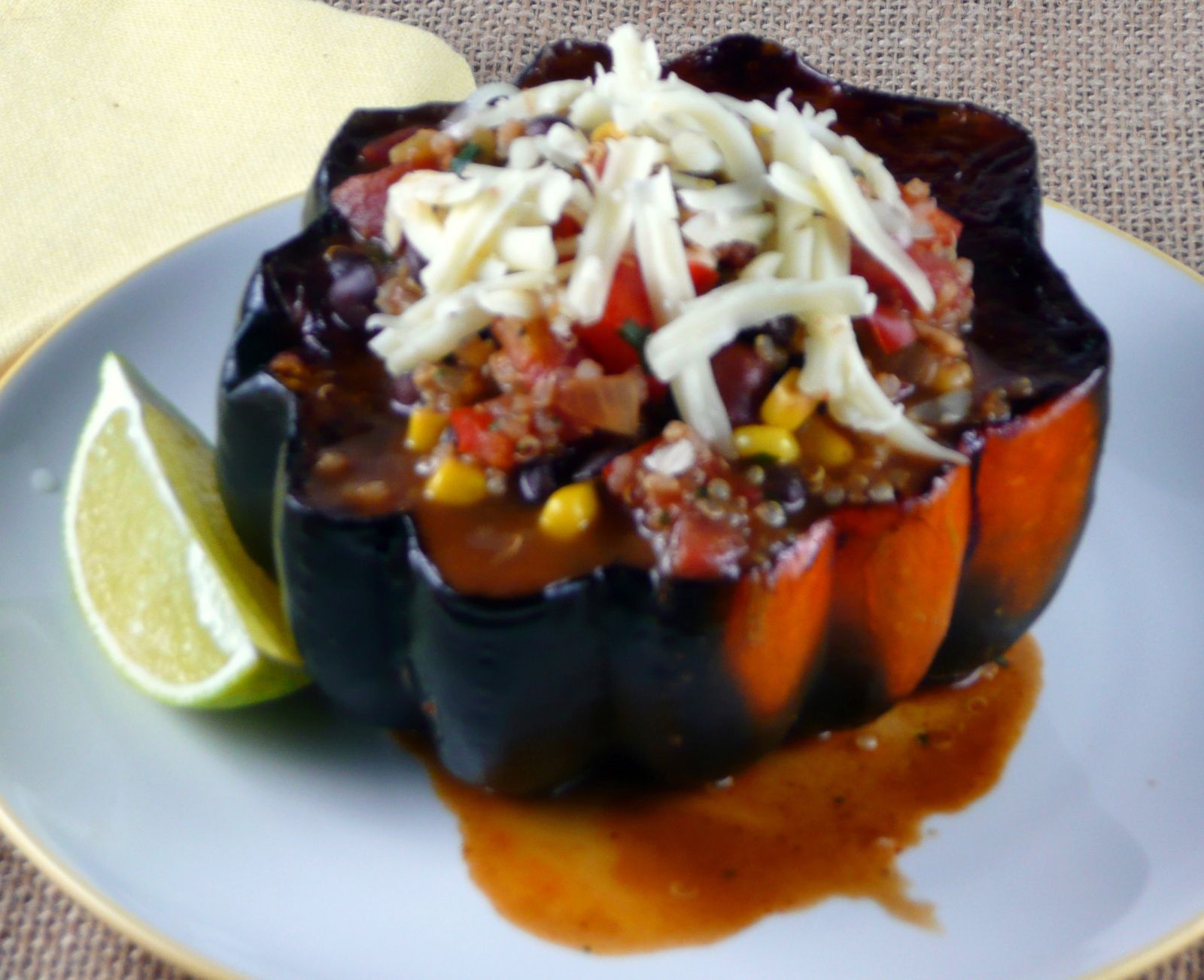
Vegetarian Chili with Roasted Squash
A robust chili is an excellent candidate for a vegetarian entre because the beans provide both protein and fiber, while the spice blend contributes a complex flavor. We serve this hearty chili in an edible bowl of roasted squash. Not only does this make an attractive presentation, the squash tastes great with the chili and packs even more nutrient-rich produce into your dinner. (If you are pressed for time, omit the squash; the chili makes a satisfying meal all on its own and leftovers taste even better the next day.)

How Much Water Do You Really Need?
If these thirsty, sweaty summer days have you worrying whether youre getting eight glasses of water a day-as conventional wisdom says you should-you need to take a closer look at the facts versus the fictions about hydration.
Consumers Like Organic, Even If Confused on Meaning
A new survey finds 84% of US consumers say they sometimes buy organic foods, and 45% buy organic at least once a month. But the survey of 1,016 adults, conducted by Opinion Research Corp. for Consumer Reports, also turned up some consumer confusion over what exactly that USDA organic certification means. Fewer than half, for example, knew that the organic seal on poultry or eggs means that the chickens went outdoors and had a certain minimum amount of living space. (Nearly two-thirds, however, thought organic should signify such requirements.) And 20% reported buying organic fish, even though the USDA has no such standard; nearly all (92%) said the agency should have guidelines for organic fish.
Foodborne Illness Rates Little Changed
Were not exactly winning the war on foodborne illnesses, but at least last year we battled to a draw. According to a new report from the Centers for Disease Control and Prevention (CDC), rates for illness and hospital admissions in 2013 were down marginally from 2012. Deaths were up slightly, based on laboratory-confirmed infections caused by nine pathogens at 10 US sampling sites. Looking at specific pathogens, salmonella cases were down but still accounted for the most infections; only campylobacter, mostly from poultry and raw milk, came close. The sharpest increase, though still a small percentage of total cases, came from vibrio, a bacterium found in raw shellfish such as oysters; warmer coastal waters may be to blame, CDC experts said.