














FDA Gluten-Free Rules Take Effect
Patients with celiac disease can now buy products labeled gluten free with confidence that the foods really do have no more than trace amounts of the protein found in wheat and some other grains. US Food and Drug Administration rules requiring gluten-free products to contain fewer than 20 parts per million of gluten, originally published in 2013, are now binding on manufacturers. The agency says most people with celiac disease, which affects an estimated 3 million Americans, can tolerate those tiny amounts-the lowest level that can be consistently detected in foods using current scientific tools.
Snack Makers Opt for Stealth Sodium Reduction
Responding to health concerns and anticipated voluntary sodium-reduction targets from the FDA, many food companies are cutting down on the salt in their products. But salty-snack producers arent boasting about such steps for fear of alienating potential customers, according to the Tate & Lyle market-research firm. Overall, the percentage of new US products making label claims about sodium reduction has risen from 2.1% in 2010 to 4.5% in 2014. Stealth sodium reductions far exceed overt changes, however, according to Tate & Lyles Nancy Gaul, especially in the snack-food aisle. Only 2% of new products in crackers, potato chips and tortilla chips feature such claims, with packagers preferring softer language such as a hint of salt.
Cactus-Drink Claims Debunked
If youve shelled out for pricey cactus concoctions in hopes of relieving inflammation and other ills, the Federal Trade Commission (FTC) says you got taken. TriVita, the maker of Nopalea cactus drink, agreed to pay $3.5 million to settle false-advertising claims. (The FTC regulates advertising, while the FDA governs product safety and labeling.) Nopalea infomercials, featuring former supermodel Cheryl Tiegs, made unsupported claims that the beverage improves breathing and relieves sinus infections and other respiratory conditions, and provides relief from pain, swelling of the joints and muscles, and psoriasis and other skin conditions. These claims were purported to be backed by clinical studies, which was false. People who appeared in the ads as supposedly ordinary consumer endorsers were in fact TriVita sales people.
Americans Are Nuts About Almonds
Nutrition and health benefits have helped make almonds the nations new favorite nut, with sales topping shelled and unshelled snack peanuts (not counting peanut butter). Annual almond consumption has soared from about 4 ounces per capita in the 1970s to more than 32 ounces. Driving the trend, analysts say, are studies linking almond consumption to cardiovascular and other health benefits. At the same time, Americans are realizing that the mostly unsaturated fats in nuts are not to be avoided, and seeking alternative protein sources: Red-meat consumption is down, and more than 3% of US adults say they are vegetarians.
Extra Niacin Not Effective vs. Heart Disease
If youre taking high doses of niacin supplements (vitamin B3) in hopes of preventing heart disease, new results from a large international clinical trial of prescription doses of niacin might give you second thoughts. The study, dubbed HPS2-THRIVE, found no benefit compared to placebo, and raised red flags about potentially serious side effects. A new subanalysis of a similar US niacin trial, AIM-HIGH, was published alongside the findings in the New England Journal of Medicine, confirming the incidence of side effects.
Maximize Your Foods Nutrition by Healthy, Easy Steaming
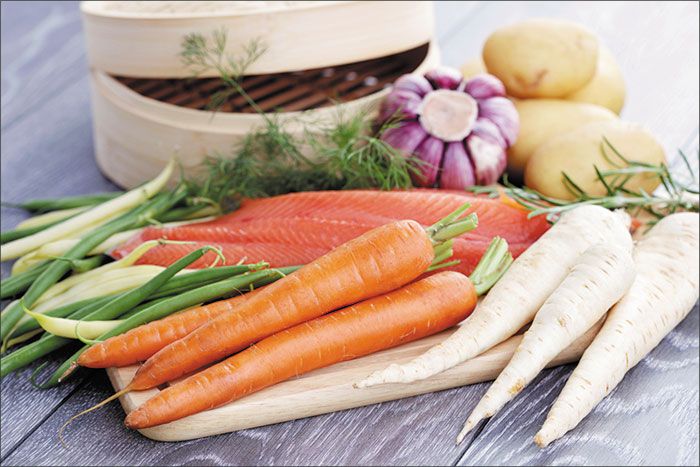
It may be time to dig out that seldom-used steamer basket, or the bamboo steamer your cousin gave you as a birthday gift that you never opened. Your cousin was right when she said steaming is a healthy way to cook-no added fat required, zero potential carcinogens from charring, and minimal loss of nutrients.
Its Never Too Late to Eat Your Fiber
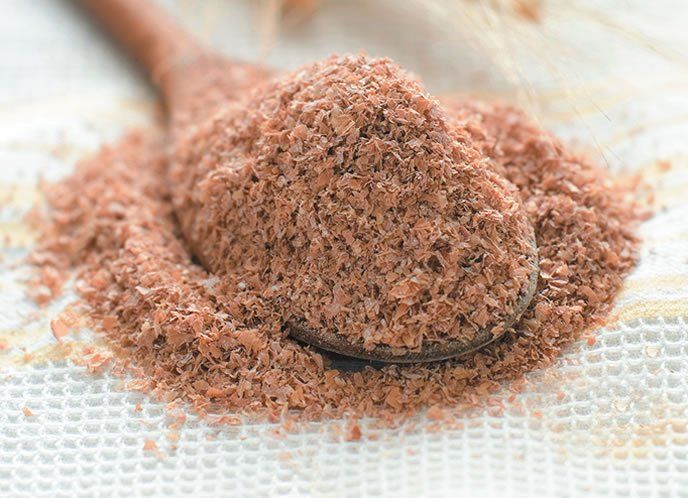
Higher cereal fiber intakes are associated with lower risk of cardiovascular disease, and now a new study shows cereal fiber is also associated with decreased risk of dying after surviving a first heart attack. Researchers analyzed pre- and post-heart attack data on more than 4,000 people over nine years. Those who increased their cereal-fiber intake after a first heart attack were 35% less likely to die of cardiovascular causes.
Q. How can I distinguish between a product that has high levels of the...
Q. How can I distinguish between a product that has high levels of the healthy compounds in dark chocolate and one that does not?
Q. Ive heard that foods from the nightshade family are supposed to aggravate arthritis....
Q. Ive heard that foods from the nightshade family are supposed to aggravate arthritis. Is this true? Are some nightshade foods worse than others?
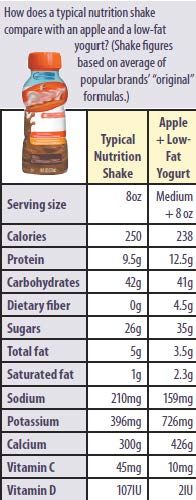
Do You Need to Drink Extra Nutrition?
Nutrition shakes, originally developed for hospital patients at risk of malnourishment because of difficulty eating conventional food, are now being marketed to healthy people of all ages as a convenient form of nutritional insurance-sort of like a multivitamin in a bottle. But the American Geriatrics Society recently advised against using the popular liquid supplements even for most older adults suffering unintentional weight loss. There is no evidence that they affect other important clinical outcomes, such as quality of life, mood, functional status or survival, according to the societys latest Choosing Wisely guidance for physicians and patients.