


























Reality Check on Resveratrols Health Benefits
Proponents of resveratrol, the antioxidant compound found in red wine and grapes whose near-miraculous health claims have created a $30 billion supplement industry, must have felt a bit of whiplash lately. First, a new study of dietary intake of resveratrol in the Chianti wine-making region of Italy made headlines by reporting no correlation with longevity or lower risks of cancer or cardiovascular disease. Resveratrol Health Benefits a Myth?, one news article asked. Then, just three weeks later, another new study reported that resveratrol supplements improved memory in overweight older people-raising hopes once again.

Hold the Salt, Experts Agree
This summer, the New York City Department of Health and the American Heart Association brought together 34 of the worlds leading nutrition scientists and epidemiologists to tackle the link between dietary sodium and heart disease. The experts issued a joint statement concluding that the evidence is clear. Population-wide reduction of sodium intake is an integral approach to reducing cardiovascular disease events and mortality in the United States. They cited a compelling body of evidence from laboratory, clinical and population research.
Consumers Look for Locally Grown, Natural
The most popular food label term that consumers say they look for is locally grown, cited by 67% in a survey by Consumer Reports. Thats followed by natural at 59%, even though that term is only loosely defined by US regulators.
Unearthing the Real Paleo Diet
Thanks to a study of 50,000-year-old Neanderthal feces, scientists now have a better understanding of what made up the real Paleo diet. The study examined fecal matter found in soil collected at a previously unearthed Neanderthal gathering place in Spain. A biomarker thats produced when cholesterol is digested was used to determine that prehistoric people produced the sample, because humans break down more cholesterol than other animals.

Drinking More Coffee Linked to Lower Diabetes Risk
Go ahead, have another cup of coffee. A new study suggests that increasing your coffee consumption might actually lower your risk of developing diabetes.
Smart Substitutes for Sugar
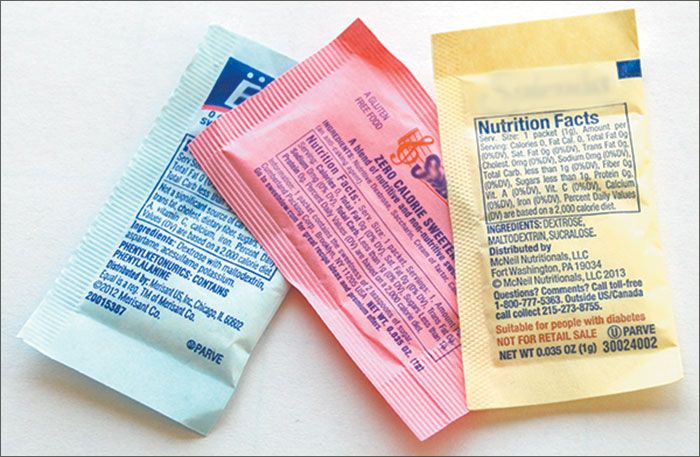
Sugar is in the spotlight as a key contributor not only to the obesity epidemic but also to chronic diseases, with the US Food and Drug Administration (FDA) for the first time proposing requiring food companies to list added sugars on the Nutrition Facts label. On average, US adults consume 14.6% of their calories from sugars not naturally occurring in food-in everything from sodas to snack foods, from cereals at breakfast to packaged entres at dinner.

Best Food Choices to Reduce Your Cancer Risk
Reporting on the annual meeting of the American Association for Cancer Research earlier this year, the New York Times noted, The latest results about diet and cancer were relegated to a single poster session and a few scattered presentations. Previous high hopes that specific dietary changes might combat cancer risk have largely evaporated, the Times reported, in the wake of more thorough epidemiology. The report summed up: About all that can be said with any assurance is that controlling obesity is important, as it is for heart disease, type 2 diabetes, hypertension, stroke and other threats to life. Avoiding an excess of alcohol has clear benefits. But unless a person is seriously malnourished, the influence of specific foods is so weak that the signal is easily swamped by noise.
Q. Our daughter-in-law wont give her children cows milk because she read a book...
Q. Our daughter-in-law wont give her children cows milk because she read a book where it says the acid in milk leaches calcium from your bones. Is there really any cause for concern about this?
Q. Do powdered green-tea beverage mixes contain any of the beneficial compounds found in...
Q. Do powdered green-tea beverage mixes contain any of the beneficial compounds found in brewed green tea?
Q. Ive seen media reports about the negative effects of protein, and yet others...
Q. Ive seen media reports about the negative effects of protein, and yet others that recommend protein powders, such as those made with whey, which I use. Is the problem with animal protein in general or with the saturated fat that comes with the protein in so many foods? Is whey protein OK?