
























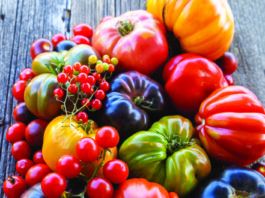


Organic Crops Found Higher in Antioxidants
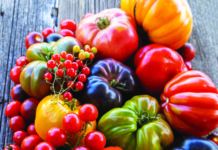
Are organic fruits, vegetables and grains better for you? No one disputes that organic foods are lower in synthetic pesticides, though how important that is to your health remains controversial, as long as levels fall below EPA thresholds. But most studies have found little difference between organic and conventionally grown crops in nutritional value.

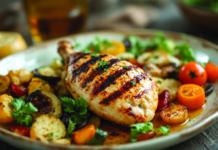
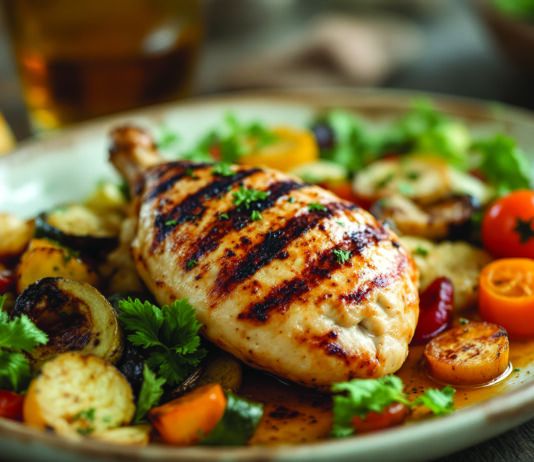
Oven-Fried Chicken
No need to fry to make fried chicken. Removing the chicken skin and baking the chicken rather than deep-frying it yields an impressive savings of saturated fat and calories-and the results are every bit as delicious. In this recipe, we marinate the chicken in seasoned low-fat buttermilk. This step ensures that the skinless chicken stays moist and succulent. A whole-grain breading forms a tasty crust during baking. As most chicken-breast pieces are much larger than an appropriate serving size (which is 3 ounces cooked chicken), cut breast halves in half on the diagonal before marinating and dredging.
Lower Incomes Lag as US Diets Improve Slightly
Americans are eating a slightly healthier diet than a decade ago, but low-income adults are falling behind in diet quality, according to a new study published in JAMA Internal Medicine. Using a Healthy Eating Index they devised, Harvard School of Public Health researchers compared eating habits from 1999-2000 and 2009-2010. Data came from national nutrition and health surveys, plus government estimates on trans fat intake.
Pictures Beat Numbers for Sugar Avoidance
Would you be less likely to guzzle that 20-ounce cola if the bottle pictured a pyramid of 26 sugar cubes-an amount equal to the 65 grams of sugar in the soda? A new study published in the journal Appetite suggests that such visual representations can help consumers avoid added sugars, and that the effect lasts beyond the initial drink-or-no-drink decision. In a series of four experiments, researchers tested participants ability to understand representations of sugar in grams (one sugar cube equals 2.5 grams) and reactions to seeing those quantities pictured as stacks of sugar cubes. After seeing the sugar cubes, participants rated sugary drinks as less attractive and reported they would be less likely to consume them. In an ostensibly unrelated experiment, those whod learned to think of grams in terms of sugar cubes were later less likely to select sugar-sweetened beverages.
Take Charge!
You may be surprised at the sources of sodium in your diet. Although a teaspoon and a half of salt contains about 3,400 milligrams of sodium-the average US adults daily intake, by some estimates-most dietary sodium doesnt come from your salt shaker. In fact, according to a 2012 Centers for Disease Control and Prevention (CDC) study, the number-one source of sodium in the US diet is bread.
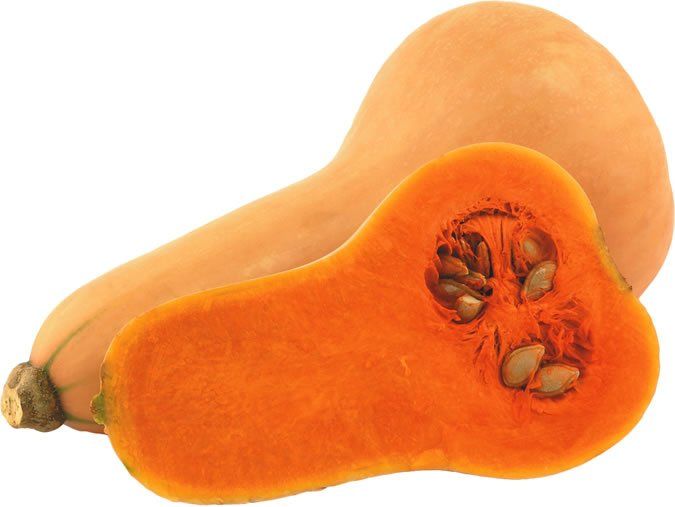
Beyond Pumpkin: Harvest the Health Benefits of Winter Squash
This seasons culinary and cultural spotlight shines on the pumpkin, but the jack-o-lanterns less-celebrated cousins-winter squash-are also at their peak of flavor and nutrition. Like the pumpkin, butternut, acorn and other winter squash are technically fruits, but are consumed more like vegetables. Though they vary by species, winter squash are at least as nutritious as pumpkin and deliver more nutrients than summer varieties like zucchini. Its no wonder the pre-Colombian Native Americans who first cultivated winter squash buried them with their dead to provide nourishment for the journey to the afterlife.

Extra Magnesium May Boost Your Physical Performance
Getting more magnesium might help you maintain mobility as you age. A new Italian randomized trial reports that daily supplementation with 300 milligrams of magnesium improved physical performance in older women. Among the benefits was a faster gait speed-a key factor in diagnosing sarcopenia, the frailty associated with loss of lean muscle mass in aging.
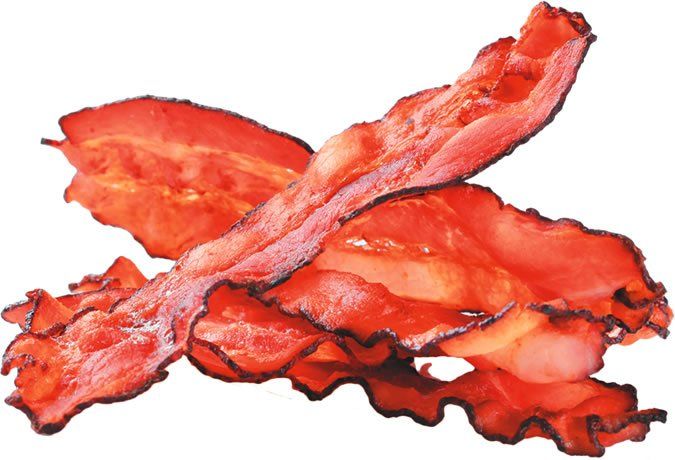
Special Supplement: The Latest on Facts: Facts vs. Fads
For a nation that not so long ago buried itself in the low-fat craze, America has seen quite a turnaround in its attitudes toward dietary fat-especially saturated fat. Given permission to indulge by the Atkins fad and a recent meta-analysis questioning the link between saturated fat intake and cardiovascular disease (see the June 2014 newsletter), weve loaded up our plates. This summer, wholesale prices of butter and bacon both hit record highs in response to surging consumer demand.
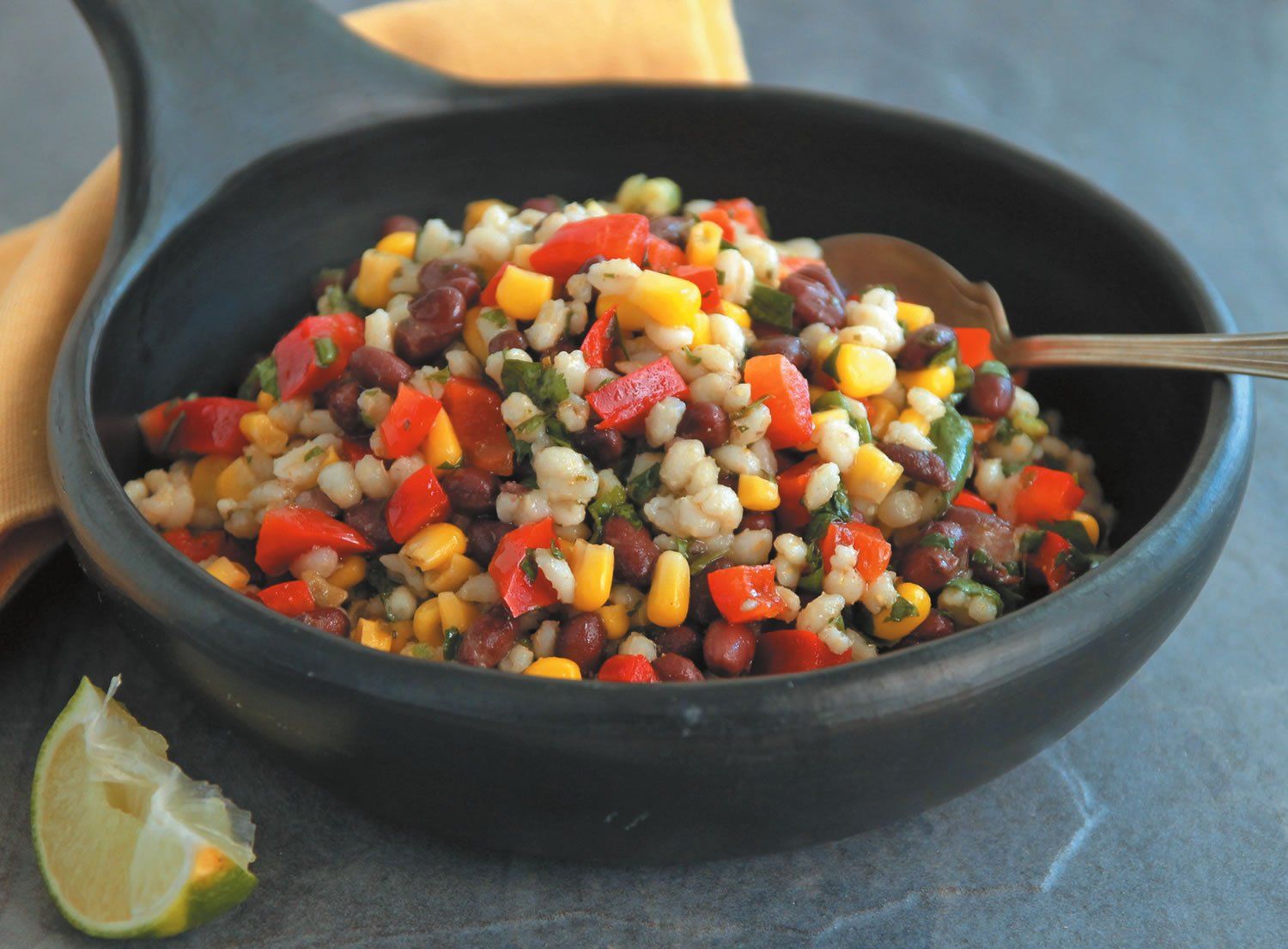
Multi-Color Black Bean & Barley Salad
Packed with vibrant colors and contrasting textures, this naturally nutrient-dense salad makes a tasty, nutritious, and economical summer side dish.
Most Belong to Clean-Plate Club
If you grew up being taught to clean your plate-and still mostly follow that motherly admonition-youre not alone. A new analysis of 14 studies on portions and consumption habits finds that US adults eat almost 92% of the food we put on our plates. And the drive to eat everything on your plate isnt just an American habit: Researchers found almost identical patterns in Canada, France, South Korea, Taiwan, Finland and the Netherlands.