












Consumers Like Organic, Even If Confused on Meaning
A new survey finds 84% of US consumers say they sometimes buy organic foods, and 45% buy organic at least once a month. But the survey of 1,016 adults, conducted by Opinion Research Corp. for Consumer Reports, also turned up some consumer confusion over what exactly that USDA organic certification means. Fewer than half, for example, knew that the organic seal on poultry or eggs means that the chickens went outdoors and had a certain minimum amount of living space. (Nearly two-thirds, however, thought organic should signify such requirements.) And 20% reported buying organic fish, even though the USDA has no such standard; nearly all (92%) said the agency should have guidelines for organic fish.
Foodborne Illness Rates Little Changed
Were not exactly winning the war on foodborne illnesses, but at least last year we battled to a draw. According to a new report from the Centers for Disease Control and Prevention (CDC), rates for illness and hospital admissions in 2013 were down marginally from 2012. Deaths were up slightly, based on laboratory-confirmed infections caused by nine pathogens at 10 US sampling sites. Looking at specific pathogens, salmonella cases were down but still accounted for the most infections; only campylobacter, mostly from poultry and raw milk, came close. The sharpest increase, though still a small percentage of total cases, came from vibrio, a bacterium found in raw shellfish such as oysters; warmer coastal waters may be to blame, CDC experts said.
Review: Menu Calorie Counts Not Enough
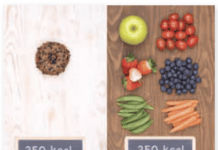
Even as larger restaurant chains are adding calorie labels to their menus, as required by the Affordable Care Act, a review of the evidence cautions that those numbers alone may not change consumer behavior. The review of 31 studies, published in the Journal of Community Health, concluded that the best-designed studies show that calorie labels do not have the desired effect in reducing total calories ordered. Women, dieters and upper-income diners paid the most attention to restaurant calorie numbers, but overall the impact was negligible. It may be the case that calorie labeling alone is not sufficient to modify consumer behavior in the desired direction, researchers wrote. Other presentation formats, including color coding, physical activity equivalents and healthy logos or traffic lights, might prove more successful, they added.
New Evidence Links Fruits and Vegetables to Longevity
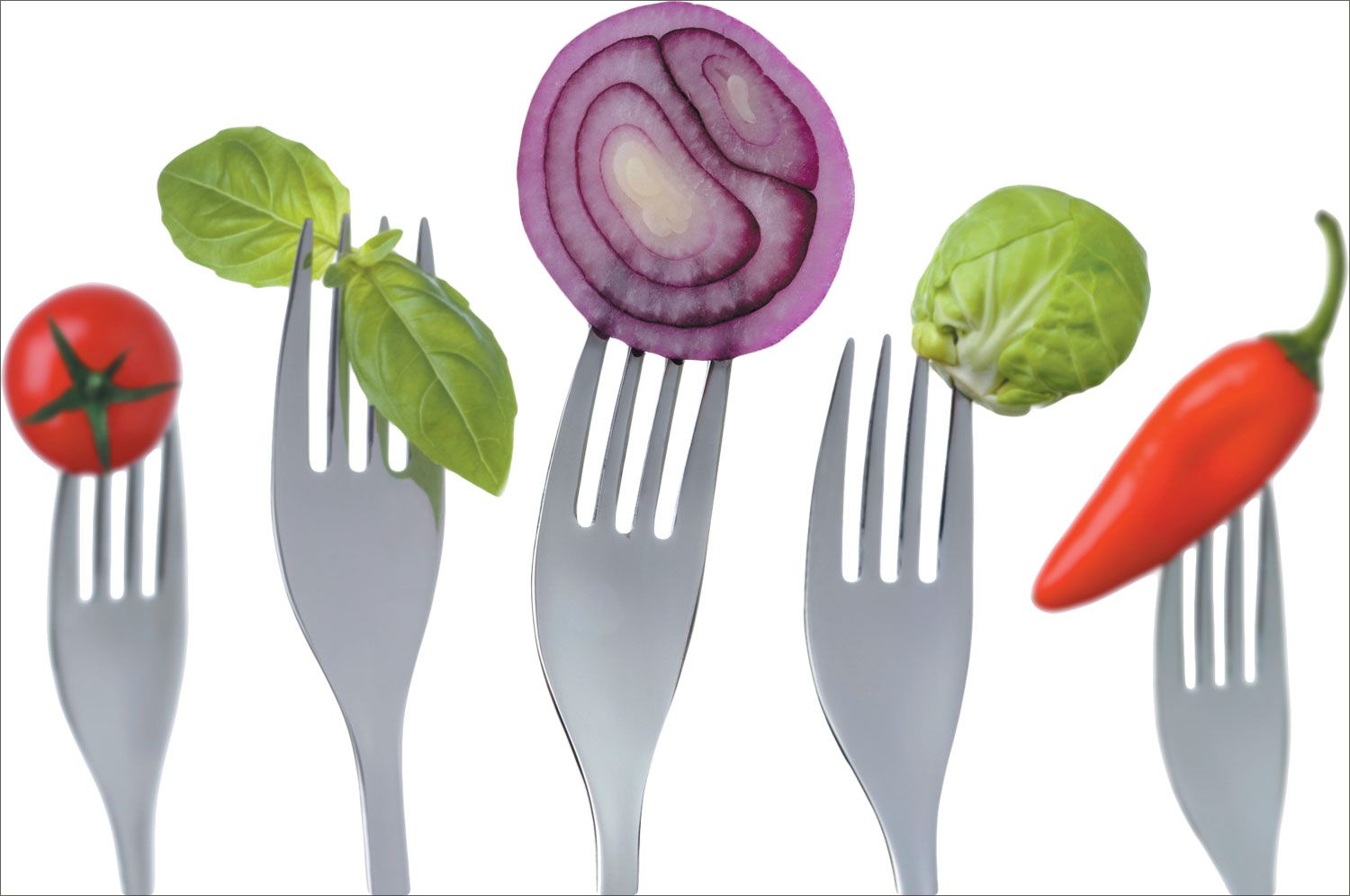
If youve been trying to follow the advice to eat five servings of fruits and vegetables a day, two new studies might inspire you to try harder-and to aim for even more daily produce. Both studies found even greater benefits from consuming more than five daily servings of fruits and vegetables.
Q. Are dried fruits as nutritious as fresh, canned or frozen?
Q. Are dried fruits as nutritious as fresh, canned or frozen?
Natural Label Still Popular
A slew of lawsuits-58 in 2013 alone-hasnt persuaded the food industry to jump off the natural-labeling bandwagon. Some experts had predicted that fear of legal action over the vague definition of natural might deter companies from using the term, which has been challenged in products using genetically modified (GMO) ingredients or high-fructose corn syrup, for example. But Mintel, which tracks global product launches, reports that 14% of new food products introduced in the US last…
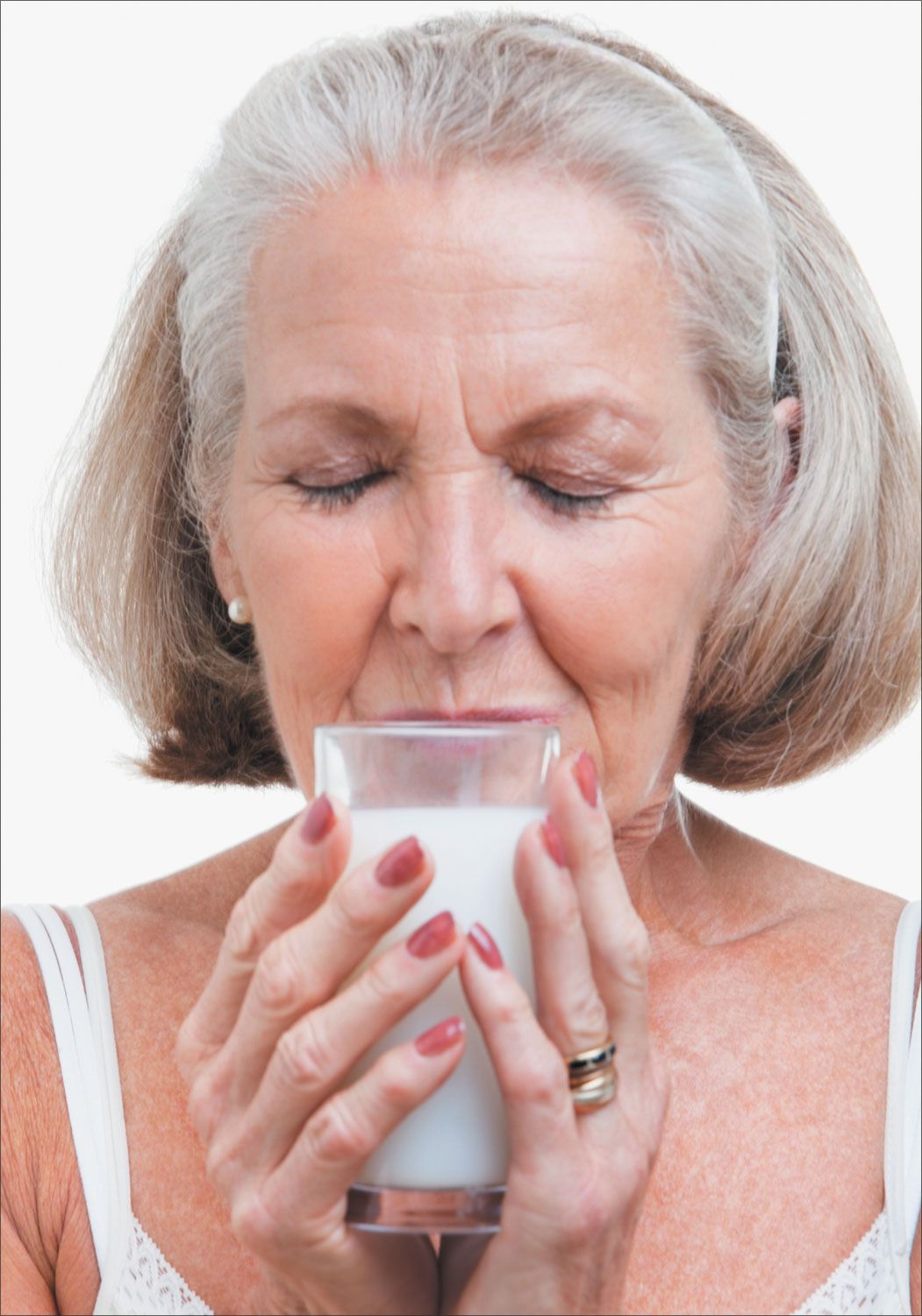
Calcium and Vitamin D May Benefit Cholesterol as Well as Bones
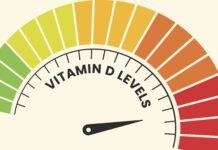
If youre taking extra vitamin D or calcium to protect your bones, theres good news about these bone-building nutrients and your cholesterol levels. According to a new analysis of data from the Womens Health Initiative (WHI), supplements of vitamin D and calcium might modestly improve your cholesterol numbers. Previous studies of calcium and cholesterol had produced inconsistent results, while little was known about vitamin Ds effects.

Protein Plus Exercise Equals Less Muscle Loss with Aging
Most Americans get plenty of protein-in fact, their problem isnt too little protein but too much of the calories and saturated fat that accompany such popular protein sources as cheeseburgers or fried chicken. But people over age 50 might need to pay attention to getting adequate protein, not just at dinner time but throughout the day. Tufts researchers are finding that a steady intake of protein from healthy sources, combined with aerobic activity and weight-training exercises, can help counter the loss of muscle mass often associated with aging.
Q. Is oat bran as good as oatmeal for nutrition value?
Q. Is oat bran as good as oatmeal for nutrition value?
The Heart-Brain Blood Supply
Just like every other organ and tissue in the body, the brain needs oxygen and nutrient-rich blood to function properly. Because the brain is so crucial to the bodys survival, it receives a disproportionate amount of blood. Though it takes up only about 2 percent of the bodys weight, the brain receives 15 to 20 percent of the bodys entire blood supply, and 25 percent of its oxygen supply. The body will deprive other parts of the body of blood to ensure that the brain has what it needs.
The heart feeds the brain by sending blood through vessels both on the surface of the brain and deep inside it. Two pairs of arteries branching out from the aorta-the internal carotid arteries and vertebral arteries-supply the brain with blood. Carotid arteries send blood to the front of the brain, and vertebral arteries send blood to the back of the brain.
Blood flow into the brains tissues is a bit different than it is in other parts of the body. Elsewhere in the body, nutrients, oxygen and waste products can move freely in and out of the capillaries. This is not true in the brain. The brain has its own checkpoint, the blood-brain barrier, a semi-permeable system that lets only certain substances pass into the brain. This barrier protects the brain against viruses, toxins, hormones, and other substances in the blood that might harm the brains delicate tissues.
Considering how essential nutrient-rich blood is to the brains function, any disruption in blood flow can pose a serious risk. A blockage in the brains blood supply from a clot either in the brain or from elsewhere in the body is called a stroke. A stroke deprives the affected part of the brain of oxygen. Without oxygen, the brains cells will die. If too many brain cells die, thought and virtually every other function will come to a halt. Two primary risk factors for stroke are high blood pressure and heart disease, which illustrates the close relationship between heart and brain health.
For more information on the connection between the heart and brain, purchase Heart-Brain Diet: Essential Nutrition for Healthy Longevity by Tufts Medical Report.
The heart feeds the brain by sending blood through vessels both on the surface of the brain and deep inside it. Two pairs of arteries branching out from the aorta-the internal carotid arteries and vertebral arteries-supply the brain with blood. Carotid arteries send blood to the front of the brain, and vertebral arteries send blood to the back of the brain.
Blood flow into the brains tissues is a bit different than it is in other parts of the body. Elsewhere in the body, nutrients, oxygen and waste products can move freely in and out of the capillaries. This is not true in the brain. The brain has its own checkpoint, the blood-brain barrier, a semi-permeable system that lets only certain substances pass into the brain. This barrier protects the brain against viruses, toxins, hormones, and other substances in the blood that might harm the brains delicate tissues.
Considering how essential nutrient-rich blood is to the brains function, any disruption in blood flow can pose a serious risk. A blockage in the brains blood supply from a clot either in the brain or from elsewhere in the body is called a stroke. A stroke deprives the affected part of the brain of oxygen. Without oxygen, the brains cells will die. If too many brain cells die, thought and virtually every other function will come to a halt. Two primary risk factors for stroke are high blood pressure and heart disease, which illustrates the close relationship between heart and brain health.
For more information on the connection between the heart and brain, purchase Heart-Brain Diet: Essential Nutrition for Healthy Longevity by Tufts Medical Report.