






















What Do Those Food-Label Terms Really Mean?
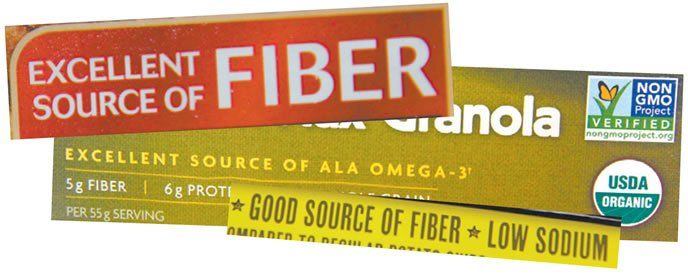
A trip to the supermarket can feel like running a gauntlet of buzzwords. This product promises its reduced sodium, while that one is natural and gluten-free. Is a food made with extra fiber better than excellent source of fiber, or vice versa? Just how low in calories does a food have to be to boast that its low-calorie-and should you pick that label over one thats lower calorie or light?

Vice Beating Virtue in the Snack Aisle
Americans are snacking more than ever, and for the first time in years the trend favors indulgent over healthier snacks. Data from market-research firm IRI showed sales for indulgent snacks rose 3.1% in 2014 compared to the previous year, while healthier snack choices rose only 2.5%. IRI reported that 59% of consumers say they indulge when they snack, with splurges on fatty, salty and sugary snacks such as jerky, baked goods and the fast-growing category of refrigerated meat and cheese wraps. The firm attributed the trend to efforts by food marketers to make indulgent snacks more permissible by making claims about fiber content, energy benefits and natural and hormone-free products.
Cooking Shows: Recipe for Weight Gain?
Emeril Lagasse and Bobby Flay may not know best, at least when it comes to your waistline. If you try to emulate your favorite celebrity chefs, according to findings in the journal Appetite, those cooking shows may be making you fat. Cornell University researchers reported that women who get their recipes from TV cooking programs and cooked from scratch weighed an average 11 pounds more than those who watched but didnt follow up in the kitchen. (Most studies show people who cook from scratch are less likely to be overweight.) Cooking recipes from TV shows was also associated with a higher BMI, 27.48 versus 25.66, among the studys 501 women, ages 20-35. Cooking from scratch with recipes sourced from print or online, however, was not associated with greater weight or BMI.
New Peanuts Profile More Like Olive Oil
Consumers looking for more of the healthy monounsaturated fats found in olive oil may soon be able to reach for a handful of peanuts. USDA and Oklahoma State University scientists have cultivated a new Spanish peanut variety, dubbed OL, that is high in oleic acid, the monounsaturated fat touted in the so-called Mediterranean diet. The new peanut, which will go into commercial production later this year, also has a longer shelf life and is resistant to Sclerotinia blight, a soilborne fungal disease blamed for crop losses of up to 50% in some areas. About half the fat in regular peanuts is monounsaturated, primarily oleic acid; previously developed high-oleic varieties have boosted that to over 80%. (For more on peanuts health benefits, see story in this issue.)
Apples No Substitute for Health Insurance
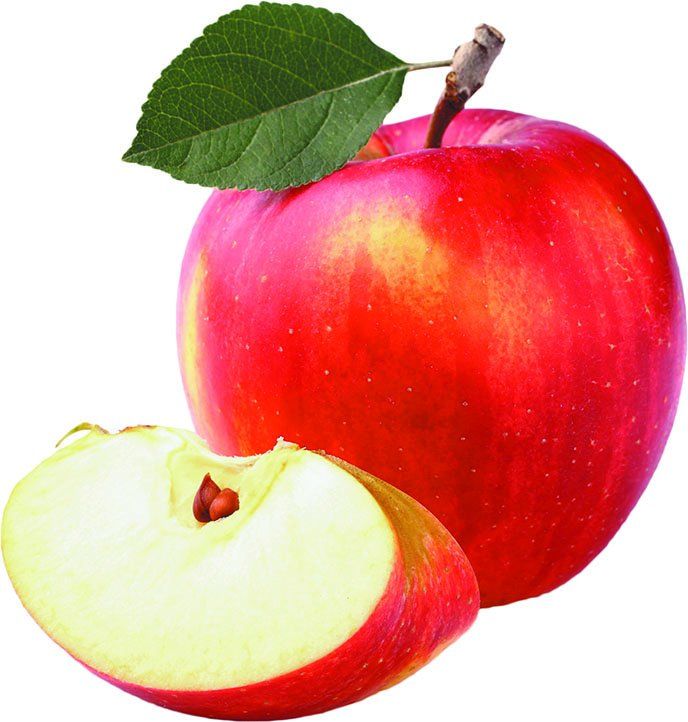
An apple a day doesnt really help keep the doctor away, according to research in a special April Fools issue of JAMA Internal Medicine. The light-hearted but genuine study looked at data from the National Health and Nutrition Examination Survey (NHANES) on almost 8,400 people. There was no significant difference between non-apple eaters and those eating at least one small apple per day in keeping the doctor away, defined as more than one self-reported visit to a physician during the past year. The same was true of overnight hospital stays and visits to a mental health professional, although apple eaters were slightly less likely to need prescription medications.For a serious look at the health benefits of apples, see our January 2013 issue.
Fast-Food Ban Made Little Difference
Banning new fast-food restaurants in some of the poorest neighborhoods in Los Angeles failed to improve residents eating habits or keep them from getting fatter, according to new research published in Social Science & Medicine. The ban, which also restricted remodeling of fast-food eateries, was enacted in 2008 in hopes of combating obesity and improving health outcomes among South Los Angeles 700,000 residents. But the only subsequent improvement in consumption patterns-a drop in soft-drink intake-was seen as well in areas without the ban. Overweight and obesity rates actually increased more in the regulated neighborhoods, and consumption of fast food rose regardless of the rules. The chief effect of the regulations was to shift retail developments from fast-food franchises to small food and convenience stores. While the ban may have symbolic value, researchers concluded, it has had no measurable impact on improving diets or reducing obesity.
What Can Yogurt Do for You?
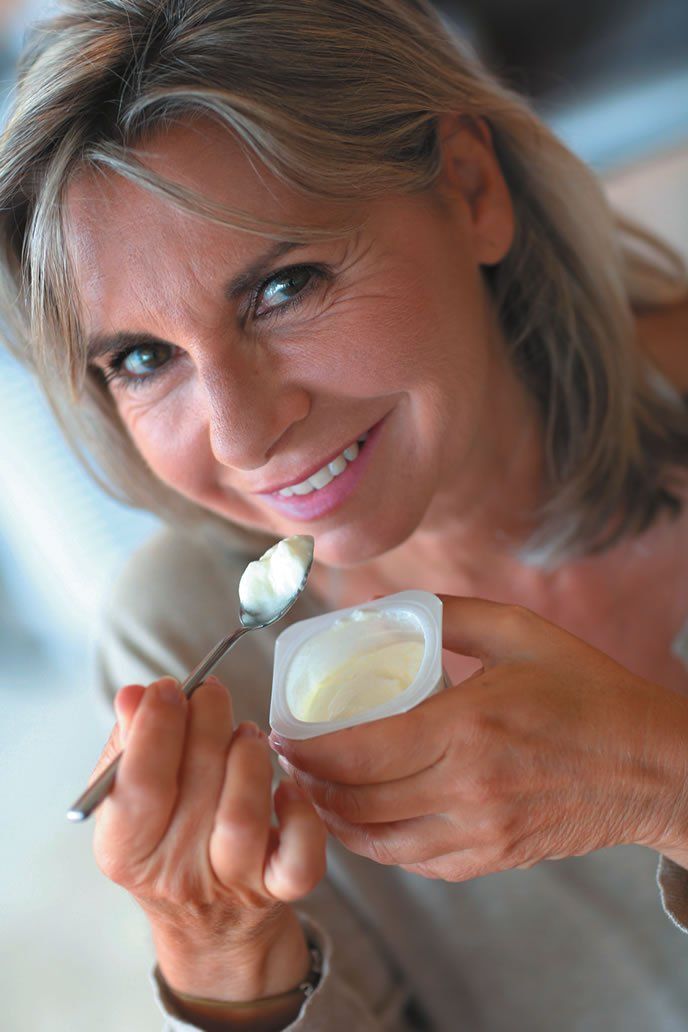
Americans consume more than $7 billion a year worth of yogurt, with hundreds of new yogurt products introduced annually. In survey after survey, consumers say the healthfulness of yogurt is top among the reasons they eat it.
New Evidence Your Heart Loves Nuts
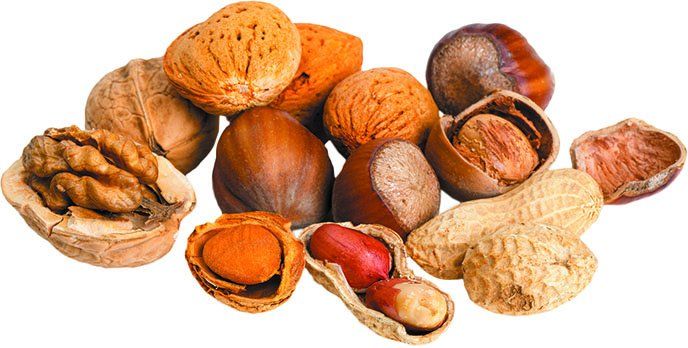
If you grew up thinking of nuts as a not-very-good-for-you indulgence, theres a growing pile of evidence that should change your mind about these healthy foods. For a long time, consumers thought that coffee raises blood pressure, eggs cause heart disease, chocolate is an unhealthy treat, and nuts make you fat, says Jeffrey Blumberg, PhD, director of Tufts HNRCA Antioxidants Research Laboratory. However, such conclusions were often based on very little science and several mistaken assumptions. The latest news in nuts rehabilitation comes from two studies spotlighting the heart-health benefits of almonds and peanuts.
Could Choice of Alcoholic Beverage Affect Arthritis Risk?
Wine drinkers may be less likely to develop osteoarthritis of the knee, while drinking beer is associated with greater risk of osteoarthritis in both the knee and hip. Writing in Arthritis Research & Therapy, British researchers reported those findings from an analysis of nearly 3,000 participants in the Genetics of OA and Lifestyle study.But dont change your drinking preferences based on this study alone. The interpretation of these observations is complicated by the relatively weak nature of evidence from the retrospective case-control study design used by the studys authors along with the lack of supporting evidence in the literature for this relationship, says Paul F. Jacques, DSc, director of Tufts HNRCA Nutritional Epidemiology Program.

5 Things the Nations Nutrition Experts Want You to Know Now
Yes, eggs are back on the menu, and not only is it OK to wash them down with a cup of coffee (watch the cream and sugar), it may even be good for you. On the other hand, you should cut down on added sugars. But those headlines from the recently released report of the Dietary Guidelines Advisory Committee (DGAC) arent the most important takeaway from the every-five-years review of scientific evidence. That should be the importance of a healthy overall dsietary pattern.
Tufts professor Alice H. Lichtenstein, DSc, who served as vice-chair of the committee, also warns not to confuse the experts report with the official Dietary Guidelines for Americans. The committee was tasked with writing a report that summarized the scientific evidence for use by the secretaries of agriculture and health and human services to formulate the 2015 Dietary Guidelines, she explains. Our task was not to make recommendations, but to identify critical issues and present the data on the topic.
Lichtenstein and a fellow professor at Tufts Friedman School, Miriam Nelson, PhD, have been meeting with 12 colleagues since June 2013 to develop the report. Tufts Tim Griffin also served as a consultant to the committee on sustainability. The US Department of Agriculture and Department of Health and Human Services are expected to follow up on their work by issuing the updated official Dietary Guidelines by years end.
Given the caveat that the experts 571-page report isnt the last word, what would these nutrition experts like you to know about the latest evidence? Here are five key points:
Tufts professor Alice H. Lichtenstein, DSc, who served as vice-chair of the committee, also warns not to confuse the experts report with the official Dietary Guidelines for Americans. The committee was tasked with writing a report that summarized the scientific evidence for use by the secretaries of agriculture and health and human services to formulate the 2015 Dietary Guidelines, she explains. Our task was not to make recommendations, but to identify critical issues and present the data on the topic.
Lichtenstein and a fellow professor at Tufts Friedman School, Miriam Nelson, PhD, have been meeting with 12 colleagues since June 2013 to develop the report. Tufts Tim Griffin also served as a consultant to the committee on sustainability. The US Department of Agriculture and Department of Health and Human Services are expected to follow up on their work by issuing the updated official Dietary Guidelines by years end.
Given the caveat that the experts 571-page report isnt the last word, what would these nutrition experts like you to know about the latest evidence? Here are five key points: