
























Big Apple Flags Restaurant Salt
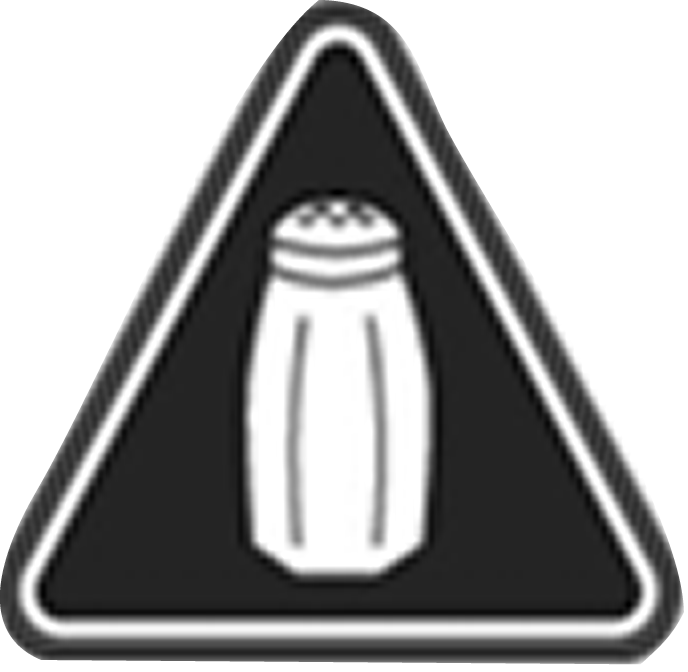
In New York City, Mayor Bill de Blasio unveiled a plan that would require many chain restaurants to attach a menu saltshaker icon (pictured) to any dish exceeding 2,300 milligrams of sodium-the entire days limit in a single meal. New York would become the first US city to adopt such a rule. Examples of dishes that exceed the 2,300-milligram level include Applebees chicken-fried steak (3,240 milligrams), TGI Fridays Jack Daniels Ribs (3,220 milligrams) and KFCs Famous Bowl (2,350 milligrams). By setting the bar so high, however, some experts noted the cautionary icon would not be required for items that nonetheless contain more than half a days sodium, such as McDonalds bacon and cheese quarter-pounder (1,380 milligrams) or Olive Gardens Florentine Rollatini with Chicken (1,510 milligrams).

Consumers Rate Food Preservatives and Chemicals as Most Harmful
Food manufacturers and franchises that are abandoning artificial preservatives and chemical additives are in sync with (or perhaps influencing) Americans attitudes, according to a new survey by CivicScience. The poll of 4,200 US consumers found worries about preservatives and chemicals in food topping all other concerns, including those with stronger scientific underpinnings. While 35% cited preservatives and chemicals when asked, Which of these do you feel is most harmful to your nutritional health?, only 15% said saturated fat and 13% said total sugar. Those were followed by sodium (9%), added sugar (8%), GMOs (7%) and carbs (4%). Another 9% picked, I dont see any of these as harmful to my health.
Are Raw Onions More Nutritious Than Cooked Onions?
Onions are nothing to cry over. These flavorful bulbs are an excellent source of healthful chemicals: vitamin C, flavonoids, antioxidants, and sulfur compounds. Onions are nutrient powerhouses, whether eaten cooked or raw; however, raw onions have higher levels of sulfur compounds.
Q. Ive read in your newsletter that studies suggest the protein in milk binds...
Q. Ive read in your newsletter that studies suggest the protein in milk binds to flavonoids found in berries. Since most people eat berries in the morning with cereal and milk and since berries are the priciest element in that morning meal, what other liquid other than milk might be a substitute?
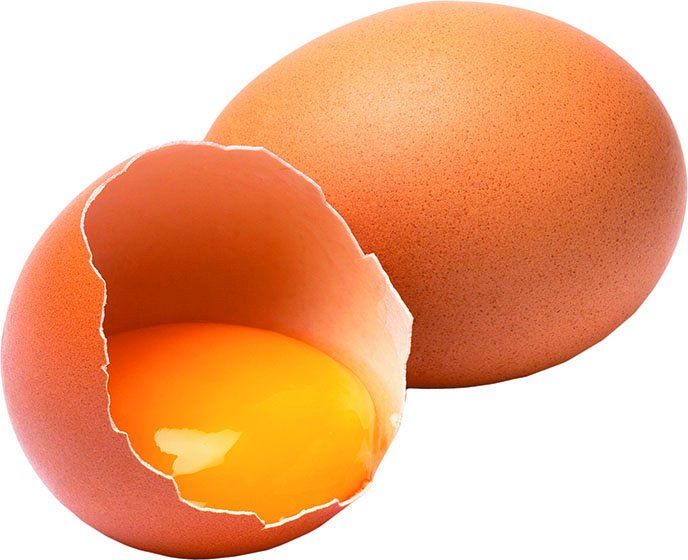
Is It OK to Put Eggs Back on Your Plate?
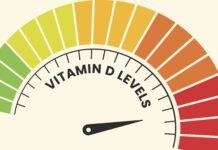
The humble egg has been on a roll lately. First, the US Department of Agriculture recalculated the amount of dietary cholesterol in a typical large egg downward-from 215 to 185 milligrams-and vitamin D upward (to 41 IU, 10% of the Daily Value). Then, earlier this year, the Dietary Guidelines Advisory Committee (DGAC) concluded, given current intakes of dietary cholesterol in the US, it was no longer necessary to recommend that most people limit dietary cholesterol to 300 milligrams daily. (See the May newsletter for details.) That limit had led many people to avoid eggs.
Smart Choices Key to Keeping Pounds Off as You Age
Popular coverage of diet and weight-loss strategies often summarizes the bottom line with a twist on President Bill Clintons campaign mantra, Its the economy, stupid. When it comes to managing your weight, as this line of thinking goes, Its the calories, stupid.But a new study published in the American Journal of Clinical Nutrition challenges this conventional wisdom. It builds on earlier work that suggests all calories are not the same, says Dariush Mozaffarian, MD, DrPH, dean of Tufts Friedman School and senior author of the study. All foods have complex mechanisms that help or hinder weight long-term. The simple math of calories in versus calories burned is true if youre testing food in a test tube. But human beings are not just inert buckets to put calories in.
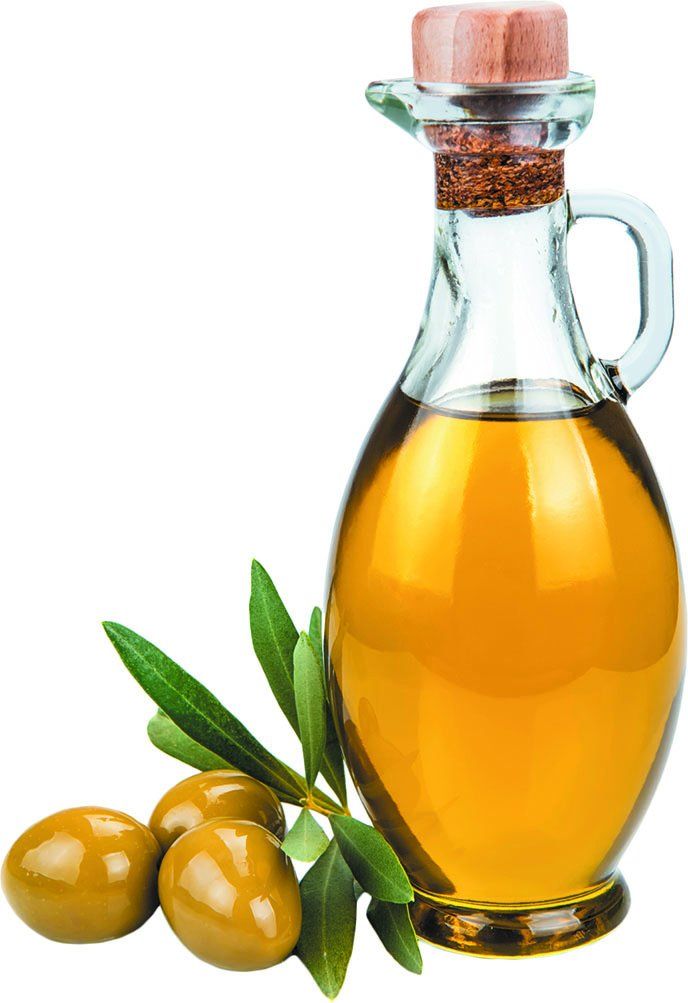
New Evidence of Brain Benefits from Following a Mediterranean-Style Diet
A newly published followup to findings from a study of the so-called Mediterranean diet adds to the evidence that such an eating pattern, especially when it includes nuts and olive oil, may help protect the aging brain. Results from a subgroup of the Spanish PREDIMED study showed that those assigned to a Mediterranean diet held steady in cognition while a control group declined. While previous observational studies have linked a traditional Mediterranean-style dietary pattern to cognitive protection, this is the first such evidence from a large randomized clinical trial.
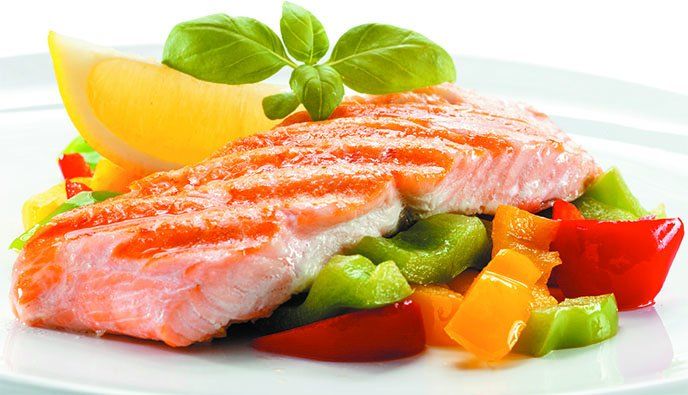
Lowest Colorectal Cancer Risk: Vegetarian Diet Plus Fish
Eating a more plant-based diet could reduce your risk of colorectal cancer-and especially so if it includes regular consumption of fish. Surprisingly, the latest findings from the Adventist Health Study-2 report that pescovegetarians-people who are otherwise vegetarians but also eat fish at least once a month-were at the lowest risk of such cancers. Adding fish to a vegetarian diet was associated with less risk than any other type of vegetarian diet, including a vegan regimen.
Which Should You Choose?
Reduced sodium or low sodium-The term reduced means a product has 25% less sodium than the same food with a normal amount, so a reduced sodium choice is better than a conventional one. But even reduced sodium foods may be higher in sodium than those labeled low sodium, which can contain no more than 140 milligrams per serving. A reduced sodium can of beans, for example, should contain 25% less than the 311 milligrams of sodium found in a serving-233 milligrams, more than the low sodium limit. Check the Nutrition Facts panel to see what youre really getting.
Meat Secrets
The USDA has specific rules governing the use of familiar terms such as fresh and free range when labeling meat and poultry products: