

















Q. How can I be sure the flour I buy is really whole wheat?
Q. How can I be sure the flour I buy is really whole wheat?
Rethinking “Healthy” Definition
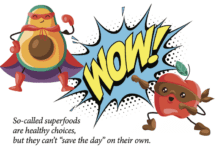
Is an avocado healthier than a sugary bowl of raisin bran? Not according to the FDA's labeling rules for "healthy" foods, which the agency recently announced it would review.
FDA Updates Nutrition Labels
After a two-year review period, the US Food and Drug Administration formally adopted changes to the Nutrition Facts panels that appear on some 800,000 food products. The updated labels will be required on products by July 26, 2018, except for small producers who will get an extra year to comply.
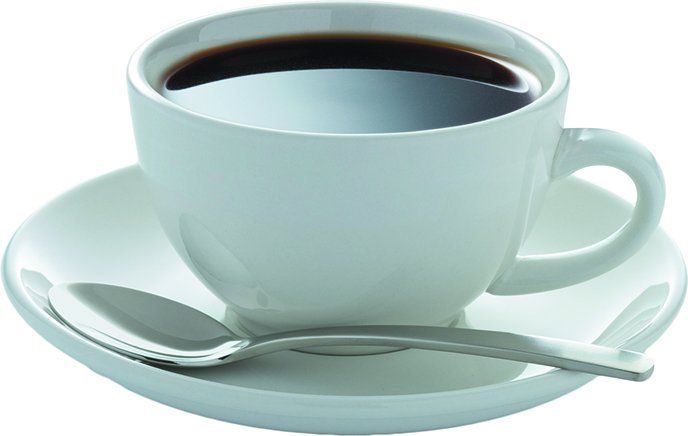
Coffee Drinkers at Reduced Odds of Colorectal Cancer
More evidence that coffee - once thought of as bad for you - is not only safe in typical amounts but might actually help protect your health comes from a new study of colorectal cancer risk. Researchers compared 5,145 patients who had been diagnosed with colorectal cancer within the past six months with a control group of 4,097 men and women with no history of the cancer. Drinking one or two cups of coffee a day was associated with a 26% lower risk of developing colorectal cancer, with risk dropping even more as consumption increased.
Table for One? Join the Crowd
If you're dining alone, you're in great company. New consumer research by the Hartman Group says that eating alone is "the new normal," as American increasingly ditch sit-down family meals for continuous snacking and "ad hoc" eating behavior.
Debunking Organics’ “Jerk Effect”
Does buying organic food really turn you into a jerk? That was the popular interpretation of a widely publicized 2013 study that linked exposure to organic food to "moral licensing" - making self-righteous consumers more judgmental and less inclined to help others. But a new attempt to replicate those findings concluded that "organic food exposure has little to no effect on moral judgments and prosocial behavior."
Keep Your Summer Picnic Food Safe
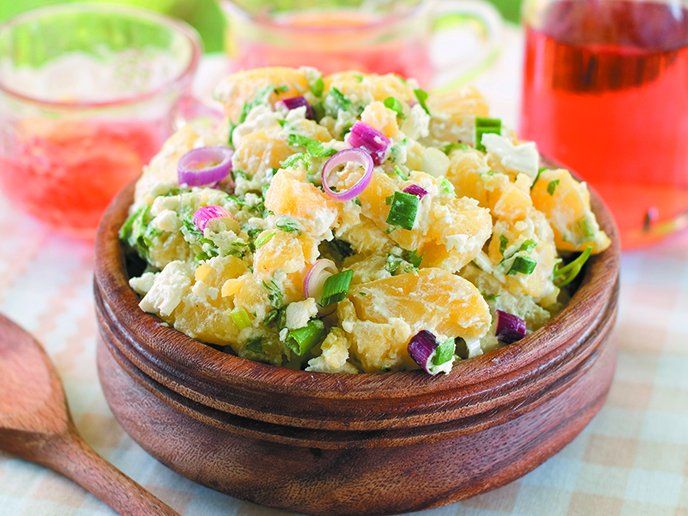
Summer is picnic and outdoor barbecue time - which also makes it prime time for foodborne illnesses. Warm, humid weather encourages the growth of bacteria, according to the US Department of Agriculture (USDA), but so can human factors such as lax outdoor sanitation and inadequate refrigeration. The combination causes foodborne illness to spike in summer months.
What is the Right Menu to Control Hypertension?
If you're worried about high blood pressure, a new systematic review of scientific evidence has good news: Changing your diet really can make a difference. Not surprisingly, the most effective diet for reducing hypertension was one designed specifically for that purpose - the Dietary Approaches to Stop Hypertension (DASH) plan. But other interventions, including cutting salt and calories, also were associated with blood-pressure benefits.
Think Before You Throw Out Healthy Food
Have you ever looked at a "sell by" or "best if used by" date on a food container, checked the calendar, and thrown out something because it had "expired"? Youre part of a $165 billion a year problem. About 40% of Americas food gets wasted, much of it because of a confusing patchwork of state laws that make people think food thats still safe to eat should be trashed.
Colorful Produce Could Help Counter “Middle-Age Spread”
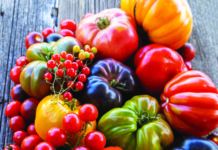
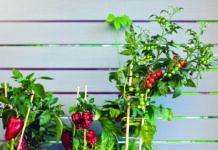
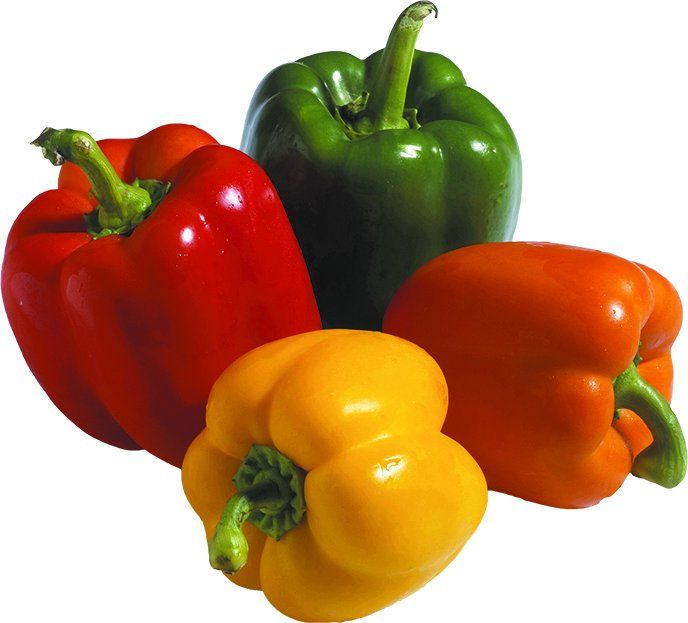
Substituting colorful fruits and vegetables such as berries, peaches and peppers into your diet could help combat the gradual weight gain with age sometimes referred to as "middle-age spread." A large new study, published in BMJ, links greater consumption of foods high in plant pigments called flavonoids to less weight gain over time.