













Extra Magnesium May Boost Your Physical Performance
Getting more magnesium might help you maintain mobility as you age. A new Italian randomized trial reports that daily supplementation with 300 milligrams of magnesium improved physical performance in older women. Among the benefits was a faster gait speed-a key factor in diagnosing sarcopenia, the frailty associated with loss of lean muscle mass in aging.
The Most Important Thing You Can Do for Your Heart
In women over age 30, a new Australian study reports, physical inactivity is the single biggest contributor to heart-disease risk. Researchers followed 32,154 women in three age groups, calculating how smoking, high blood pressure, physical inactivity and excess weight contributed to their heart risk. In younger women, smoking status was the most important factor in heart disease risk. But for women in their 70s, for example, being physically active would lower the risk almost three times as much as quitting smoking, and significantly more than losing weight or reducing blood pressure.

Exercisers May Overestimate Their Exertion Level
How hard do you exercise? Its probably not as vigorously as you think, suggests a new Canadian study published in PLOS One. Researchers tested 129 sedentary volunteers, ages 18 to 64, and found that most overestimated how intensely they were exercising. When asked to walk at the lowest intensity they thought qualified as moderate, only 25% got their heart rates high enough; most barely exceeded a leisurely stroll. Few hit 65% of their maximum heart rate (in beats per minute, 220 minus your age) when told to exercise moderately. Even fewer achieved more than 75% when instructed to amp up to vigorous exercise.
Aerobic Activity Helps Build Bigger Brains
Another study has shown that aerobic activity, such as brisk walking, boosts your brain-actually increasing the size of the hippocampus, a key part of the inner brain involved in forming, storing and processing memory. When compared to an earlier study of cognitively healthy older adults, moreover, the findings suggest that aerobic exercise offers greatest benefits to those who need it most: people with mild cognitive impairment (MCI), often a precursor to Alzheimers disease.
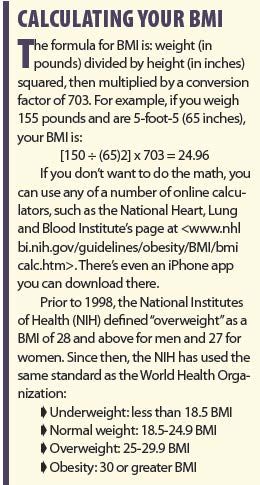
Rethinking BMI for Older Adults
If youre over 65 or approaching that age and still watching your weight, new findings suggest you may be worrying about the wrong thing. Its true that the obesity epidemic has exacted a serious toll on Americas health. But for older adults, maintaining muscle mass to ward off frailty-a condition called sarcopenia-is more important both to the length and quality of life than counting pounds. The popular Body Mass Index (BMI-see box), a calculation that combines weight and height, turns out not to be a very good predictor of health for older adults-for whom the rules about overweight may simply be different than for younger people.
Activity Levels Drop After Retirement
Plans to become more active once people have greater free time after retirement may be just that, according to a new British study. Among 3,334 men and women followed over about 10 years, those who retired during the study period showed significant declines in physical activity compared to their working years. All were employed at the studys start, but 785 subsequently retired. Researchers measured physical activity in metabolic equivalents (METS); mowing the lawn, for example,…
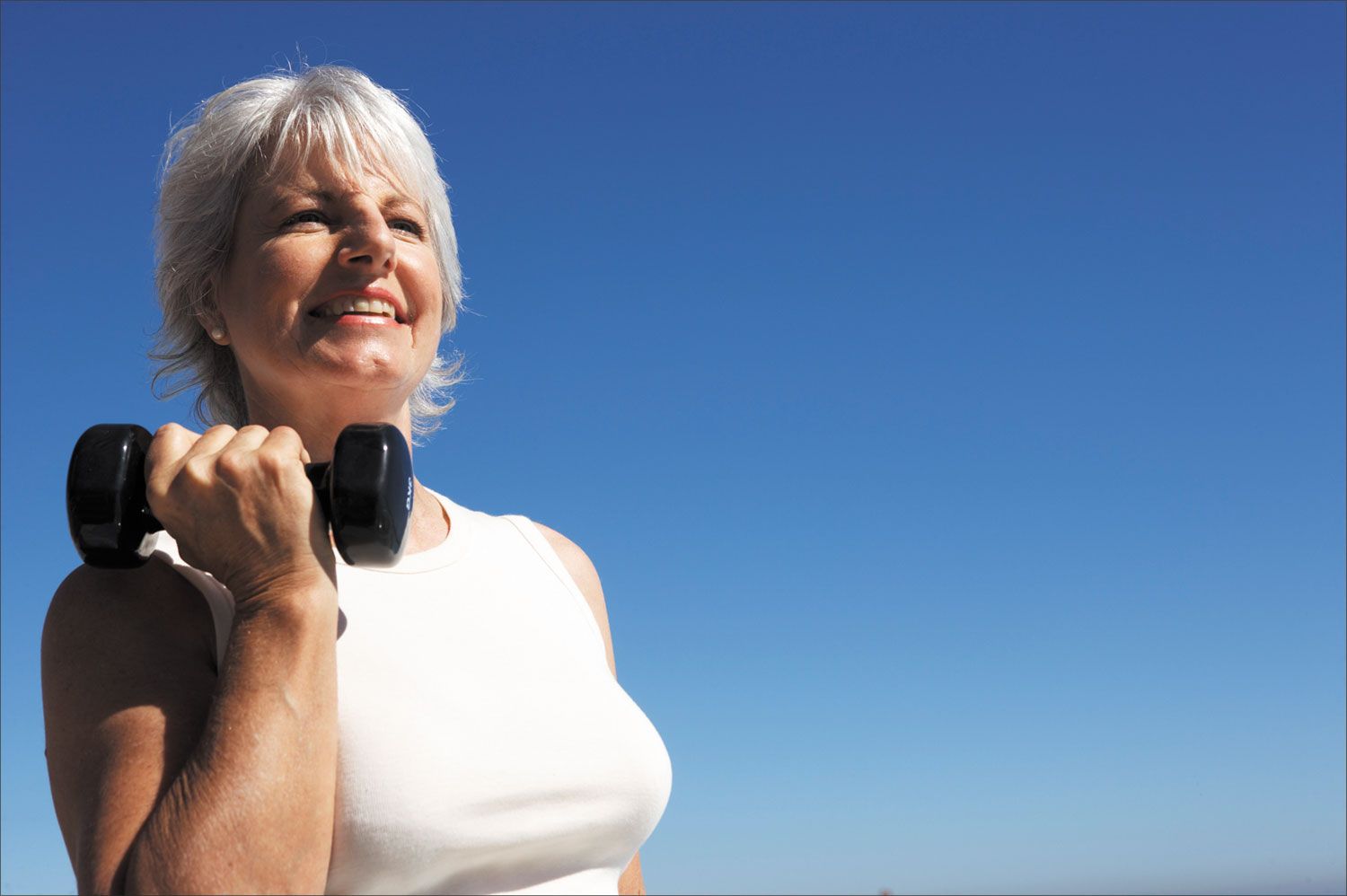
Protein Plus Exercise Equals Less Muscle Loss with Aging
Most Americans get plenty of protein-in fact, their problem isnt too little protein but too much of the calories and saturated fat that accompany such popular protein sources as cheeseburgers or fried chicken. But people over age 50 might need to pay attention to getting adequate protein, not just at dinner time but throughout the day. Tufts researchers are finding that a steady intake of protein from healthy sources, combined with aerobic activity and weight-training exercises, can help counter the loss of muscle mass often associated with aging.
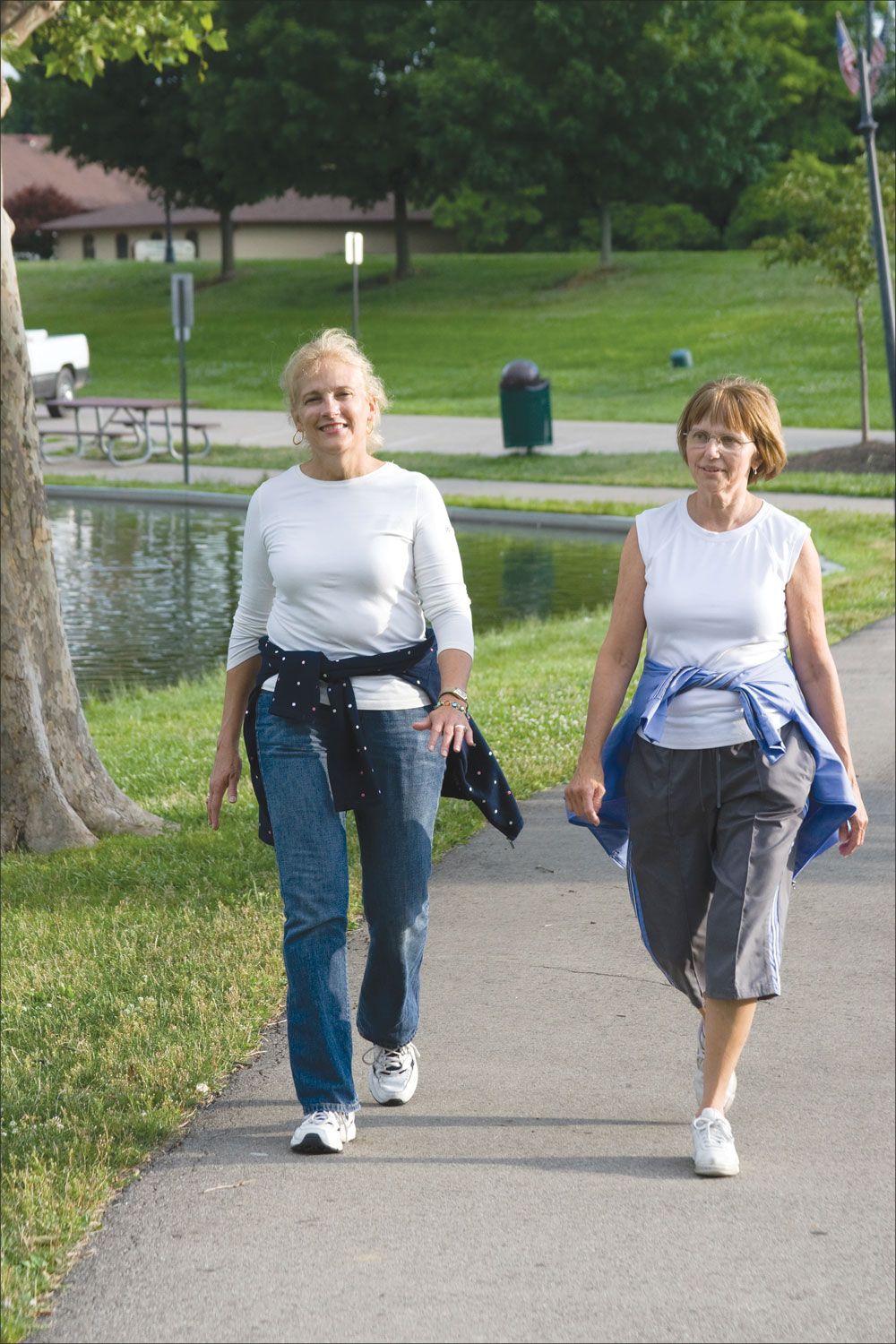
Take a Hike to Lower Your Risk of Stroke
Two new studies suggest that one simple way to reduce your risk of suffering a stroke is to lace up your walking shoes and get moving. In a British study of nearly 3,500 initially healthy men ages 60-80, those who spent time walking were less likely to suffer a stroke, with risk declining as walking time increased. In another new finding, reported at a conference, women who walked or engaged in other moderate-intensity exercise were 20% less likely to suffer a stroke.
Q. I heard that if you exercise on an empty stomach, you will defeat...
A. Miriam E. Nelson, PhD, professor at Tufts Friedman School and author of the Strong Women series, replies: You might be hungry, but exercising on an empty stomach wont change what overall fuels your body is using.…
Food Companies Exceed Calorie-Cutting Goal
Since 2007, 16 of the nations leading food and beverage companies have cut 6.4 trillion calories out of the American diet-equivalent to 78 daily calories per person. Thats the conclusion of a report by the Robert Wood Johnson Foundation, which worked with the companies to help combat childhood obesity.