



















Brief Walks May Counter Health Dangers of Too Much Sitting
Multiple studies have warned about the health risks of sitting too much. Hours spent sitting, whether at desks or in front of the television, have been linked to increased odds of cardiovascular disease, type 2 diabetes and kidney problems. But modern life can make it difficult to stay out of chairs, and alternatives such as standing desks dont appeal to everyone.
Smart Choices Key to Keeping Pounds Off as You Age
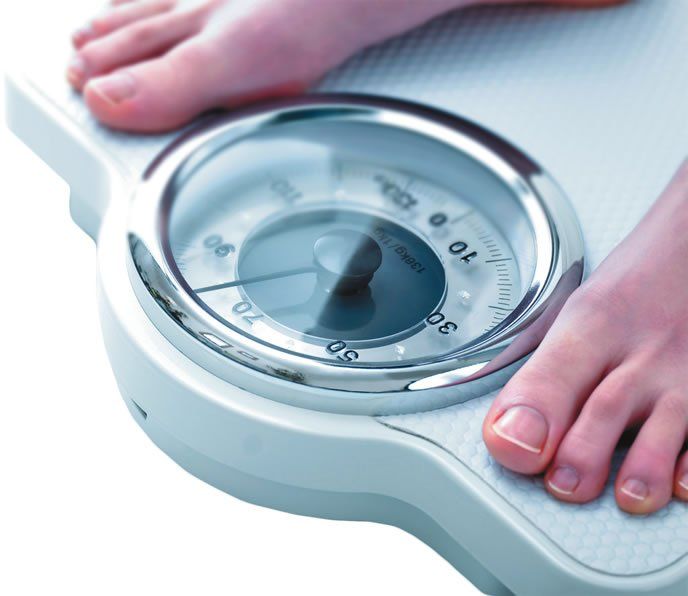
Popular coverage of diet and weight-loss strategies often summarizes the bottom line with a twist on President Bill Clintons campaign mantra, Its the economy, stupid. When it comes to managing your weight, as this line of thinking goes, Its the calories, stupid.But a new study published in the American Journal of Clinical Nutrition challenges this conventional wisdom. It builds on earlier work that suggests all calories are not the same, says Dariush Mozaffarian, MD, DrPH, dean of Tufts Friedman School and senior author of the study. All foods have complex mechanisms that help or hinder weight long-term. The simple math of calories in versus calories burned is true if youre testing food in a test tube. But human beings are not just inert buckets to put calories in.
How Much Exercise Is Enough?
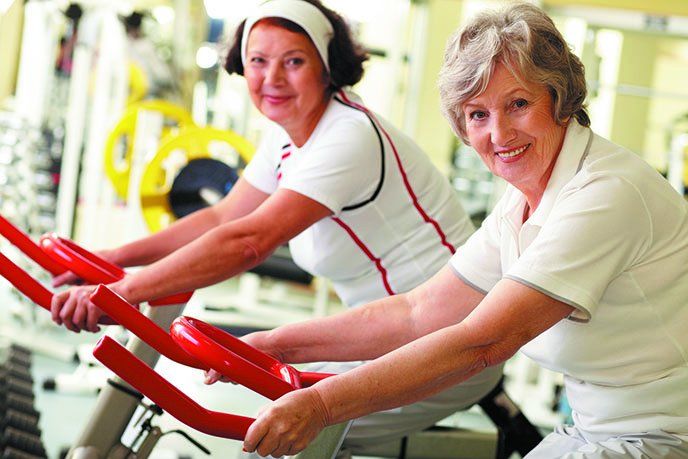
Nobody questions the health benefits of even just a little exercise, but you may wonder about what might be called the Goldilocks question: How much physical activity is just right? And is it possible to get too much or to overdo the intensity? Two large new studies, both published in JAMA Internal Medicine, attempt to answer such questions and identify the sweet spot of the ideal amount of exercise.

Wearable Device Calorie Counts Miss the Mark
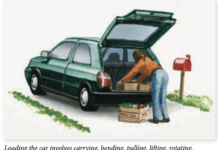
How accurate are the calorie counts for various activities measured by wearable devices such as the popular Fitbit? Recent research in the Journal of Physical Activity & Health reported that such gizmos can over- or underestimate the energy expenditure of specific tasks by hundreds of calories. The study compared the results from a classic Fitbit, which was worn on an elastic band around the waist, to the numbers from a standard laboratory calorie-expenditure system (Oxycon).For a jogging test, the calories burned according to the Fitbit were 18 short of those counted by the Oxycon system. On a test of one hour of cycling, the Fitbit underestimated calorie expenditure by 177. Conversely, the Fitbit overestimated the calories used in carrying groceries. The algorithm used in calculating calorie usage could be responsible for the difference, scientists said, along with variations in the placement of the Fitbit, which nonetheless can be useful for counting steps.

Are You Keeping Your Brain in Shape?
Physical activity helps preserve mobility and motor skills as you age-and not just by keeping your muscles in shape. A new study suggests that activity also maintains mobility by protecting your brain. Even in people with signs of brain aging called white matter hyperintensities (WMH) associated with movement issues, being more active seemed to allow the brain to compensate.

Staying Highly Fit Slows Signs of Aging
Older people who are highly fit, such as recreational cyclists, are physiologically more similar to young people than to more sedentary seniors. Thats the conclusion of a new British study that sought to explore the effect of physical activity on key indicators of aging. As one scientist put it, Being physically active makes your body function on the inside more like a young persons.
Take Charge!
Engaging in enough daily physical activity to burn about 100 calories can be the difference between a high-risk sedentary lifestyle and being moderately inactive. Of course, youll want to aim for a greater level of activity over time, but just getting going can pay big dividends. Here are examples of activities that burn about 100 calories, depending on your weight, in about 20 minutes:
Activity Benefits Go Beyond Weight Loss
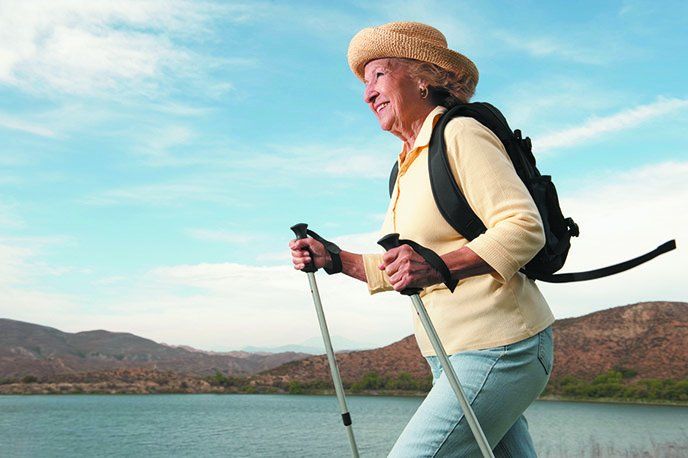
If youre looking for motivation to get up off the couch, the results of a large new European study may be just what you need to lace up those walking shoes. Even a moderate amount of exercise-the equivalent of a daily brisk 20-minute walk-was associated with significant reductions in mortality risk. Physical activity contributed to longevity independently of weight loss, and the biggest potential benefits were seen simply by going from completely sedentary to moderately inactive.
Get Fit Now to Keep Your Brain Sharp Later
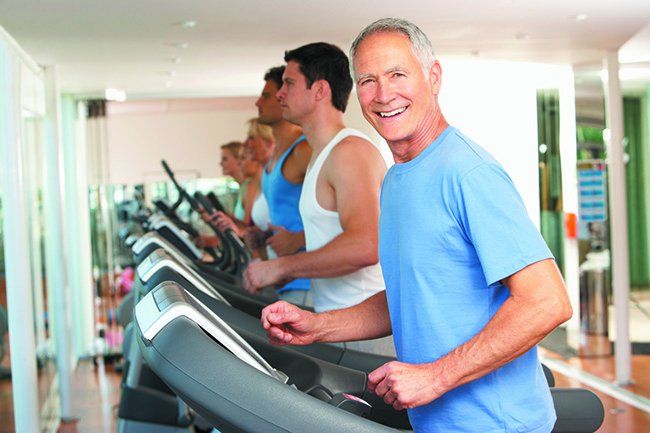
A new study reports that the more physically fit you are when youre younger, the more likely you are to keep your brain sharp as you get older. But theres also good news for those who slacked off in their youth: Even starting to get more fit now might still improve your cognitive health.
What you need to know about physical activity and cognitive health
If you want to keep your brain sharp, get moving. The evidence that physical activity-even just brisk walking, gardening or household chores-contributes to cognitive health is even stronger than the associations between nutrition and cognition.