








Q: “I’ve heard bone loss speeds up as we age. Can food help me keep my bones strong?”
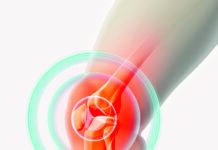
A: Bess Dawson-Hughes, MD, a leading bone health expert at the Human Nutrition Research Center on Aging, answers: “It’s true—once we hit 50, our bones need a little extra care. For women, the drop in estrogen after menopause can accelerate bone loss dramatically. For men, it’s a slower but steady decline, often linked to lower testosterone and reduced calcium absorption. The result? Increased risk of osteoporosis and fractures in both sexes. The good news is, what you eat can make a big difference!”
“Calcium remains the cornerstone of strong bones. Adults over 50 need 1,000 to 1,200 milligrams (mg) per day, ideally from food sources like dairy, leafy greens (like bok choy or kale), canned sardines or salmon with bones, or fortified plant milks. But calcium doesn’t work alone.
“Vitamin D is essential for helping your body absorb calcium. As we age, our skin becomes less efficient at making vitamin D from sunlight, so diet matters more. Look to fortified dairy or cereals, salmon, or a supplement if needed to meet the recommended 1000 milligrams (mg) per day for individuals 14 to 50 and 1,200 mg for those 51 and over.
“Protein also plays a role in bone health. While it’s often linked to muscle, protein is just as important for maintaining bone strength—especially as we age. In older adults, getting enough protein (> 0.8 g/kg/day) is associated with higher bone mineral density and slower bone loss—as long as calcium and vitamin D
needs are also met. Greek yogurt, tofu, eggs, beans, and poultry are all great options to work into meals.
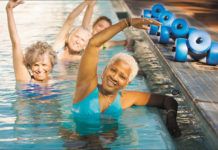
“Don’t forget supporting nutrients like magnesium (found in nuts, seeds, and whole grains) and vitamin K (leafy greens again!). Both help regulate how your body uses calcium. The bottom line? Bone health isn’t just about taking a calcium supplement. A nutrient-rich dietary pattern (paired with physical activity, as we discussed in last month’s issue) can keep your bones strong—and keep you feeling your best.”
John Leung, MD is an adjunct associate professor at Tufts Friedman School of Nutrition Science and Policy and the Department of Public Health & Community Medicine. Dr. Leung is a fellow of both the American Gastroenterological Association and the American College of Allergy, Asthma, & Immunology.
