

























You may have come across products like alkaline water or “acid-busting” diets that say they can help with weight loss, reduce inflammation, and/or improve hydration, digestion, and bone health by “balancing pH levels” in the body. Like many health trends, this one is rooted in fact but branches out into unsubstantiated or incorrect territory.
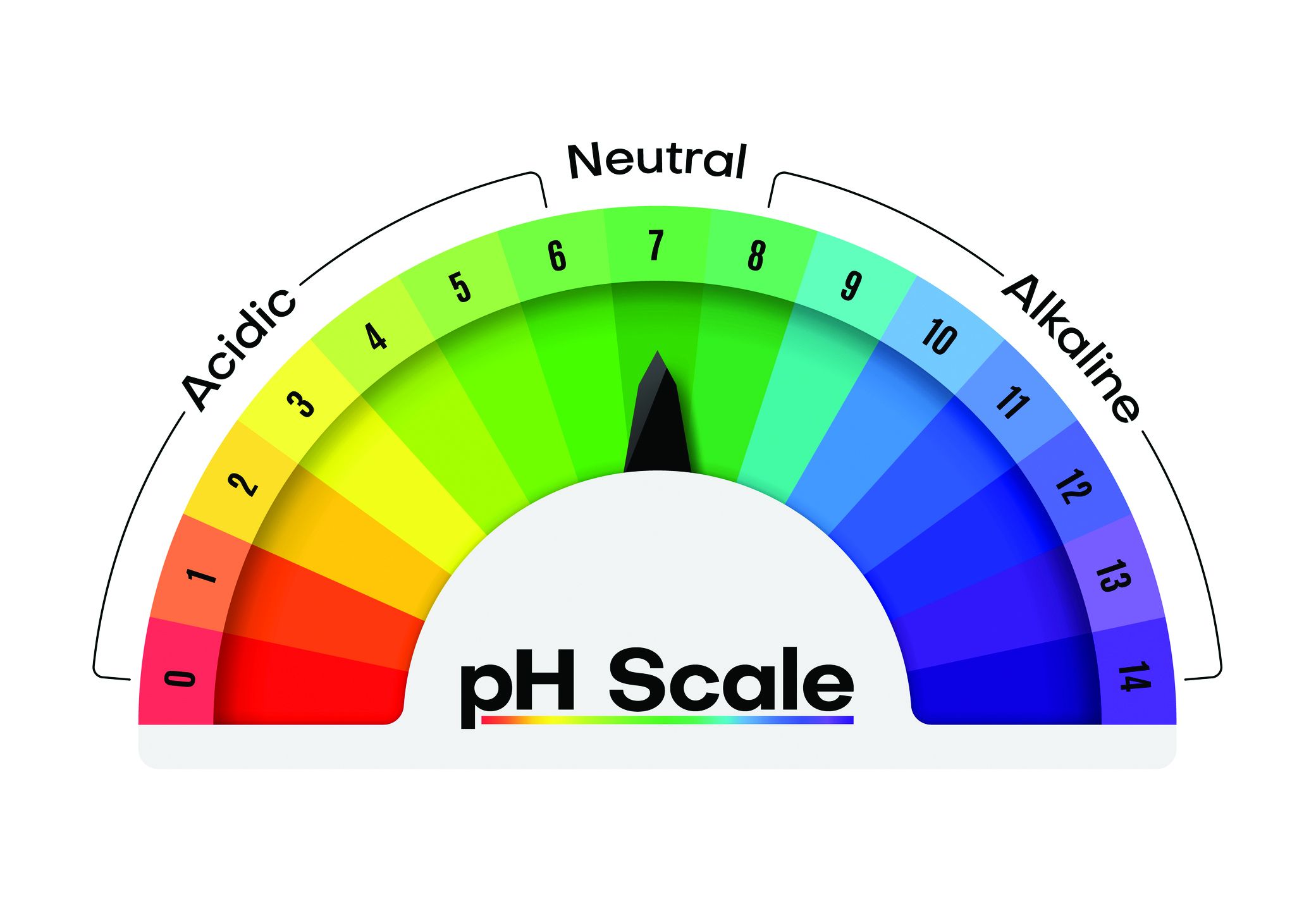
pH in Your Body. The abbreviation pH stands for “potential of hydrogen.” It is essentially a measure of how many hydrogen ions a substance can attract. A pH of seven is neutral. Lower than that is acidic; higher is alkaline (basic).
Keeping the proper acid-base balance in each cell and tissue of your body is essential to keeping you alive. Blood pH is normally slightly alkaline, at about 7.35 to 7.45. An excess of acid (acidosis) or an excess of base (alkalosis) can both be dangerous. Acidosis can cause confusion, weakness, fatigue, headache, loss of appetite, and rapid, shallow breathing. Alkalosis can cause confusion, weakness, muscle spasms, and, in severe cases, seizures or coma.
Maintaining Balance. Your body has a (nearly) fool-proof system for maintaining pH. It involves three main mechanisms:
1. Urination. The kidneys are crucial to maintaining acid-base balance. They move excess acids or bases from the blood into the urine for excretion.
2. Respiration. The chemical processes that maintain life (metabolism) create carbon

Once they’re metabolized, vegetables and fruits (even acidic citrus fruits) make the body more alkaline.
dioxide as a byproduct. This carbon dioxide moves into the blood stream, which lowers the pH. When we breath out, we expel carbon dioxide. This keeps the blood from getting too acidic. (When you exert yourself, your muscles create lactic acid which enters the blood stream. Breathing faster expels more carbon dioxide to offset the lactic acid and helps keep your blood pH in a healthy range.)
3. Buffering. Buffers are substances that can absorb or release the hydrogen ions that determine pH levels. Several types of chemical reactions act as buffer systems in your blood, extracellular fluid, and even inside your cells to keep pH levels stable.
Kidney disease, lung diseases (like COPD and asthma), hyperventilating, uncontrolled diabetes (ketoacidosis), and prolonged vomiting can disrupt these mechanisms and lead to acidosis or alkalosis. Some medications, including diuretics, corticosteroids, and certain anticonvulsants, can also disturb acid-base balance, as can overuse of bicarbonate antacids and laxatives, and abuse of alcohol. Outside of these special circumstances, your body does not need any help keeping its pH levels stable.
Diet’s Role. What you eat and drink does impact your acid-base levels, but, when functioning normally, your body naturally keeps things in balance. That’s not to say diet isn’t important. A low-carbohydrate, high-protein diet, for example, has a high acid load, and the minerals the kidneys use to compensate may increase risk for kidney stones. Diets high in grains and proteins (which raise acid levels in the blood) can cause alkaline compounds such as calcium to be released from bones to act as a buffer, weakening the bone in the process. Vegetables and fruits (even acidic fruits like oranges) are metabolized to alkaline products.
The typical American diet is high in grains and low in vegetables and fruits. In the extreme, this imbalance leads to excess acids in the body, which can tax the body’s pH-balancing systems and contribute to osteoporosis and kidney disease.
Drinking alkaline water should not be necessary, and can be dangerous for people with kidney disease. There is some preliminary data that it might be helpful for extreme athletes, but the data are not yet strong enough to warrant a recommendation.
So, the best way to support your body in maintaining acid-base balance is to avoid excessive amounts of protein, avoid excessive amounts of grain products (especially refined-grain foods), and eat plenty of fruits and vegetables. Washing it all down with plain water—rather than alkaline water—is just fine.
Images © Ekaterina Vasileva-Bagler | Getty Images
Once they’re metabolized, vegetables and fruits (even acidic citrus fruits) make the body more alkaline.