























It’s hamburger season! For many people, Memorial Day, Fourth of July, and other warm weather celebrations are not complete without burgers on the grill. Unfortunately, this popular food comes with some health concerns, and raising cattle for beef contributes to environmental problems. What’s a burger lover to do?
Seeing Red. Limiting consumption of red meat (beef, pork, and lamb) may lower risk of cardiovascular disease. Higher intake of red meat, whether processed (like bacon, sausage, and deli meats) or unprocessed (like hamburger and steak), has been associated with higher risk of developing type 2 diabetes. Dietary guidelines recommend replacing some or all red meats with other protein sources—fish/seafood, low fat or fat free dairy products, nuts, soy products, beans, lentils, and poultry. Shifting to plant proteins is particularly beneficial.
Substitute. If you (or any of your guests) are committed to avoiding red meat, offer alternatives at your next cookout. Turning to plant-based meat alternatives is now as easy as picking up a packaged faux patty at the supermarket. While better for the environment, we don’t yet know if there are health benefits of switching to these ultraprocessed foods.
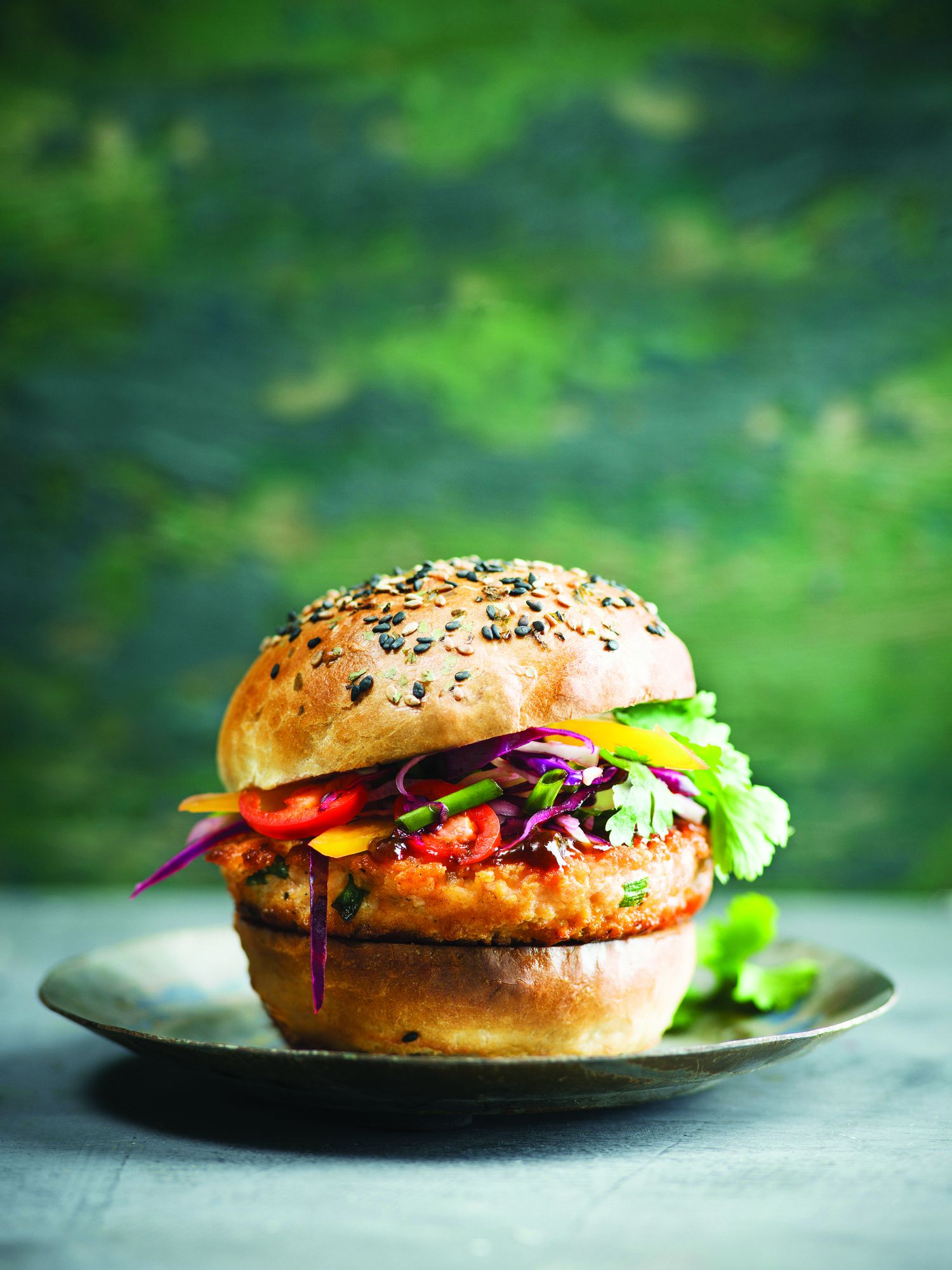
“Veggie burgers,” which can be made from various combinations of beans, grains, and vegetables, are another option. These can be made at home or found in the frozen section of most markets. Some people grill up marinated portobello mushroom caps, which fit nicely on a hamburger bun and have a meaty texture. Another option is marinated and grilled firm or extra-firm tofu.
For omnivores who are trying to eat less red meat, grill up a turkey burger or some fish, shrimp, or chicken, all of which have a leg up on beef when it comes to health and the environment.
Stretch It. Want to eat less meat, but not give up that burger altogether? Stretch the ground beef mixture. Finely chopped sauteed mushrooms have that savory richness (umami) that pairs well with beef. Mixing in some cooked lentils or whole grains is another common way of having your burger and eating less meat, too.
Accessorize. Whether your burger is all beef, all veggie, or something else, what you eat with it matters. Sides of roasted vegetables or veggie- or bean-based salads beat chips and macaroni salad for nutritional value any day. Stick with classic burger toppings of lettuce, tomato, and onion (raw or caramelized), or dress it up with some sauteed mushrooms, roasted red peppers, or sundried tomatoes—but skip the bacon and limit the cheese to one slice. Go easy on high sodium additions like ketchup, mustard, pickles, and relish. Although mayonnaise and pesto are higher in calories than these common condiments, they also have unsaturated fats, which are associated with heart health benefits. Loading up with the veggies mentioned above adds flavor and moisture, so you will need less in the way of spreads.
Practice Moderation. If you’re a purist when it comes to your burger, feel free to enjoy it just the way you like it—but cut back on frequency and/or portion size. Savoring a favorite comfort food is one of the joys of life, and it’s all the sweeter when it happens infrequently. (But at least consider switching from 80 to 93 percent lean meat to cut the saturated fat nearly in half.) Pro tip: to maximize the positive health impact when you do choose something else, make sure it’s a healthy choice—preferably plant-based, and definitely low in saturated fat, sodium, and refined carbs.
➧ Accessorize It. Load your burger up with veggies instead of bacon and cheese, use a whole wheat bun, and choose veggie sides instead of chips or fries.
➧ Limit It. Have your burger just the way you want it—every once in a while.
➧ Cut It. Mix the ground red meat with lentils, whole grains, or mushrooms or other veggies.
➧ Replace It. Eat a turkey, salmon, or veggie burger or grilled portobello, marinated tofu, or chicken breast on that bun. Or try a non-burger entrée instead.
One final tip: If you do go for beef, use a meat thermometer to make sure the center of your burger reaches 160ºF to kill any bacterial contamination (165ºF for turkey burgers). Ground meat is a leading cause of E. coli infections in the U.S.