





















Gum Disease May Raise Cancer Risk
Periodontitis, advanced gum disease caused by bacterial infection that damages the soft tissue and bone that support the teeth, may be linked to higher risk of certain cancers, according to a new study published in the Journal of the National Cancer Institute. The study, led by Tufts epidemiologist Dominique Michaud, ScD, analyzed data from dental exams of nearly 7,500 black and white older adults, and compared periodontal disease severity with incident cancers and cancer deaths during an average of 15 years of follow-up.

Its Never too Late to Improve Your Diet
A recent study in the British Journal of Nutrition found that following a Mediterranean-style dietary pattern was associated with a longer life. This association has been seen before, but this research, along with a meta-analysis of similar studies conducted by the authors, looked specifically at individuals aged 65 years and older.
The Challenges of Nutrition Research
Many nutrition studies rely on self-reported dietary intakes. Surveys ask participants to record everything they eat for a specific period, recall what they ate recently, or indicate what foods (in what amounts) they typically eat. The information these surveys provide is used to determine what dietary components or habits are associated with particular health measures or outcomes. If the self-reported diet information is inaccurate, it will impact study results.
Walnuts May Lower Cholesterol
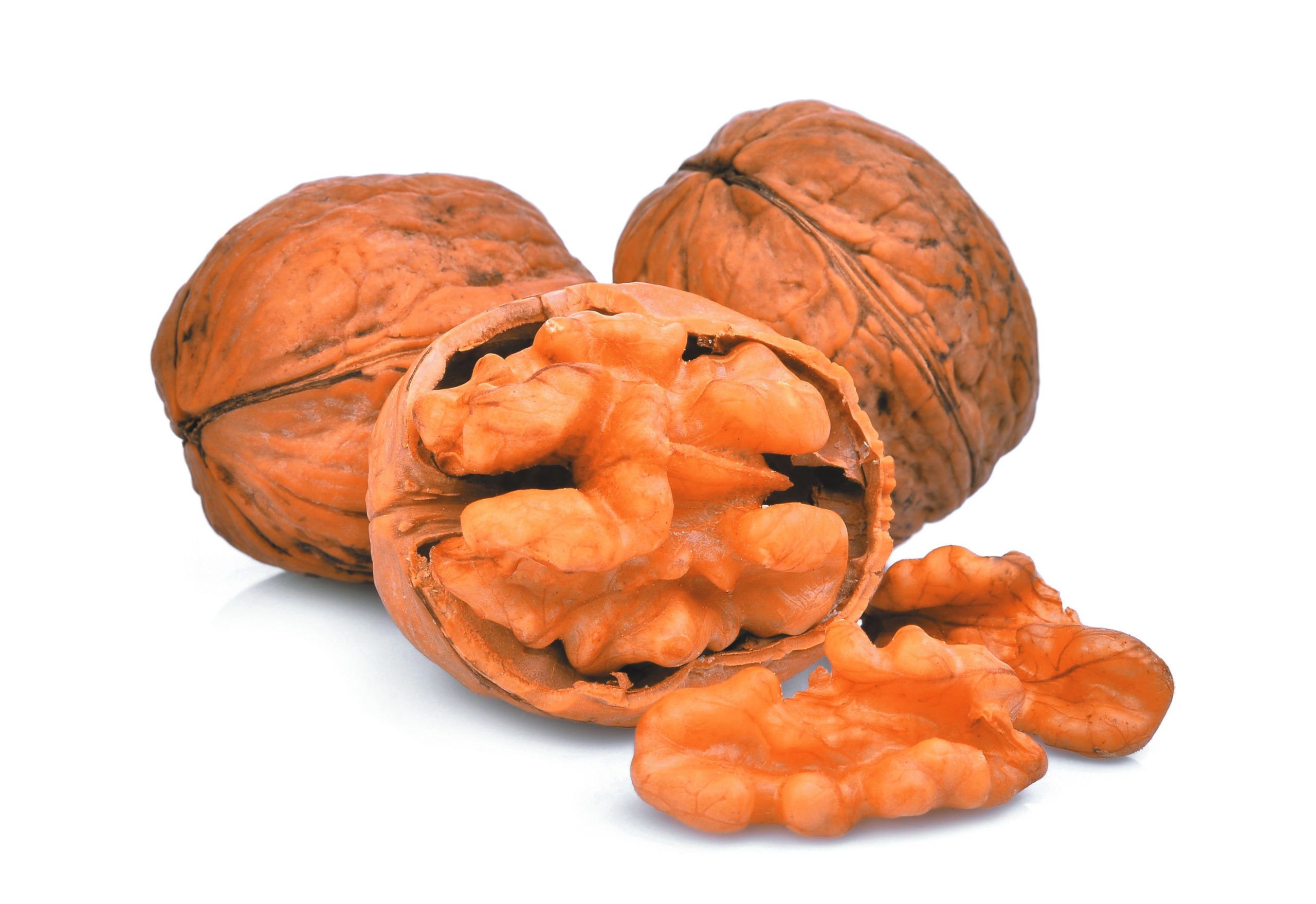
A review and analysis published recently in the American Journal of Clinical Nutrition suggested that eating walnuts could improve blood lipid levels (cholesterol and triglycerides) without causing weight gain or increasing blood pressure.

Chronic Sleep Loss May Impact Body Composition
Studies have found that people who routinely dont get enough sleep are more likely to be overweight than people who get adequate sleep. Additionally, two recent cohort studies of middle-aged and older community-dwelling adults have found insufficient sleep to be associated with lower muscle mass. A new study published in Science Advances delved into the reasons why.

Physical Activity on the Rise but Still Low
According to a recent report from the CDC and federal department of Health and Human Services, only 23 percent of American adults aged 18 to 64 years get the recommended amount of physical activity.
Multivitamin Use Does Not Help Heart Health
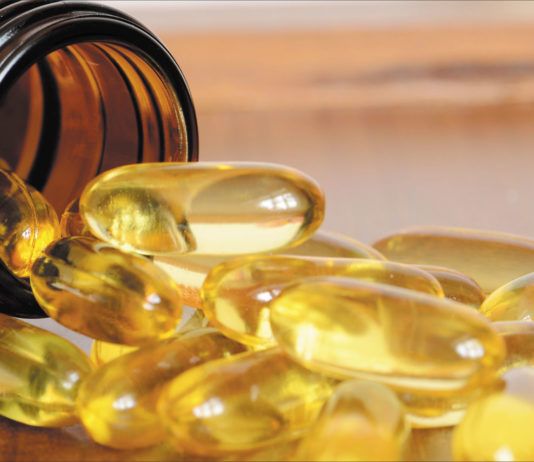
A recent systematic review and meta-analysis published in the journal Circulation: Cardiovascular Quality and Outcomes concluded that multivitamin/mineral (MVM) supplementation does not protect against cardiovascular disease.

Muscle Loss, Obesity, and Cognitive Performance
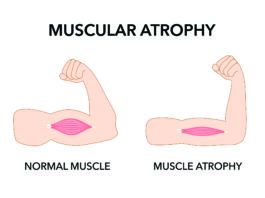
As people get older, the body tends to lose muscle mass and strength. This process is called sarcopenia, a term coined by Friedman School professor and former dean Irwin Rosenberg. Sarcopenia can make activities of daily life more difficult and increase risk of falls. A recent study in the journal Clinical Interventions in Aging looked at whether sarcopenia could be a predictor of reduced cognition.
Vegetarian Diets Improve Diabetes Management
A recent systematic review and meta-analysis of randomized controlled trials published in the journal Clinical Nutrition found that vegetarian-style dietary patterns (from vegan, which omits all animal products, to ovo-lacto-vegetarian, which includes eggs and dairy) may be helpful in diabetes management.
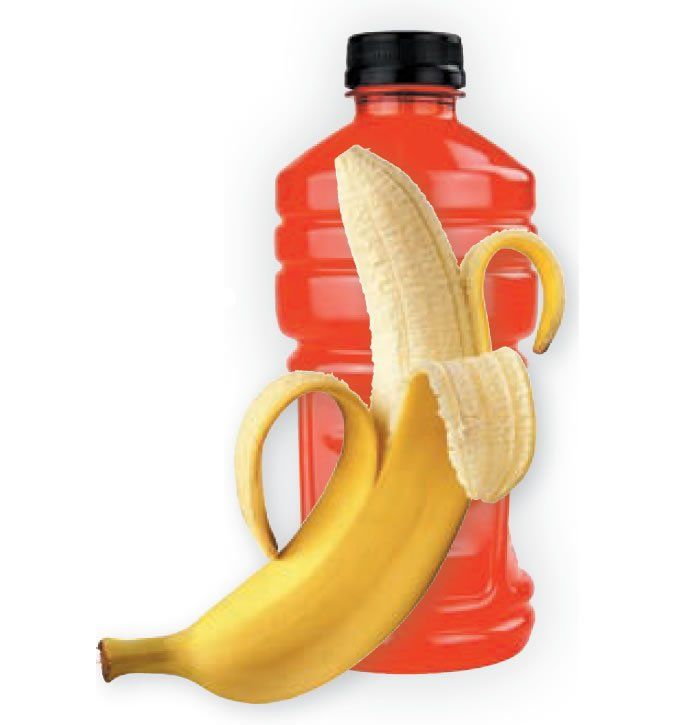
Bananas Beat Sports Drinks
A study published in 2012 found that competitive cyclists performed better on long rides if they consumed either a banana (plus water) or a sports drink, compared to water alone. Now a follow-up study, recently published in the journal PLOS One, concluded that bananas are even better than sports drinks at helping these athletes recover from extreme exertion.