




















Fat Choices Better But Still Fall Short
Results from the Minnesota Heart Survey, spanning nearly 30 years and encompassing 12,526 participants, show some progress in healthier fat consumption-but still a long way to go. Published in the Journal of the American Heart Association, the study reported that consumption of trans fat and saturated fat has dropped. Overall trans fat intake fell about a third, but is still about double the target of less than 1% of calories set by the Heart Association in 2006. Saturated-fat intake fell from 13.7% of total calories to 11.4% for men and from 13.5% to 11.4% for women. Thats still above the 10% maximum recommended by the Dietary Guidelines for Americans and far more than the Heart Associations 5%-6% goal.
Q. I read in your newsletter that older people may need more protein than...
Q. I read in your newsletter that older people may need more protein than the recommended 0.8 grams per kilogram of body weight to maintain muscle mass as they age. How much more, at age 75, might I need? Is 1.0 gram per kilogram of body weight too much?
Q. What are the pros and cons of eating raw fish, as in sushi?
Q. What are the pros and cons of eating raw fish, as in sushi?
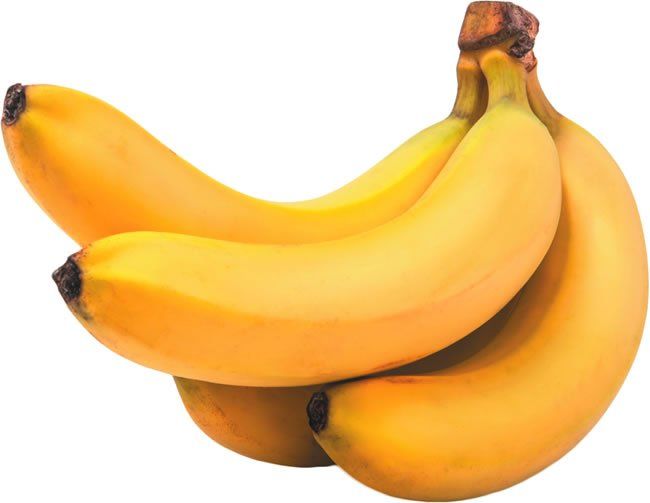
Consuming More Potassium Linked to Lower Stroke Risk in Women
A new analysis of data from the Womens Health Initiative (WHI) shows that postmenopausal women who consume the most potassium in their diets are at lower risk of suffering a stroke. The association was strongest in women without hypertension. Although the WHI is an observational study, which cant prove cause and effect, scientists say it provides another reason to boost your potassium intake-especially given that most Americans fall far short of meeting recommended potassium requirements.
Sandwiches a Top Sodium Source
Dagwood Bumstead, the comic-strip character famed for his sandwiches, might want to check his blood pressure. A new analysis of national dietary data by USDA researchers reports that sandwiches account for one-fifth of average sodium intake, a key contributor to hypertension
New Ranking for Cleaner, Greener and (Maybe) Healthier Foods
The Environmental Working Group has waded into the healthy-food rankings game with a smartphone app and database of 80,000 foods, 5,000 ingredients and 1,500 brands. The new Food Scores guide combines nutrition data with ingredient concerns and processing issues to score foods 1 to 10, with 1 being the top cleaner, greener and healthier ranking.
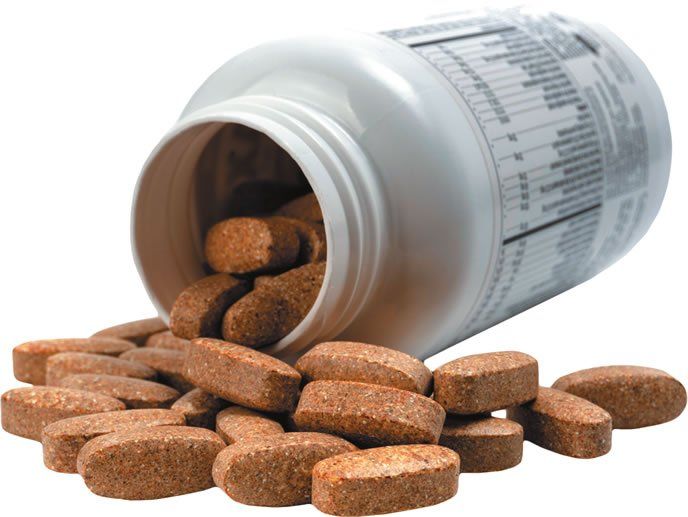
Safe Upper Levels for Vitamins and Minerals: What You Need to Know
If a little is good, most Americans are accustomed to thinking, more must be better and a lot must be better still. When it comes to vitamins and minerals, however, it is possible to get too much of a good thing-especially if some of your nutrients are coming from pills instead of food.Remember that most of your vitamin and mineral needs can be safely met by a thoughtful diet, cautions Irwin H. Rosenberg, MD, editor of the Tufts Health & Nutrition Letter. The use of so-called dietary supplements will always be associated with some degree of risk.
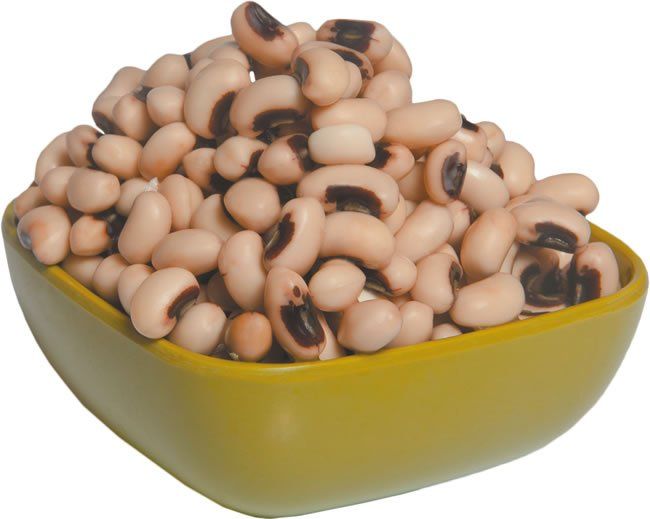
Add These Lesser-Known Legumes to Your Healthy Pantry
New Years brings a brief boost in popularity for black-eyed peas, the key ingredient in the traditional Southern celebratory dish of Hoppin John. But if youre looking for a nutritional bargain, black-eyed peas (aka cowpeas) should be a year-round staple in your pantry.
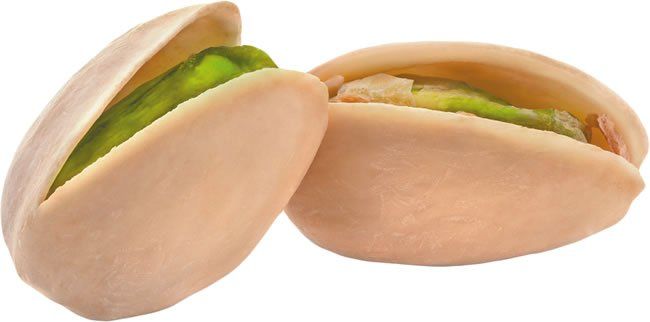
Eating Tree Nuts Helps Fight Diabetes
A new clinical trial and a review of the evidence both suggest eating tree nuts may help fight diabetes. Tree nuts include walnuts, hazelnuts, almonds, Brazil nuts, cashews, pecans, pine nuts, macadamias and pistachios. One study reported that pistachios improved markers of blood sugar and inflammation in people at risk for diabetes, while the second concluded that tree nuts of various types contribute to better glycemic control in patients already diagnosed with type 2 diabetes.
Q. I know fruit is considered very healthy, but I worry about the sugars...
Q. I know fruit is considered very healthy, but I worry about the sugars in it. Should someone with diabetes or pre-diabetes consume fruit?