
















Time-Restricted Eating Did Not Benefit Weight or Health in Trial
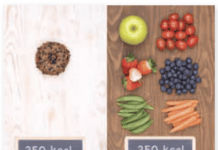
In a relatively small randomized, crossover, controlled trial, time-restricted eating (also known as intermittent fasting) did not lead to improvements in weight or other...

Myth of the Month: Canola oil is bad for you and should be avoided
A lot of negative things are said about canola oil. Let’s look at the facts:
Myth 1. The extraction process leaves dangerous compounds. To make...

A Dietary Pattern That’s Good for the Planet is also Good for You
A dietary pattern that is good for both human health and the health of the planet was proposed in 2019 by the EAT-Lancet Commission,...

Reducing Sodium Intake Lowers High Blood Pressure–You Can Do It!
If you have high blood pressure, you’ve probably been told to decrease your intake of sodium (the major source of which is salt). Some...
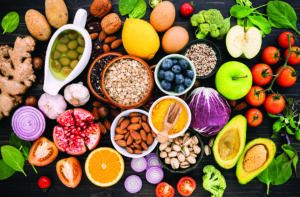
Plant Power!
It’s indisputable: plant-based dietary patterns low in ultraprocessed foods are good for health. Unfortunately, nearly all of us could do with a lot more...
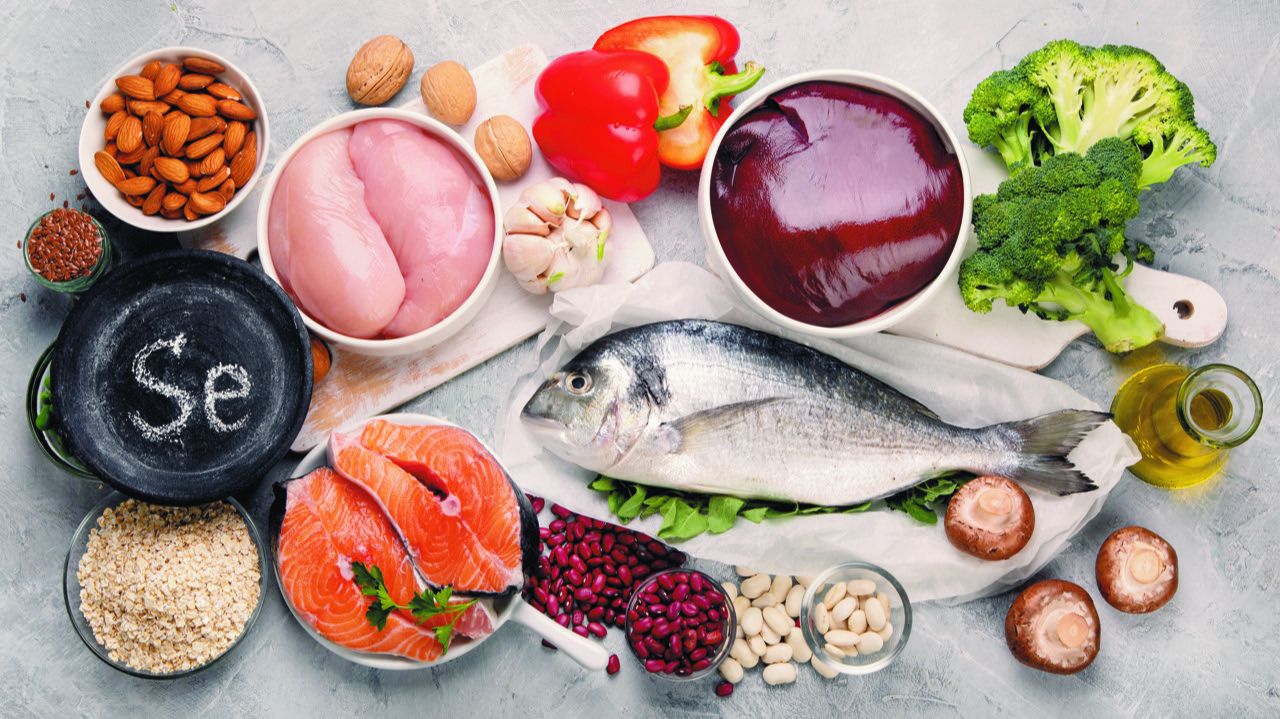
What is Selenium?
Selenium is a trace mineral found naturally in the soil, water, and in certain (mostly whole) foods, including Brazil nuts, tuna, and eggs. An...
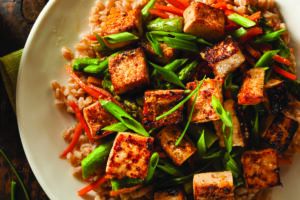
Tofu is Terrific!
Tofu is a mystery to many and a turn-off to some. If it’s unfamiliar to you, you may think the flavor is bland or...
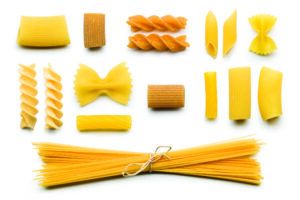
Pasta and Health
Q: I heard pasta is bad for my health. Is this true?
A: Judith C. Thalheimer, RD, LDN, executive editor of Tufts Health &...
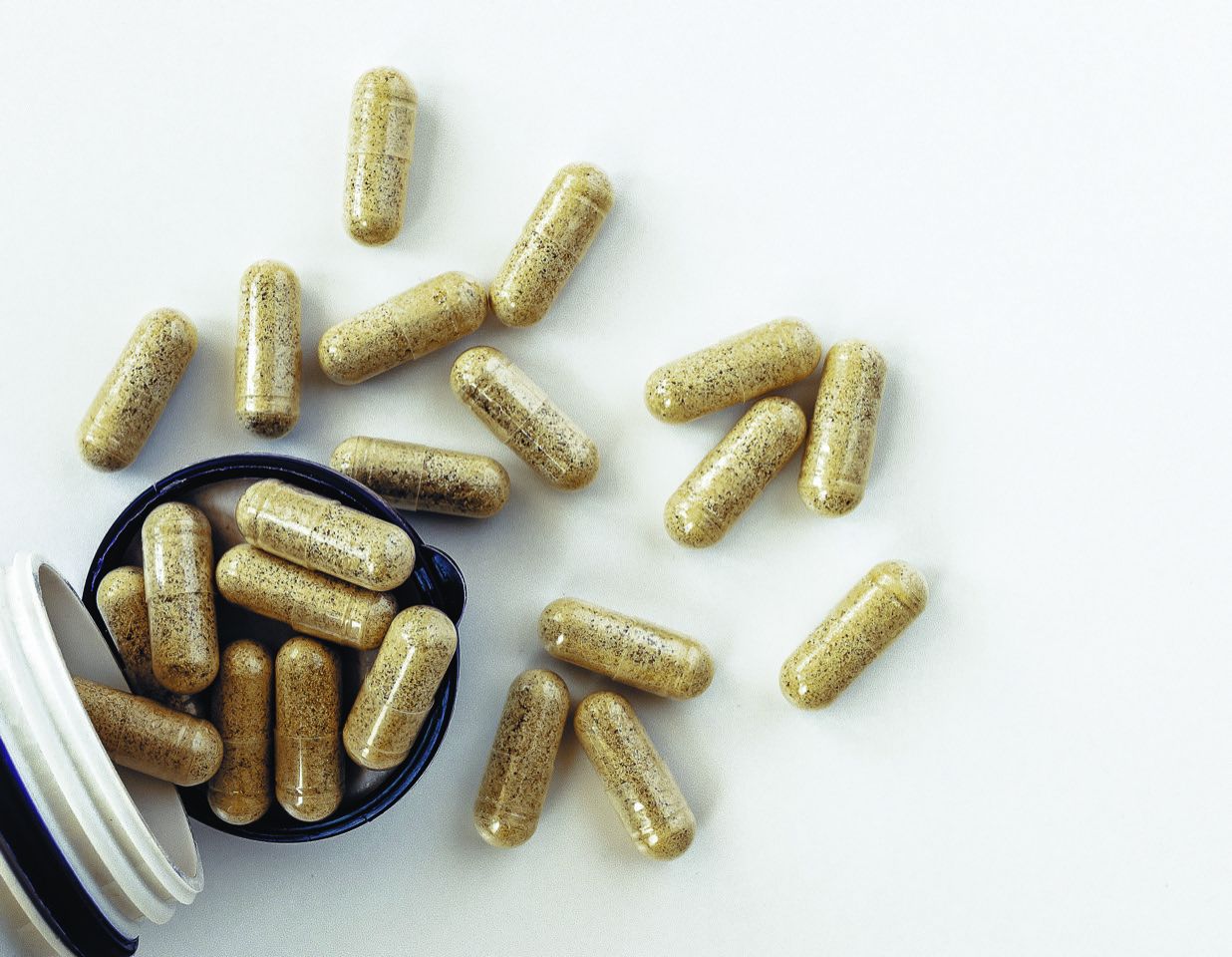
Exogenous Digestive Enzymes
The National Institutes of Health estimates that 60‒70 million Americans struggle with digestive diseases. As such, it is understandable that the enzyme supplements market...

Health Benefits of Pumpkin
Pumpkins mark the upcoming fall season with decorative flair on front porches and tabletops as well as in our favorite fall flavors—pumpkin spice has...