














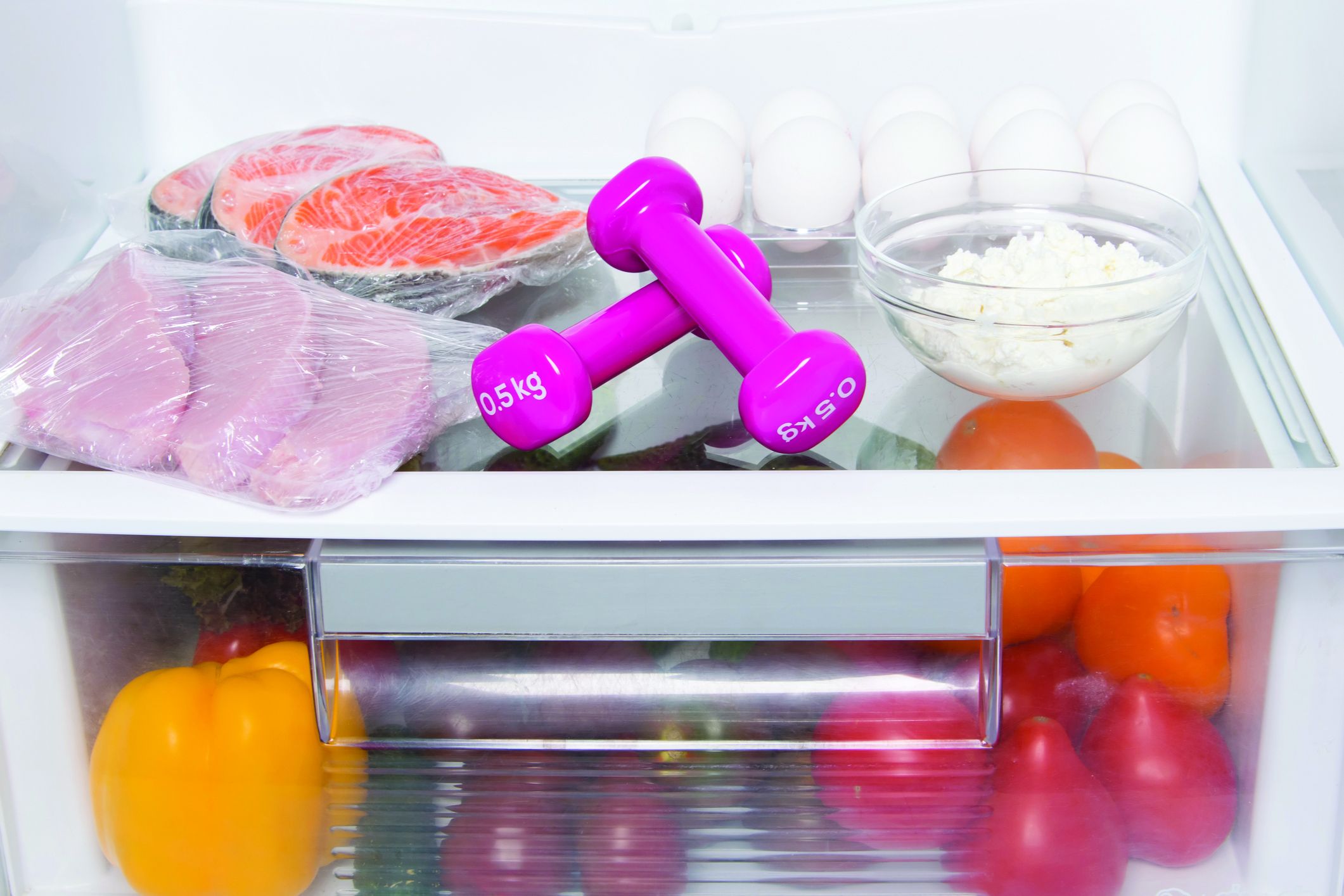
Protein-heavy diets and protein shakes, powders, and bars promise to help you build muscle—but that’s not necessarily true. We spoke to Roger A. Fielding, PhD, professor of Biochemical & Molecular Nutrition at The Friedman School and an internationally known researcher who studies how nutrition and physical activity impact skeletal muscle.
Q. How are muscle and protein connected?
Dr. Fielding: You need to consume dietary protein to get the nine essential amino acids the body needs to build proteins, including muscle protein. Individual protein needs vary based on many factors, including size, body composition, age, and activity level. Unfortunately, we still don’t have a settled answer on what the minimum requirement level should be, how much it varies among individuals, and how it is affected by different stages of life. Currently, the recommendation for healthy people is to consume at least 0.8 grams of protein per kilogram of body weight per day (that’s 0.36 grams per pound).
Q. Does eating more protein build muscle?
Dr. Fielding: Yes and no. If you’re regularly consuming less protein than your body needs, then yes, you’ll need to up your protein intake to preserve your muscles or build more. However, eating more protein than whatever your body requires is not, by itself, going to help you make more muscle.
Most Americans consume enough protein to meet their needs, so increasing protein, alone, will not build muscle. One possible exception is older adults. At least a quarter of this group is not meeting the minimum protein requirement.
Q. Does someone doing strength training need extra protein?
Dr. Fielding: Activities that use muscle build muscle. There is some evidence that increasing protein intake if you regularly engage in muscle-strengthening activities may lead to a somewhat higher increase in muscle mass, but the effect is not large. Based on the research, the benefit of extra protein is more evident in younger individuals and wanes with advancing age.
My lab did a study a while ago where we enrolled 80 older adults to participate in six months of resistance training. Half got a placebo drink every day; half got a shake with 40 grams of high-quality whey protein. Everybody got stronger and their muscle mass increased, but improvements were the same in both groups. The significant increase in high-quality protein intake provided no added benefit.
Even for younger people, systematic reviews of the evidence find the benefit of increasing protein intake while engaging in resistance training is fairly small. And most of the randomized controlled trials (which are the gold-standard for proving cause-and-effect) are, by necessity, too short to really see meaningful differences. Perhaps there would be more benefit over multiple years.
Q. Are there other specific groups that might need extra protein?
Dr. Fielding: While extra protein may not be necessary, we need to focus on getting older adults who aren’t eating enough protein up to an adequate level. We all lose muscle mass as we age. Low protein intake likely contributes to this loss.
People losing weight could probably benefit from protein intake a bit above their minimum requirements. This could help to attenuate muscle loss, especially if they also work out regularly. The trick is to prioritize protein without going over the calorie limits of a calorie-restricted diet—and without compromising adequate nutrition by letting protein push other food groups off the plate. Also, if people increase their protein by adding a lot of red and processed meats to their diet, they are not doing their health any favors.
Q. Are protein powders/shakes/bars a good way to get protein?
Dr. Fielding: Whole and minimally processed foods are always best. If you really need to supplement to get enough, choose high-quality, relatively unadulterated products, and avoid ultraprocessed, sweet, protein-enhanced options that are essentially junk food.
Q. What is the best way to build and preserve muscle (at any age)?
Dr. Fielding: Regular aerobic activity and a day or two of resistance training each week is the key. Emphasize the large muscle groups of the upper and lower extremities (hip extensors, quads, chest, arms, and back). Working with free weights, weight machines, and bands are all good options, but body weight exercises (like squats and push-ups or yoga poses) are equally effective. A pricey gym membership and fancy workout clothes are not necessary.
It’s never too late to start resistance training, but it’s easier to prevent loss than to recover lost muscle late in life, so be active throughout your life.
➧ Build Strength. Move your body daily and engage in a day or two of resistance training each week, focusing on large muscle groups.
➧ Think Food First. Beans, lentils, fish, eggs, and fat-free or low-fat dairy are excellent protein choices. Poultry is fine, but red and processed meats should be limited. If you need to supplement, choose high-quality protein like whey, soy, and pea extracts without added sugars and additives.
➧ Start Now. It’s easier to keep muscle than to build new, but it’s never too late to start.