










Dietary changes once recommended for avoiding a condition called diverticulitis are likely unnecessary—or even counterproductive. Pockets or pouches can form in the walls of the colon. This is called diverticulosis. If these pockets become inflamed or infected, the condition is called diverticulitis. Diverticulitis can be extremely painful, and severe cases may require hospitalization or surgery. People who have had diverticulitis are often advised to avoid eating foods with high particulate matter (pieces that can get stuck in the pouches). This includes nuts, seeds, fresh fruits with small seeds like raw tomatoes and strawberries, and corn. This advice is based on limited evidence, and the effectiveness is not well studied, particularly in women.
Researchers asked nearly 30,000 women ages 35 to 74 in the United States and Puerto Rico to fill out food frequency questionnaires and answer questions about diverticulosis and diverticulitis five times over the course of 10 to 20 years. No association was found between intake of nuts, seeds, fresh fruits with seeds, and corn and higher incidence of diverticulitis. Earlier studies had found the same lack of association between particulate matter intake and diverticulitis in men.
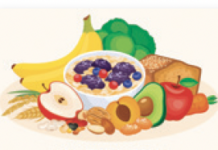
This study found that consuming foods in line with a healthy dietary pattern (like the DASH diet, a Mediterranean-style dietary pattern, or the U.S. Healthy Eating Index) was associated with lower risk of developing diverticulitis. Again, earlier studies of men reached the same conclusion.
To avoid developing diverticulosis and diverticulitis, consume a healthy dietary pattern and follow the advice of your healthcare provider.