

























There is a rising tide of anti-seed oil sentiment in the United States. We have taken a deep dive into the facts surrounding some frequently cited reasons for avoiding seed oils so you can make a fully informed decision. If you have heard negative information or are one of the 28 percent of Americans who report actively avoiding seed oils, a fair and balanced look at all available data may change your mind.
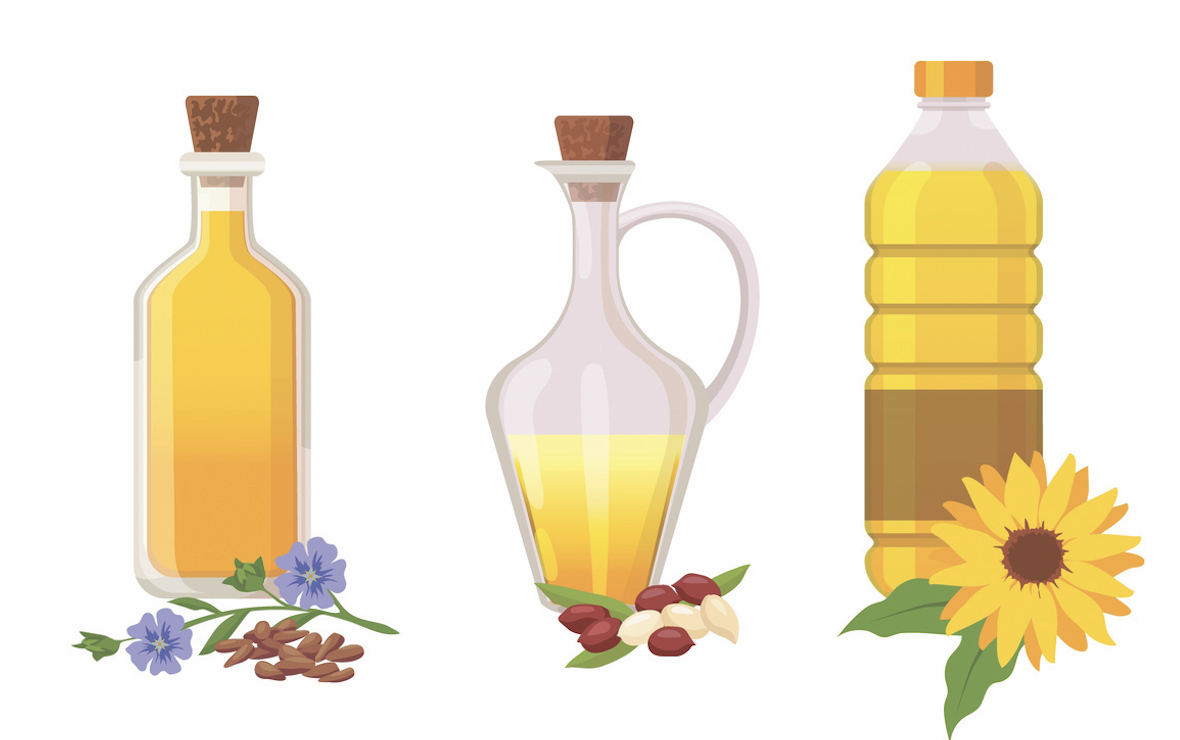
An Oil by Any Other Name… While olive, avocado, and palm oils come from fruits, all the rest of the common oils (canola, coconut, corn, cottonseed, flax, grapeseed, rice bran, safflower, sesame, soybean, sunflower) come from the seeds of plants. Nuts are also a type of seed, so that makes products like walnut and almond oils “seed oils” as well.
Fact-Checking. Some of the things being said about seed oils are accurate (but of questionable relevance). Some are based on outdated, disproven information. And some are downright false. For example, there is a claim circulating that the European Union has banned the use of canola oil. This is completely untrue. You won’t find canola oil listed in the ingredients of any product in Europe because they use the name of the plant, “rapeseed,” instead of the trade name “canola” (short for “Canadian oil”). Let’s take a look at some other concerns:
1. Seed oils are highly processed. This is true. Seed oils are, indeed, processed. They must be extracted from seeds. Many are then degummed, refined, de-colored, and deodorized. These processes remove impurities and create clear, mild-flavored oils safe for high-heat cooking and less likely to oxidize (become rancid).
Some people object to the trace amounts of the chemical hexane these processes may leave behind, although they are much too low to be toxic (and they evaporate out as soon as you heat the oil). Non-seed oils (including some olive oil and, more frequently, avocado oil) may be processed with hexane as well.
Any oil labelled organic, unrefined, or “cold-pressed” has not been processed with hexane. You can buy these if you have concerns, but keep in mind these are more expensive than refined oils, and there is no scientific evidence that any of the processes used to make less expensive oils harm human health.
2. Seed oils increase oxidative stress in the body. This is false. Oxidation occurs when atoms lose electrons. These so-called “free radicals” roam around taking electrons from other substances to replace the ones they lost. In the body, oxidation can damage cells and tissues, potentially contributing to various diseases.
The fats in plant oils—especially unrefined oils—are susceptible to oxidation over time, which makes them smell and taste rancid. To keep oils fresh longer, minimize oxidation by storing them sealed in a cool, dark place or refrigerate.
➧ Know that Sugar is Sugar. It doesn’t matter to your body where a sugar molecule comes from.
➧ Cut Back. Sweet treats should be enjoyed occasionally and in small amounts, rather than expected as an every-day part of your dietary intake.
➧ Choose Fruit. Sweet fruits can scratch that sugar itch between those occasional sugar-sweetened treats. Sugars in whole fruits are not associated with higher health risks.
➧ Limit “Natural” Sweeteners, Too. Honey, maple syrup, and agave nectar are also classified as added sugar. They may be less processed and have trace amounts of nutrients, but their sugar molecules affect the body in the same way as any other sweetener.
3. Seed oils are linked to inflammation. Very high levels of seed oil have been linked to inflammation in lab and animal studies. However, within the context of the amounts we currently consume, there does not appear to be a link to inflammation in humans.
The idea that seed oils increase inflammation centers on their content of an essential fatty acid called linoleic acid. Linoleic acid can be converted to arachidonic acid, which is a precursor to compounds that increase inflammation. But it turns out the rate of conversion is relatively low in humans. The linoleic acid/inflammation connection has been disproven since a 2011 review of randomized controlled trials found that increasing or decreasing the amount of linoleic acid adults consumed had no significant impact on the amount of arachidonic acid in their tissues. More recent studies have reached the same conclusion. In other words, people who say seed oils increase inflammation are basing this statement on very outdated information based on studies in test tubes or animals.
4. Seed oils increase risk for disease. This is false. And this is key: in the end, it does not matter if seed oils are highly processed or even if they do increase oxidative stress and inflammation (which, as we’ve shown, they do not). The only thing that matters is how they actually impact our health. It may seem hard to believe if you’ve heard the diatribes against seed oils, but evidence is clear that, when used in place of animal fats, seed oils (and other non-tropical plant oils) improve makers of health.
Seed oils have been accused of increasing cardiovascular disease risk. A large, prospective study that followed 85,000 women and 43,000 men for 24 to 30 years, assessing their reported dietary intake every four years, found that replacing five percent of calories from saturated fat with polyunsaturated fat was associated with a 20 percent lower risk of cardiovascular disease. Monounsaturated fat was associated with a 15 percent lower risk. (Remember, seed oils are the dietary fat sources highest in poly- and monounsaturated fats. Animal fats—like the beef tallow and butter being suggested to replace seed oils—are high in saturated fat.)
Seed oils have been accused of increasing risk for type 2 diabetes. An analysis of 102 randomized controlled trials found that replacing five percent of calories from saturated fat with polyunsaturated fat (mostly linoleic acid) lowered blood glucose, HbA1c (a marker of average blood sugar levels over three months), and insulin resistance (the condition that leads to type 2 diabetes).
A Danish study published in 2025 measured linoleic acid in the fat tissue of over 4,600 people. Compared to having the lowest levels, having the highest levels was associated with a 24 percent lower risk of dying from any cause during the 21-year study period. And another 2025 study that followed 220,000 people over 33 years estimated that replacing 10 grams of butter with an equivalent amount of plant-based oils like seed oils was associated with an estimated 17 percent lower risk of death.
In short, there is little evidence to suggest that any seed oil increases risk of cardiovascular disease, type 2 diabetes, cancer, obesity, dementia, nor any other disease. There is, however, plenty of evidence that choosing fats high in unsaturated fatty acids (like non-tropical seed and fruit oils) in place of fats high in saturated fatty acids (like animal fats) is a healthy choice.