



























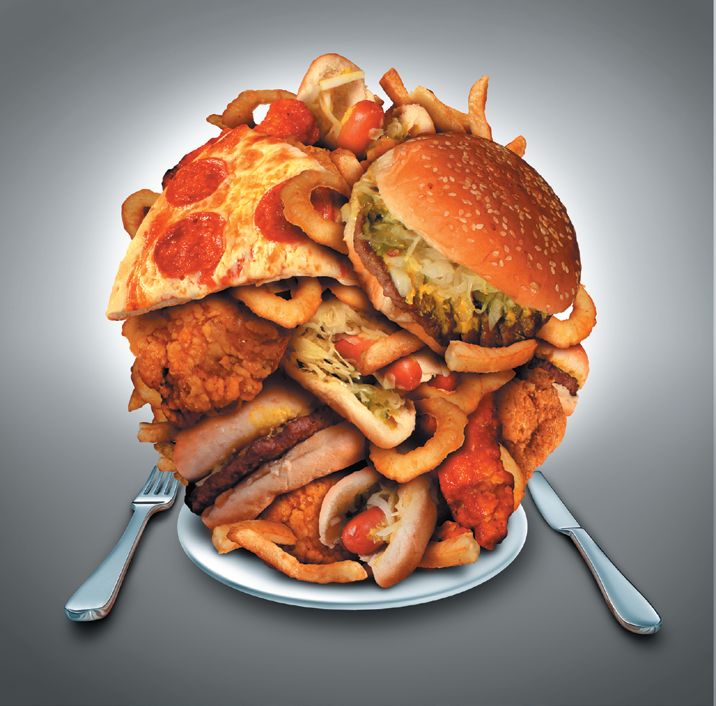
A small study suggests it is possible to reduce one’s intake of ultraprocessed foods (UPFs). UPFs (packaged foods containing refined components like white flour and isolated protein and additives with few, if any, whole ingredients) make up almost 60 percent of the average American diet. High intake of these foods (especially paired with low intake of healthier choices) has been associated with poor health outcomes. Because these foods are ubiquitous, easily prepared and consumed, highly palatable, and frequently inexpensive, removing them from one’s diet can be challenging.
Researchers enrolled 14 adults in an eight-week intervention that provided weekly group sessions with a trained lifestyle modification coach, individual meal planning sessions, and a $100 gift card to a grocery store to encourage the purchase of whole and minimally processed foods. Participants were also taught strategies to deal with any discomfort (cravings, withdrawal, feelings of deprivation) they may experience when cutting back on UPFs, and the home food environment was modified to make UPFs less accessible.
These efforts resulted in participants cutting their UPF intake in half, reducing their average daily calories from UPFs by almost 49 percent. This also resulted in reducing their total daily calorie intake by 612 calories, leading to a weight loss of, on average, seven-and-a-half pounds over the eight weeks. Sodium intake went down by 37 percent and sugar intake by 50 percent.
While most of us are unlikely to ever receive the level of support offered in this study, the results are clear: cutting back on UPFs is beneficial—and possible. Common examples of UPFs include white breads, frozen meals, candies, sodas, cakes, cookies, salty snacks, and most breakfast cereals.