















Every year in the U.S., 600,000 people have a first stroke, and 160,000 die from stroke, making it the fifth leading cause of death and a leading cause of disability. More than half of these strokes could be prevented. The American Heart Association (AHA) and American Stroke Association (ASA) recently updated their guidelines for stroke prevention based on advancements in medical research that have been made since the last update ten years ago. Let’s take a look at what to do.
Know the Risk Factors. The majority of strokes occur when blood flow to the brain is interrupted by a blood clot (ischemic stroke). A less common form of stroke, hemorrhagic stroke, occurs when a blood vessel in the brain ruptures, causing internal bleeding. The damage caused by any stroke can lead to disability, such as difficulty thinking, talking, and walking, or even death. Stroke can occur at any stage of life, though risk increases with age. Modifiable risk factors for stroke include high blood pressure, overweight and obesity, high LDL-cholesterol, and high blood sugar, all of which can be identified through regular health screenings. (To learn how to spot a stroke, see “Think FAST.”)
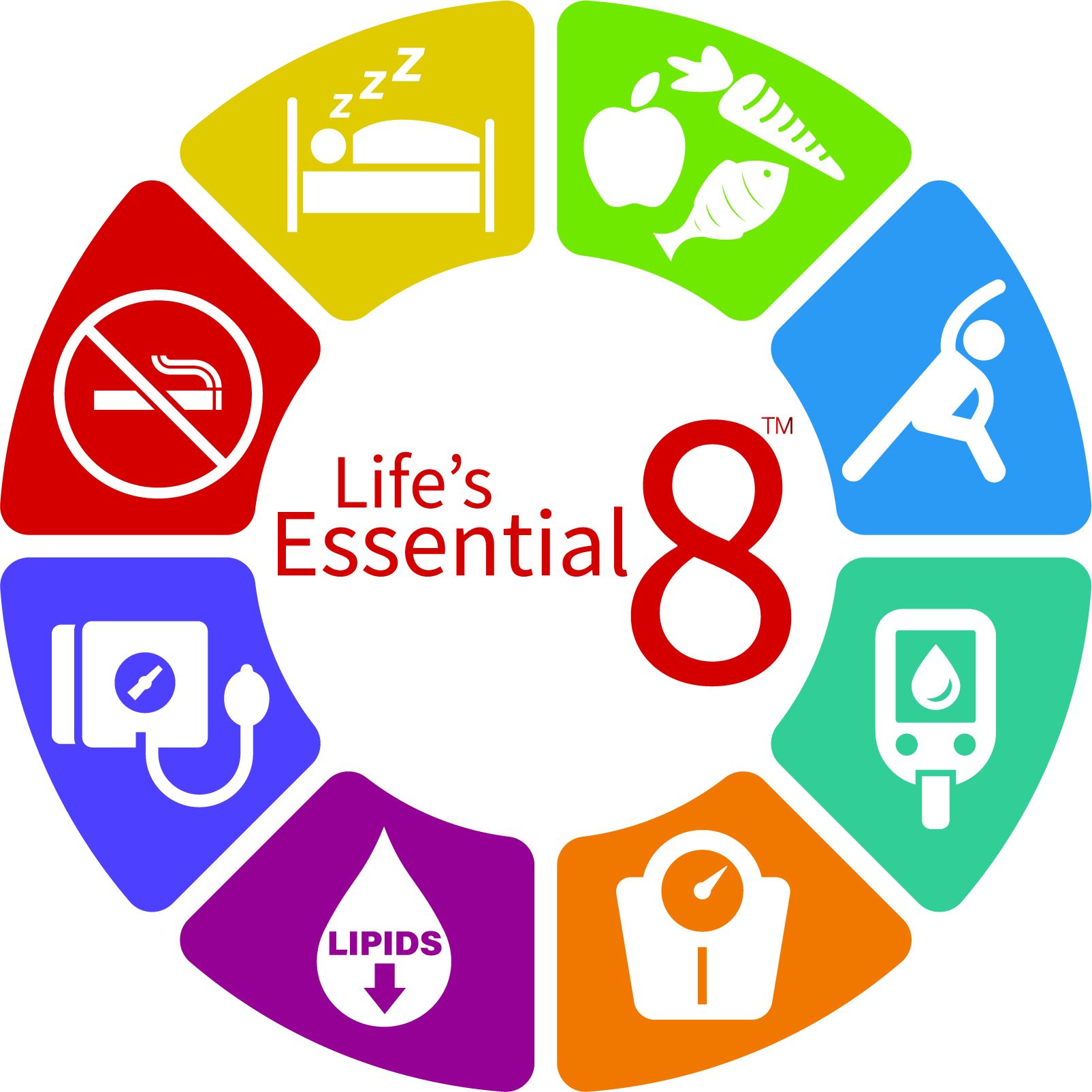
Prevention. Improving and maintaining cardiovascular health is the best way to prevent a stroke. The updated guidelines recommend focusing on the American Heart Association’s Life’s Essential 8, which outlines eight evidence-based, straightforward behaviors and strategies to help prevent all forms of cardiovascular disease (CVD).
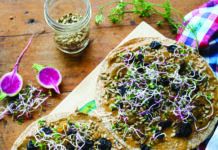
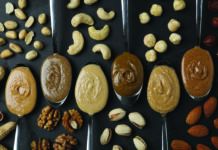
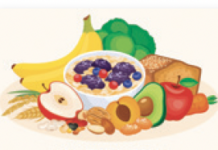
1.Eat a Healthy Diet. The new guidelines recommend a Mediterranean-style dietary pattern for those with no history of CVD, as well as those at intermediate or high risk of stroke. This way of eating includes a variety of whole, mostly plant-based foods with plenty of vegetables and fruits and unsaturated fats (like those in plant oils and fish), with moderate dairy intake and minimal red meat and processed foods. Other dietary patterns that support cardiovascular health include the DASH diet and a Healthy U.S.-Style Dietary Pattern (see January 2025 issue).
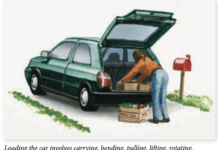
2.Be Physically Active. Physical activity is essential for reducing stroke risk and supporting heart health. To help prevent stroke, the guidelines agree with the Physical Activity Guidelines for Americans, which recommend adults get a minimum of 150 minutes (two-and-a-half hours) a week of moderate intensity physical activity, 75 minutes (one-and-a-quarter hours) of vigorous intensity, or a combination of the two.
New to this guideline: people are specifically urged to avoid sedentary behavior, such as prolonged sitting or reclining, during waking hours.
3.Manage Your Weight. Research shows stroke risk increases incrementally with the rise of body mass index (BMI), a numerical value of weight relative to height. A BMI of 18.5 to 25 is ideal. Overweight is defined as 25 to 30, and obesity as 30 or higher. (An online BMI calculator is available at https://www.cdc.gov/bmi/adult-calculator/index.html, if you’d like to calculate your own.)
Eating a healthy diet, controlling portion sizes, and moving more are all part of successful weight loss plans. Tracking food intake and activity (in a journal or with an app or website) may be helpful. For people with a BMI of 35 or above, other options are presented in the guidelines, including consideration of bariatric surgery.
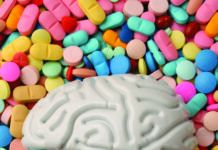
New to this guideline: GLP-1 drugs (glucagon-like protein-1 receptor agonists) are mentioned as another option to help with weight loss, as well as to manage type 2 diabetes and reduce risk of cardiovascular disease and stroke. Discuss your options with your healthcare provider.
4.Get Adequate Sleep. One in three adults does not get the recommended seven to nine hours of sleep each night. Poor sleep is associated with higher risk of CVD, high blood pressure, high blood sugar, high cholesterol, and obesity. Create an environment and habits conducive to good sleep, and work with a healthcare provider on any medical problems that may be disrupting your sleep. (For more information, see our December 2024 issue.)
Obstructive sleep apnea (recurring episodes of airway obstruction that interrupt breathing during sleep) is associated with higher stroke risk. More than 30 percent of middle-aged men and 15 percent of middle-aged women have sleep apnea. This condition is more common in people with overweight and obesity. Get screened for sleep apnea, work to lose some weight, if necessary, and use treatments like continuous positive airway pressure (CPAP), if prescribed, to help reduce stroke risk.
5.Avoid Tobacco. Exposure to tobacco products is estimated to be responsible for 18 percent of stroke death and disability worldwide. Smokers are at a significantly higher risk of stroke compared to nonsmokers. The more you smoke, the higher the risk. Research shows use of e-cigarettes and vaping damage blood vessels, which may increase stroke risk. Get help quitting—
or at least cutting back. Research shows quitting and avoiding tobacco products for more than three years is associated with significant health benefits.
6.Control Cholesterol Levels. High levels of low-density lipoprotein (LDL) cholesterol in the blood increase your risk of stroke. These lipoproteins deliver cholesterol that builds up on blood vessel walls, contributing to atherosclerosis (hardening of the arteries). Atheroscleroic plaque can trigger the formation of a blood clot that may restrict or cut off blood flow. Dietary patterns high in saturated fat and low in unsaturated fats contribute to high LDL cholesterol levels for most people. Replace saturated fat in your diet from foods like fatty cuts of meat, butter, full fat dairy, and coconut and palm oils with unsaturated fats from plant foods and non-tropical plant oils, such as soybean and canola oils. Increasing your intake of fiber from fruits, vegetables, whole grains, and legumes can help lower LDL cholesterol. Take medications as prescribed.
➧ CHOOSE HEALTHY FOODS. Center your dietary pattern around the types of vegetables, fruits, whole grains, legumes, nuts, plant-based proteins, lean animal proteins, and fish you enjoy. Limit sodium, refined carbohydrates, processed meats, and added sugars. Use the Nutrition Facts label on packaged foods to choose items lower in sodium and added sugars. ➧ BE PHYSICALLY ACTIVE. Aim for at least 150 minutes of moderate-intensity aerobic activity or 75 minutes of vigorous activity each week.
➧ WATCH YOUR WEIGHT. Lose weight if you have overweight or obesity. Avoid extreme, unsustainable diet plans. If you have been unable to lose weight through dietary changes and increased activity, discuss other options with your healthcare provider.
➧ LIVE TOBACCO-FREE. If you don’t smoke, vape, or use tobacco products, don’t start. Seek help if you’re having trouble quitting.
➧ MANAGE CONDITIONS. If you have high blood pressure, high cholesterol, prediabetes, or type 2 diabetes, it’s very important to work with your healthcare team to make lifestyle changes and identify appropriate medications.
➧ GET REGULAR CHECKUPS. Routine visits to a healthcare provider are the best way to monitor your stroke risk and address any risk factors.
➧ TAKE YOUR MEDICINE. Take all medications as directed. Don’t take aspirin as a preventive measure unless your doctor tells you to.
7.Control Blood Sugar Levels. High levels of blood sugar increase risk for atherosclerosis and stroke. Maintain healthy blood sugar levels by consuming a healthy dietary pattern (one rich in vegetables, fruits, whole grains, legumes, nuts, plant-based proteins, lean animal proteins, and fish and limited in refined carbohydrates, processed meats, salt, and added sugars), engaging in regular physical active, and keeping weight in a healthy range, and not smoking or vaping.
New to this guideline: GLP-1 drugs are suggested as a potential option to reduce stroke risk for people with type 2 diabetes with an A1c of 7 percent or higher and high CVD risk or established CVD.
8.Control Blood Pressure. Approximately 46 percent of U.S. adults have high blood pressure (also called hypertension). Keeping your blood pressure in a healthy range reduces stroke risk. The pressure of the blood againt the artery walls accelerates atherosclerotic plaque buildup. This narrows the blood vessels, restricting blood flow and increasing the risk of blood clot formation. If a blood clot gets caught in a smaller vessel of the brain it cuts off blood flow, causing ischemic stroke. The pressure against the blood vessel walls can also lead to a rupture (hemorrhagic stroke).

Avoid the development of high blood pressure by eating a healthy dietary pattern low in sodium and rich in plant foods like vegetables and fruits. Maintain a healthy weight through diet and physical activity, get adequate sleep, manage stress, and don’t smoke or vape. If you have high blood pressure, take medications as prescribed along with these lifestyle changes.
Strokes are debilitating and can be deadly, but most are also preventable. More information, along with tips, advice, and recipes for helping you focus on “Life’s Essential 8” health goals are available at the American Heart Association website, heart.org, and the American Stroke Association website, stroke.org.