

















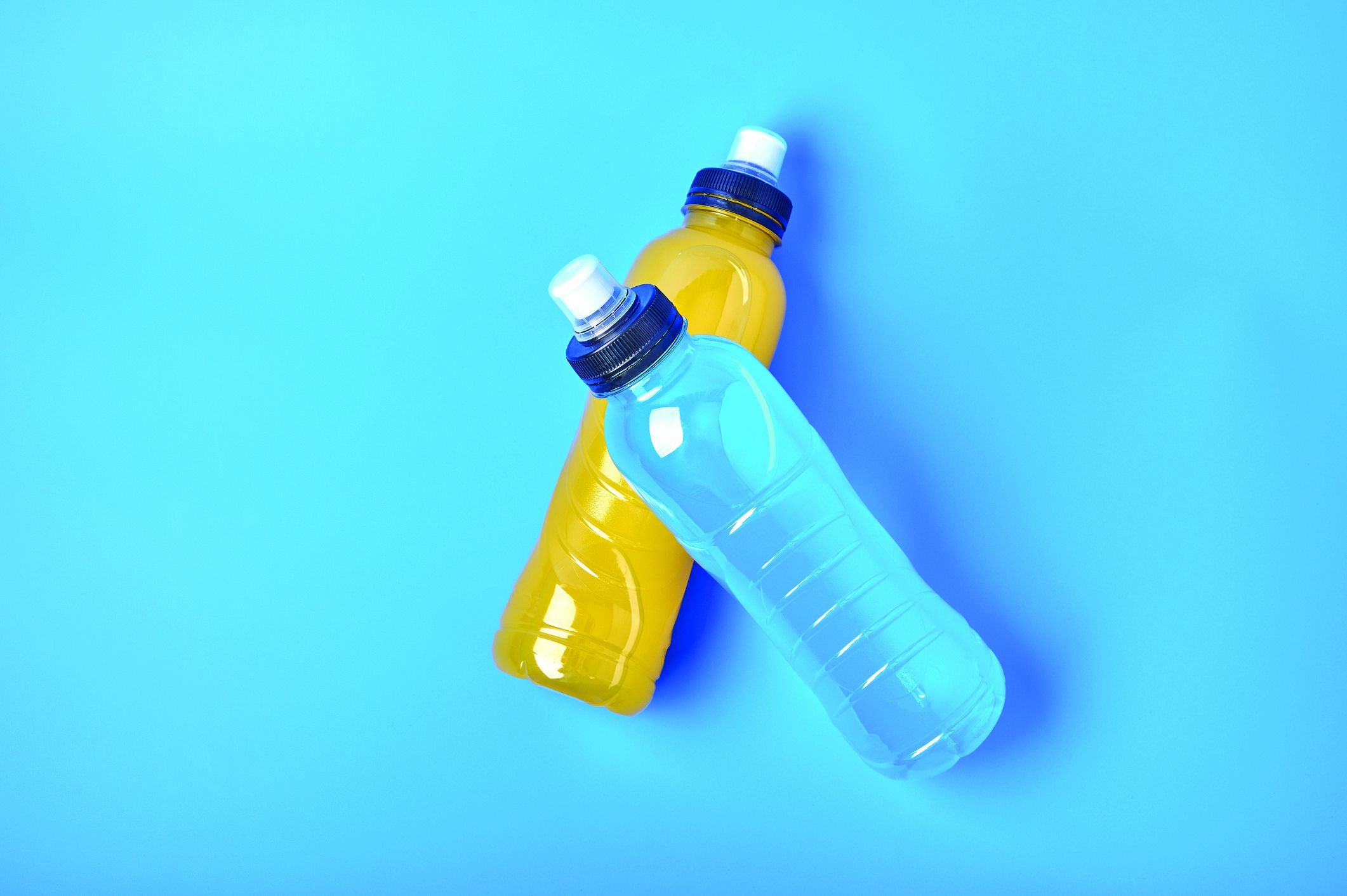
Is reaching for an electrolyte-enhanced beverage like electrolyte water or Gatorade a scientifically based choice—or simply the result of savvy marketing? That depends on the situation.
Charged Up. Electrolytes are minerals that carry an electric charge. The most prevalent electrolyte in the blood, sodium, plays a major role in regulating fluid balance and blood pressure. Other examples include potassium, which is essential for nerve conduction, and calcium, which is critical for muscle contraction, including the beating of the heart.
The Ins and Outs. We lose electrolytes in bodily fluids, including sweat, urine, blood, vomit, and diarrhea. We get them from food and drink. “Our bodies are remarkably adept at maintaining a stable balance of electrolytes through a process called homeostasis,” says Daniel Weiner, MD, nephrologist and director of Dialysis Services at Tufts Medical Center. The kidneys are the main player, excreting any excess electrolytes in the urine.
Kidney disease, diabetes, and heart disease—and some medications prescribed to treat them—can interfere with the body’s ability to regulate electrolyte levels. For example, some diuretics can cause potassium loss, while many medications used to treat heart disease can lead to potassium retention.
Electrolyte Drinks. Electrolyte-enhanced beverages aren’t necessary in most cases—and the high sugar content in some can actually work against overall health.
There are some exceptions. “If you’re doing really substantial activity where you’re sweating a lot in a very hot environment, it may be helpful to replace electrolytes with an electrolyte drink,” Weiner says. Think marathon running, endurance cycling, or manual labor in high heat. Electrolyte drinks may also be beneficial during a gastrointestinal illness, which can deplete key minerals quickly.
“Walking around outside or engaging in moderate physical activity, you’re not going to lose enough electrolytes to need an electrolyte-enhanced beverage,” says Weiner. The body can easily compensate with usual food and water intake alone.
➧ Eat Your Electrolytes. A healthy dietary pattern naturally supplies the electrolytes your body needs.
➧ Drink Water. For most people, water is all you need to stay hydrated—even during moderate exercise or in warm weather.
➧ Use as Needed. Reserve electrolyte-enhanced beverages for periods of extreme sweat loss or during illnesses involving excessive vomiting or diarrhea.
➧ Talk to Your Doctor. If you have kidney disease, heart disease, or diabetes—or take medications like diuretics—ask your healthcare provider if you should be concerned about your electrolyte levels.