
























Dairy Loses Luster in Proposed FDA Label Changes
A dairy-industry group is expressing concern over proposed changes to Nutrition Facts labels that might make milk and yogurt appear less nutritious. Under an overhaul unveiled by the US Food and Drug Administration earlier this year, the amounts used to calculate Daily Value (DV) percentages for three key nutrients would be increased: vitamin D, from 10 to 20 micrograms; potassium, from 3,500 to 4,700 milligrams; and calcium, from 1,000 to 1,300 milligrams. That would drop milk below the 20% threshold to be labeled as an excellent source of vitamin D, and milk and yogurt under the 10% cut-off for good source labeling for potassium.In comments submitted to the FDA about the proposals, the International Dairy Foods Association complained that the changes mean such dairy foods will appear to have a lower nutritive value, even if no changes have been made to the product. The trade group warned that the recalculations have the potential to significantly change consumers perceptions of the nutritional profiles of certain foods.
Dieting Going DIY
Despite recent CDC reports that nearly half of US states have obesity rates exceeding 30%, Americans are losing interest in diet plans and weight-loss products. A new survey by the Packaged Facts market-research firm says 28% of American adults are trying to lose weight and another 14% are trying to avoid extra pounds. But weight-conscious consumers are looking to foods like Greek yogurt and oatmeal to feel full, instead of buying diet foods. The report cites the increasing tendency of consumers to turn away from formal diet plans imposed by outside authority and to conflate dieting with healthy eating.… DIY dieters increasingly embrace their own private healthy eating and exercise regimens as the path to weight-loss success.Women continue to outnumber men among dieters, according to Packaged Facts, with the core of weight-loss dieters being non-Hispanic white women ages 55-plus. With the exception of significantly overweight people, however, weight-watchers are now more likely to be satisfied with not gaining pounds, rather than actually losing weight.
Coffee Genome Cracked
Scientists whove succeeded in sequencing the 25,574 genes of a leading variety of coffee plant say their breakthrough could improve taste, boost coffees health benefits and even lead to naturally decaffeinated coffee. The international project mapped the genome of Coffea canephora, which accounts for 30% of the worlds coffee crop. This knowledge can be used to breed varieties that meet the demands of growers, processors and consumers, such as resistance to leaf rust disease, said the Biodiversity International research group, a partner in the project. Identifying the genes responsible for caffeine production could make it possible to grow caffeine-free coffee beans, it added, noting that 12% of the 2.2 billion cups of coffee consumed daily worldwide are decaf.
Pictures Beat Numbers for Sugar Avoidance
Would you be less likely to guzzle that 20-ounce cola if the bottle pictured a pyramid of 26 sugar cubes-an amount equal to the 65 grams of sugar in the soda? A new study published in the journal Appetite suggests that such visual representations can help consumers avoid added sugars, and that the effect lasts beyond the initial drink-or-no-drink decision. In a series of four experiments, researchers tested participants ability to understand representations of sugar in grams (one sugar cube equals 2.5 grams) and reactions to seeing those quantities pictured as stacks of sugar cubes. After seeing the sugar cubes, participants rated sugary drinks as less attractive and reported they would be less likely to consume them. In an ostensibly unrelated experiment, those whod learned to think of grams in terms of sugar cubes were later less likely to select sugar-sweetened beverages.
Most Belong to Clean-Plate Club
If you grew up being taught to clean your plate-and still mostly follow that motherly admonition-youre not alone. A new analysis of 14 studies on portions and consumption habits finds that US adults eat almost 92% of the food we put on our plates. And the drive to eat everything on your plate isnt just an American habit: Researchers found almost identical patterns in Canada, France, South Korea, Taiwan, Finland and the Netherlands.
FDA Gluten-Free Rules Take Effect
Patients with celiac disease can now buy products labeled gluten free with confidence that the foods really do have no more than trace amounts of the protein found in wheat and some other grains. US Food and Drug Administration rules requiring gluten-free products to contain fewer than 20 parts per million of gluten, originally published in 2013, are now binding on manufacturers. The agency says most people with celiac disease, which affects an estimated 3 million Americans, can tolerate those tiny amounts-the lowest level that can be consistently detected in foods using current scientific tools.
Snack Makers Opt for Stealth Sodium Reduction
Responding to health concerns and anticipated voluntary sodium-reduction targets from the FDA, many food companies are cutting down on the salt in their products. But salty-snack producers arent boasting about such steps for fear of alienating potential customers, according to the Tate & Lyle market-research firm. Overall, the percentage of new US products making label claims about sodium reduction has risen from 2.1% in 2010 to 4.5% in 2014. Stealth sodium reductions far exceed overt changes, however, according to Tate & Lyles Nancy Gaul, especially in the snack-food aisle. Only 2% of new products in crackers, potato chips and tortilla chips feature such claims, with packagers preferring softer language such as a hint of salt.
Cactus-Drink Claims Debunked
If youve shelled out for pricey cactus concoctions in hopes of relieving inflammation and other ills, the Federal Trade Commission (FTC) says you got taken. TriVita, the maker of Nopalea cactus drink, agreed to pay $3.5 million to settle false-advertising claims. (The FTC regulates advertising, while the FDA governs product safety and labeling.) Nopalea infomercials, featuring former supermodel Cheryl Tiegs, made unsupported claims that the beverage improves breathing and relieves sinus infections and other respiratory conditions, and provides relief from pain, swelling of the joints and muscles, and psoriasis and other skin conditions. These claims were purported to be backed by clinical studies, which was false. People who appeared in the ads as supposedly ordinary consumer endorsers were in fact TriVita sales people.
Americans Are Nuts About Almonds
Nutrition and health benefits have helped make almonds the nations new favorite nut, with sales topping shelled and unshelled snack peanuts (not counting peanut butter). Annual almond consumption has soared from about 4 ounces per capita in the 1970s to more than 32 ounces. Driving the trend, analysts say, are studies linking almond consumption to cardiovascular and other health benefits. At the same time, Americans are realizing that the mostly unsaturated fats in nuts are not to be avoided, and seeking alternative protein sources: Red-meat consumption is down, and more than 3% of US adults say they are vegetarians.
Jury Still Out on Routine Vitamin D Testing
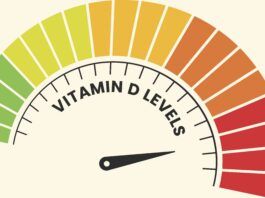
An independent panel of health experts that advises the federal government says theres not enough evidence to recommend for or against screening healthy adults for vitamin D levels. The US Preventive Services Task Force weighed more than a dozen studies before issuing its draft recommendation.