






















New Labeling for Drug-Free Meats
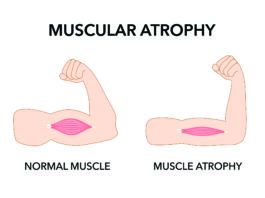
Following concerns about antibiotics in meat and poultry, the next target in efforts to avoid drugs at the meat counter may be "beta-agonists." The drugs are used to add muscle weight to animals in the weeks before slaughter.
Carbs Crucial to Early Humans Brains
Adherents of the so-called "Paleo diet," which emphasizes meat and attempts to replicate what humans ate in the Paleolithic period, may want to set down their steaks long enough to say thanks for starchy carbs.
USDA Sets Goal to Reduce Food Waste
The US Department of Agriculture is declaring war on food waste, likening the effort to the anti-littering campaigns of the 1960s and 1970s. Agriculture Secretary Tom Vilsack announced a goal of cutting the amount of food Americans waste by 50% by 2030.
Diet Soda Drinkers Eat More Junk Calories
Do you want a candy bar with that diet soda? University of Illinois researchers report that people who drink diet beverages are more likely to allow themselves treats, sometimes referred to in technical terms as "discretionary foods."
Food Industry Seeks Exceptions to Artificial Trans Fat Ban
As expected, the Grocery Manufacturers Association (GMA) has petitioned the US Food and Drug Administration to allow certain specific low-level uses of artificial trans fats. The GMA petitioned the agency using the process by which food additives are approved, hoping to carve out exceptions to the FDAs recent ruling that artificial trans fats are no longer generally recognized as safe. (See the September newsletter.) But that process can be complex and time-consuming, potentially stretching out close to the mid-2018 deadline for removing the fats.
NYC Salt Warning Passes
New York Citys proposed salt-shaker icon warning chain-restaurant patrons about high sodium levels was unanimously approved by the citys health officials. (See the August NewsBites.) The menu icon, which will be mandated as of Dec. 1, will identify items containing more than 2,300 milligrams of sodium-an entire days maximum intake, according to current recommendations.
Diabetes Rates Up but Increases Slowing
Although US diabetes rates continue to climb, the rate of increase has slowed since 2008, according to a new study in JAMA.
Pork Slogan Sale Back in Court
Nearly a decade after the government-sponsored National Pork Board bought the Other White Meat slogan for $60 million from a pork lobbying group, a lawsuit to undo the deal will be allowed to proceed.
Going Green, Getting Fat?
Is your reusable grocery bag making you fat? A new study published in The Journal of Marketing reports that people who go green and bring reusable bags to the supermarket are more likely to reward themselves for their environmentally friendly behavior by indulging in ice cream, cookies and potato chips.
Genes Affect Sweet Taste Perception
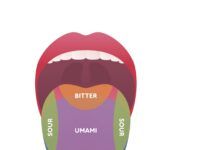
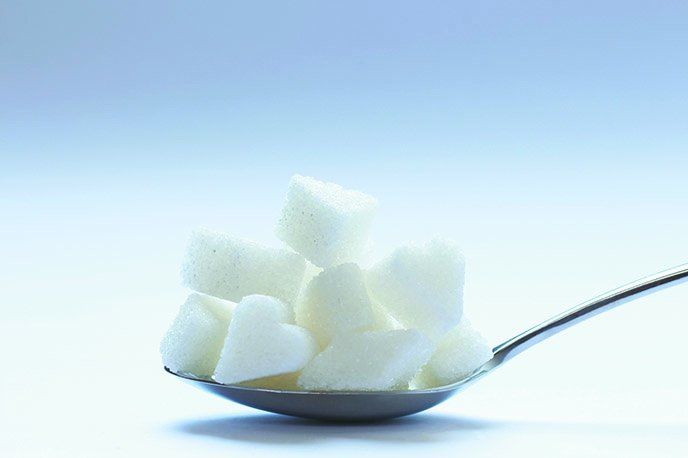
Your genes may help explain why you put more sugar in your coffee and on your cereal than other people do. A new study of 1,900 twins and their siblings reports that about 30% of variations in sweet taste perception can be attributed to genetics. People who perceive sweet taste less strongly may add more to satisfy their sweet tooth. Researchers tested four sweeteners, including two non-nutritive options, but found no difference between them, suggesting a single mechanism for sweetness perception regardless of calorie content. The findings were published in Twin Research and Human Genetics.