




























Seeing Smaller Portions Creates New Normal
Reducing food portion sizes may shift a persons perceptions of what is a normal amount of food to eat and induce them to choose smaller portions next time, suggests a study in the American Journal of Clinical Nutrition. Researchers recruited participants for the study from staff and students at the University of Liverpool, UK, to participate in a series of three laboratory experiments lasting up to a week.
New Implanted Glucose Monitor
A Food and Drug Administration (FDA) advisory committee unanimously recommended approval of a new type of implantable glucose monitoring device that can be left in place much longer than previous types. The new sensor is a cylinder measuring about 3/4-inch long and 1/8-inch wide. Its inserted just under the skin on the upper arm under local anesthesia.
Magnesium-Diabetes Link Stronger from Low-Quality Carb Diets
Higher intake of magnesium was associated with a lower risk for diabetes, particularly in people with diets too high in low-quality carbohydrates or low in fiber, according to a study in Diabetes Care.
New Findings on Genes and Fish Consumption
A study combining data on more than 86,000 people in the US and Europe found only weak connections between genetics and levels of consumption of seafood and omega-3 fatty acids. Instead, environmental and personal factors, such as availability of fish and individual food preferences, may play a bigger role in how much fish people consume.
US Junk Food Tax Is Feasible
A national tax on unhealthy and nonessential junk foods, like salty snacks and sugary drinks, would be both legal and administratively doable, according to an analysis in the American Journal of Public Health. A tax could encourage consumers to make better food choices and create an incentive for food manufacturers to make their products less unhealthy.
How Fiber Controls Blood Sugar
Dietary fiber may help to control blood sugar in people with diabetes by supporting beneficial bacteria in the gastrointestinal tract, according to as study in Science. The human gastrointestinal tract harbors a diverse assemblage of bacteria-the gut biota. A select group of these bacteria produce chemicals called short-chain fatty acids (SCFAs) when they break down dietary fiber. These substances nourish the gut lining and help control inflammation and appetite. Some studies have linked a deficiency in SCFAs to diabetes.

Alcohol Abuse Linked to Early Dementia
Alcohol use disorders are strongly linked to risk of dementia in people less than age 65, according to a study in Lancet Public Health. More commonly referred to as alcoholism, alcohol use disorder means a persistent pattern of harmful alcohol use or dependence on alcohol.
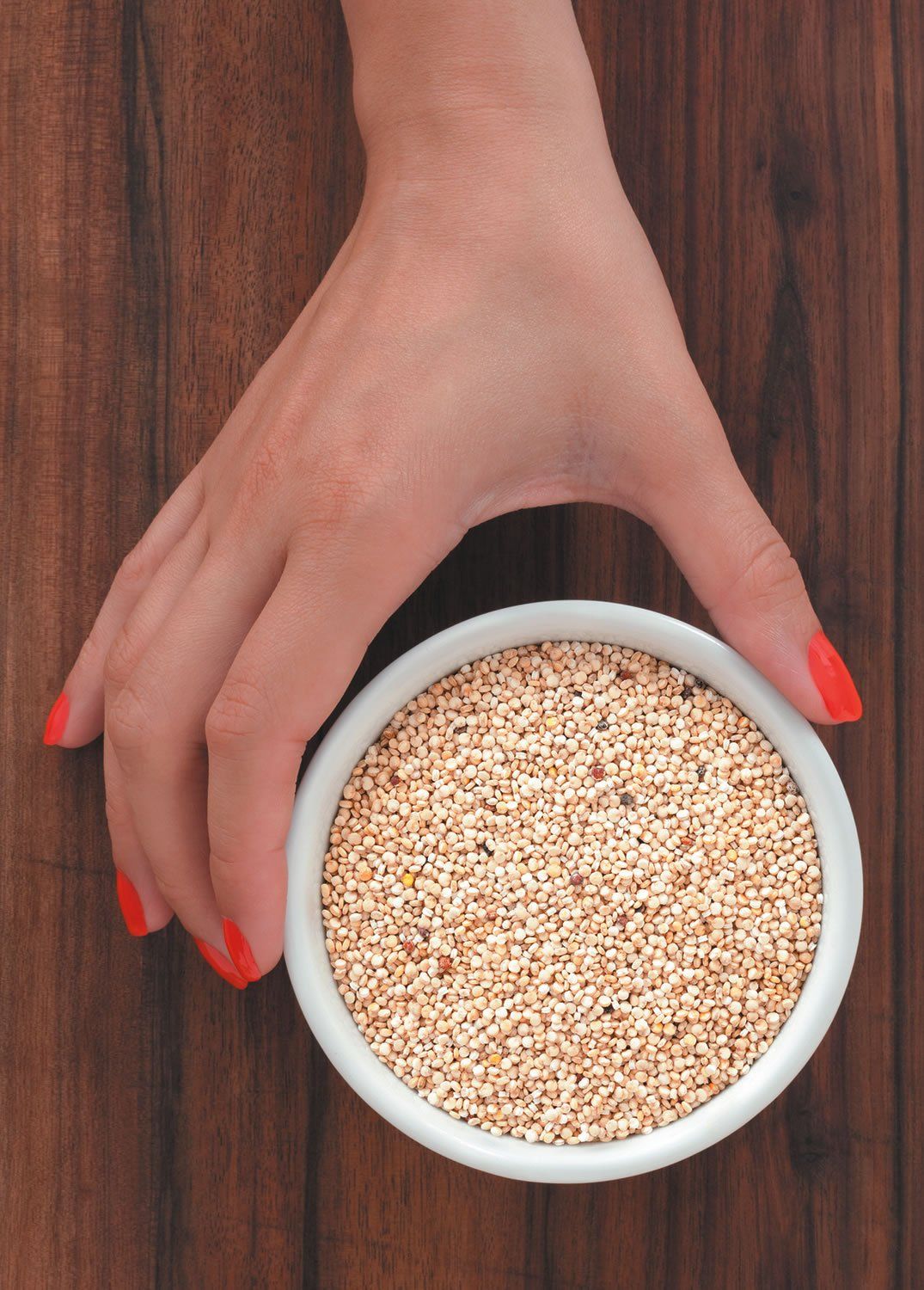
Good News for Quinoa Fans
Latin Americans have cultivated quinoa, a nutritious seed, for thousands of years. However, newer consumers of the golden grain may detect subtle bitter notes in cooked quinoa-mainly because of substances in the outer husk or bran of the seed called saponins.
New Diabetes Types Could Guide Treatment
Researchers in Sweden have reclassified diabetes into five different types, each with unique characteristics that could help doctors to identify people most at risk of diabetes complications and treat the disease more effectively.
Slower Eating May Help To Keep Pounds Off
A study of Japanese adults with diabetes found a possible link between eating slowly and maintaining a healthy body weight, according to a research in BMJ Open.