

























US Junk Food Tax Is Feasible
A national tax on unhealthy and nonessential junk foods, like salty snacks and sugary drinks, would be both legal and administratively doable, according to an analysis in the American Journal of Public Health. A tax could encourage consumers to make better food choices and create an incentive for food manufacturers to make their products less unhealthy.
How Fiber Controls Blood Sugar
Dietary fiber may help to control blood sugar in people with diabetes by supporting beneficial bacteria in the gastrointestinal tract, according to as study in Science. The human gastrointestinal tract harbors a diverse assemblage of bacteria-the gut biota. A select group of these bacteria produce chemicals called short-chain fatty acids (SCFAs) when they break down dietary fiber. These substances nourish the gut lining and help control inflammation and appetite. Some studies have linked a deficiency in SCFAs to diabetes.

Alcohol Abuse Linked to Early Dementia
Alcohol use disorders are strongly linked to risk of dementia in people less than age 65, according to a study in Lancet Public Health. More commonly referred to as alcoholism, alcohol use disorder means a persistent pattern of harmful alcohol use or dependence on alcohol.
Good News for Quinoa Fans
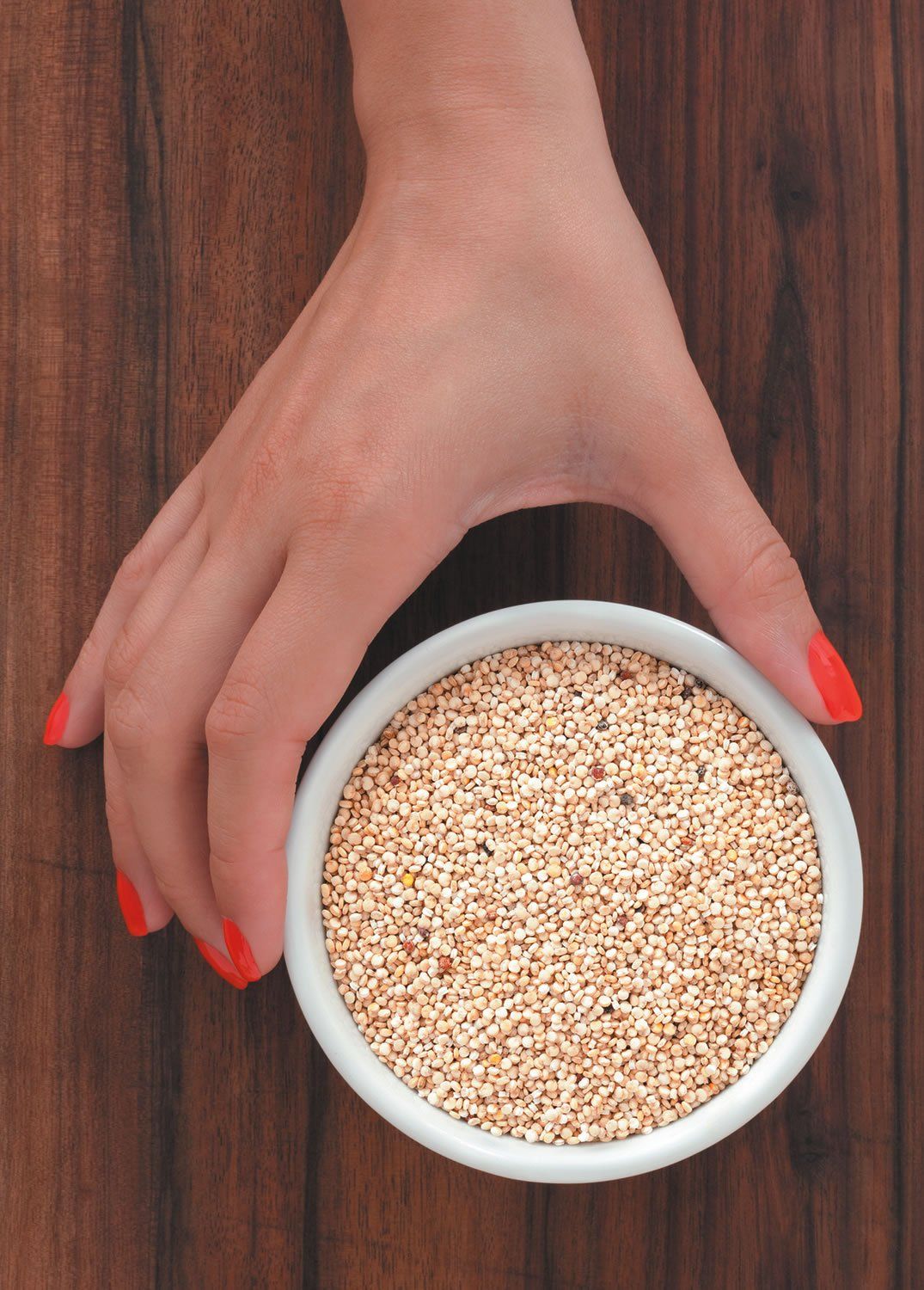
Latin Americans have cultivated quinoa, a nutritious seed, for thousands of years. However, newer consumers of the golden grain may detect subtle bitter notes in cooked quinoa-mainly because of substances in the outer husk or bran of the seed called saponins.
New Diabetes Types Could Guide Treatment
Researchers in Sweden have reclassified diabetes into five different types, each with unique characteristics that could help doctors to identify people most at risk of diabetes complications and treat the disease more effectively.
Slower Eating May Help To Keep Pounds Off
A study of Japanese adults with diabetes found a possible link between eating slowly and maintaining a healthy body weight, according to a research in BMJ Open.

Ultraprocessed Foods Linked To Cancer
Consumption of ultraprocessed foods is associated with greater risk of cancer, according to new research study in the BMJ. This is the first study that specifically links highly processed foods to cancer.
Weight Loss Programs Effectively Prevent Disease and Premature Death
The influential US Preventive Services Task Force (USPSTF) has concluded there is adequate evidence that intensive weight loss or weight-loss maintenance programs based on behavior change help people with obesity to lose enough weight to prevent chronic diseases.
No Weight Loss From Religious Fasting
According to a small study published in the American Journal of Clinical Nutrition, changes in metabolism and physical activity during fasting in the month of Ramadan did not lead to weight loss. During Ramadan, observant Muslims abstain from eating and drinking from dawn to dusk, providing researchers a natural experiment to observe the effects of intermittent fasting on body weight. Previous studies have observed mixed results, from no weight loss to modest but temporary weight loss.
Greater Availability of Exercise Facilities Linked to Smaller Waistlines
Living in an area with a higher number of gyms and other exercise facilities nearby is associated with smaller waistlines, lower body mass index (BMI) and less body fat, according to a study in Lancet Public Health. Researchers tapped a national database of health information on about 400,000 people, ages 40 to 70, from across the United Kingdom. They correlated these data with information on the number of exercise facilities such as gyms, swimming pools and playing fields within about a half mile.