




















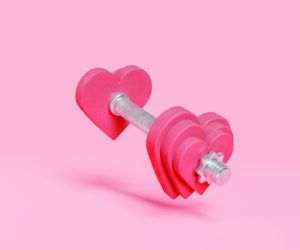
Resistance Training Associated with Lower Risk of Cardiovascular Events in Women
There is evidence that consistently engaging in resistance training (exercises where your muscles contract against an outside force like weights, bands or your bodyweight)...
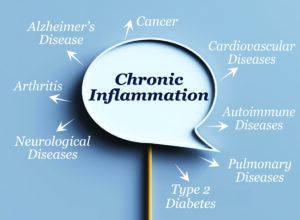
Inflammation Busting
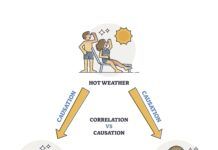
Inflammation can be a superhero or a villain. When you have an injury or infection, inflammatory factors rush to the scene to help. This...

The Flu Vaccine
Q: I’m interested in your opinion about the flu shot. I’m hearing a lot of conflicting information.
A: Simin Meydani, PhD, former senior scientist and...

Warm Drinks for Cold Weather
Pumpkin spiced drinks topped with whipped cream and other tasty hot beverages are seasonal hallmarks. They may be warming when temperatures are cool, but...
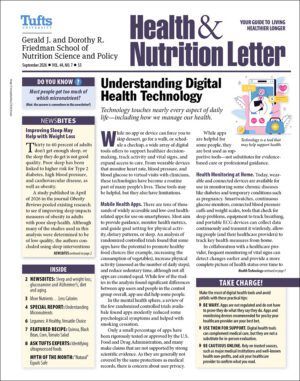
Download the Full September 2026 Issue PDF
- Understanding Digital Health Technology
- NewsBites
- More Nutrients…Less Calories
- Special Report: Understanding Micronutrients
- Legumes: A Healthy, Versatile Choice
- Featured Recipe: Quinoa, Black Bean, Corn, Tomato Salad
- Ask Tufts Experts
- Myth of the Month: “Natural” Equals Safe
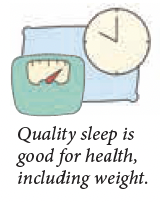
Improving Sleep May Help with Weight Loss
Thirty to 40 percent of adults don’t get enough sleep, or the sleep they do get is not good quality. Poor sleep has been...
Glucosamine Supplements Could Accelerate Alzheimer’s Progression
Despite lack of consistent evidence for benefit, glucosamine supplements are promoted for joint health. A new study linking glucosamine supplementation with accelerated progression of...
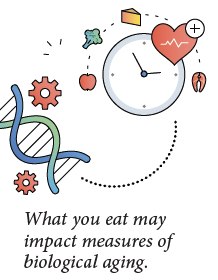
Healthy Diet Associated with Slower Aging
In a study published in June of 2026 in The Journal of Nutrition, researchers compared dietary intake over time to measures of biological aging...
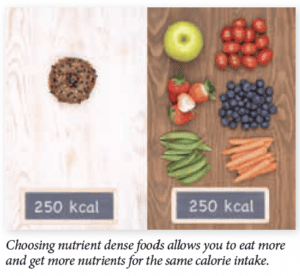
More Nutrients…Less Calories
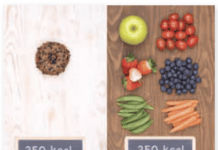
Whether you are looking to improve the quality of your diet, reduce calorie intake for weight loss, or both, nutrient dense foods are the...
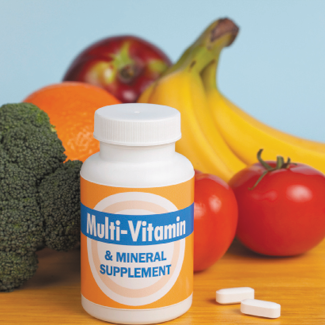
Understanding Micronutrients
While macronutrients (carbohydrates, proteins, and fats) make up the bulk of your dietary intake, all foods and beverages also contain micronutrients (vitamins and minerals)....