















Low-Carb vs. Low-Fat: Which Is Best?
A recent headline-grabbing study seemed to settle the issue of low-carb versus low-fat diets definitively, reporting that a low-carb diet was not only more effective for weight loss, but also better for cardiovascular risk factors. In the yearlong study of 148 obese volunteers, those assigned to a low-carbohydrate regimen lost nearly eight pounds more and showed greater improvements in triglycerides, HDL cholesterol and a standard risk score for heart disease than a low-fat group. Both groups saw similar decreases in unhealthy LDL cholesterol. Researchers said the cardiovascular findings were notable because of concerns that low-carb diets might boost unhealthy cholesterol levels as dieters substitute fats for carbohydrates.

Know Your Onions: Peeling Powerful Nutrition Benefits
The ancient Egyptians were onto something when they paid their pyramid-building crews with onions, and placed onions in the tombs of their pharaohs. In the Biblical account of the Exodus, onions are among the Egyptian foods the children of Israel miss. In ancient Greece, Olympians prepared for the games by drinking onion juice and rubbing their bodies with onions.
Q. For years Ive daily eaten blueberries and a few walnuts with 1% milk....
Q. For years Ive daily eaten blueberries and a few walnuts with 1% milk. But recently I was told that milk neutralizes the antioxidant benefit of the blueberries. Is this true, and if so does milk similarly affect other berries and antioxidant-rich foods? Would yogurt do the same thing?
Q. I was wondering if a gluten-free diet results in any deficiencies in vitamins/minerals...
Q. I was wondering if a gluten-free diet results in any deficiencies in vitamins/minerals or other essential parts of ones diet? My diet is a medical not personal choice.
Q. When the advice says, “Eat five servings of fruits and vegetables daily,” does...
Q. When the advice says, Eat five servings of fruits and vegetables daily, does that mean five fruits plus five vegetables (10 total servings) or five total?
Dairy Loses Luster in Proposed FDA Label Changes
A dairy-industry group is expressing concern over proposed changes to Nutrition Facts labels that might make milk and yogurt appear less nutritious. Under an overhaul unveiled by the US Food and Drug Administration earlier this year, the amounts used to calculate Daily Value (DV) percentages for three key nutrients would be increased: vitamin D, from 10 to 20 micrograms; potassium, from 3,500 to 4,700 milligrams; and calcium, from 1,000 to 1,300 milligrams. That would drop milk below the 20% threshold to be labeled as an excellent source of vitamin D, and milk and yogurt under the 10% cut-off for good source labeling for potassium.In comments submitted to the FDA about the proposals, the International Dairy Foods Association complained that the changes mean such dairy foods will appear to have a lower nutritive value, even if no changes have been made to the product. The trade group warned that the recalculations have the potential to significantly change consumers perceptions of the nutritional profiles of certain foods.
Coffee Genome Cracked
Scientists whove succeeded in sequencing the 25,574 genes of a leading variety of coffee plant say their breakthrough could improve taste, boost coffees health benefits and even lead to naturally decaffeinated coffee. The international project mapped the genome of Coffea canephora, which accounts for 30% of the worlds coffee crop. This knowledge can be used to breed varieties that meet the demands of growers, processors and consumers, such as resistance to leaf rust disease, said the Biodiversity International research group, a partner in the project. Identifying the genes responsible for caffeine production could make it possible to grow caffeine-free coffee beans, it added, noting that 12% of the 2.2 billion cups of coffee consumed daily worldwide are decaf.

Will You Be Part of Salts Global Reach?
If youre worried about getting too much sodium from salt in your diet, a new globe-spanning study reports you should have company among 99% of the worlds population. Daily sodium consumption in the 66 countries studied averaged 3,950 milligrams-nearly twice the maximum recommended by the World Health Organization (WHO). That excess sodium intake, researchers estimated, contributes to about 1.65 million deaths a year worldwide from cardiovascular causes.
Organic Crops Found Higher in Antioxidants
Are organic fruits, vegetables and grains better for you? No one disputes that organic foods are lower in synthetic pesticides, though how important that is to your health remains controversial, as long as levels fall below EPA thresholds. But most studies have found little difference between organic and conventionally grown crops in nutritional value.
Beyond Pumpkin: Harvest the Health Benefits of Winter Squash
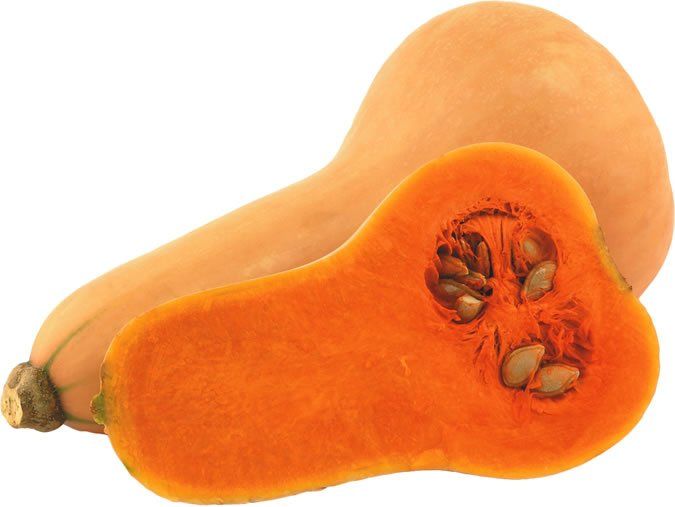
This seasons culinary and cultural spotlight shines on the pumpkin, but the jack-o-lanterns less-celebrated cousins-winter squash-are also at their peak of flavor and nutrition. Like the pumpkin, butternut, acorn and other winter squash are technically fruits, but are consumed more like vegetables. Though they vary by species, winter squash are at least as nutritious as pumpkin and deliver more nutrients than summer varieties like zucchini. Its no wonder the pre-Colombian Native Americans who first cultivated winter squash buried them with their dead to provide nourishment for the journey to the afterlife.