


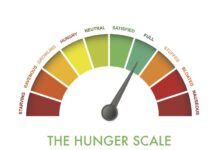




















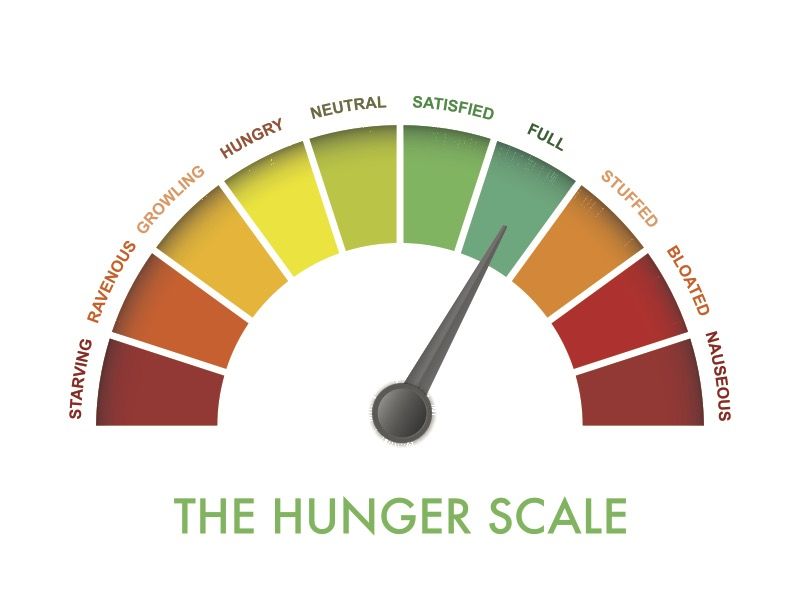
Hunger isn’t random, your hormones decide when it switches on and off. Every day, your stomach, intestines, fat tissue, and brain talk to each other through a network of powerful chemical messengers. These messengers, called appetite-regulating hormones, shape when you feel hungry, how full you feel after eating, and how your body balances energy (calories in versus calories out).
“A hormone called ghrelin rises before meals to stimulate hunger,” says Richard Siegel, MD, and endocrinologist at Tufts Medicine Weight and Wellness Center-Stoneham, “while hormones such as glucagon-like peptide-1 (GLP-1), peptide YY (PYY), and cholecystokinin (CCK) rise after eating to promote fullness and slow digestion. The hormone leptin, which is made by fat cells, helps regulate long-term energy balance. When these hormones function smoothly, the body can maintain a steady rhythm of hunger and satiety.”
Lifestyle Habits. Sleep, stress, diet, and physical activity all influence appetite hormones. “Lack of sleep increases ghrelin and lowers leptin, making people feel hungrier,” says Siegel. “Stress alters the gut-brain communication pathways, often driving cravings for high-calorie foods.”
A healthy diet that includes plenty of fiber-rich plant foods (vegetables, fruit, whole grains, beans/lentils, and nuts/seeds) is helpful in controlling hunger. “I emphasize fiber first,” says Caroline Fox, MS, RDN, a registered dietitian at Tufts Weight and Wellness Center. “Fiber slows digestion, encourages steady hunger cues, and, most importantly, feeds the gut microbiome.”
There is a growing understanding of the role the microorganisms that live in your gut play in appetite regulation. Studies show that gut bacteria ferment some fiber into molecules called short-chain fatty acids (SCFAs). SCFAs are powerful signaling molecules that help regulate appetite pathways. SCFAs can influence both the gut and the brain, affecting hunger and fullness. This helps explain why diets rich in whole and minimally processed foods that are naturally high in fiber tend to support more stable appetite patterns than diets high in ultraprocessed foods (which tend to be low in fiber).
High-fiber diets nourish the microbes that produce SCFAs, while some evidence suggests low-fiber ultraprocessed diets may shift the types of bacteria in your gut toward patterns associated with over-eating.
➧ Aim for regular meals. Consistent eating patterns help regulate ghrelin and prevent intense hunger later in the day.
➧ Prioritize sleep and manage stress. Poor sleep and high stress levels raise ghrelin and lower leptin, increasing appetite.
➧ Focus on sustainable habits. Hormone changes after weight loss can be managed with a consistent healthy diet that doesn’t exceed your calorie needs, regular physical activity, and other lifestyle practices.
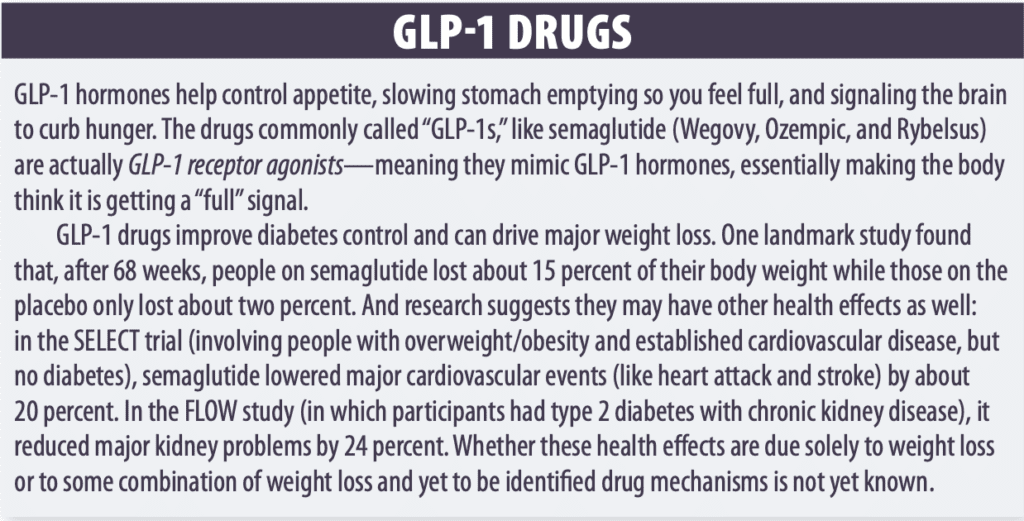
Impact of Weight Loss. Appetite hormones shift when a person loses weight. A large meta-analysis found that weight loss increases the hunger hormone ghrelin, and may temporarily lower fullness hormones like PYY and GLP-1. These changes reflect the body’s attempt to return to its previous weight. But weight regain is not inevitable. “Hormones are only one part of the larger picture,” says Siegel. “Consistent habits and a healthy eating pattern can help people stay in control even as hormones shift.”