





























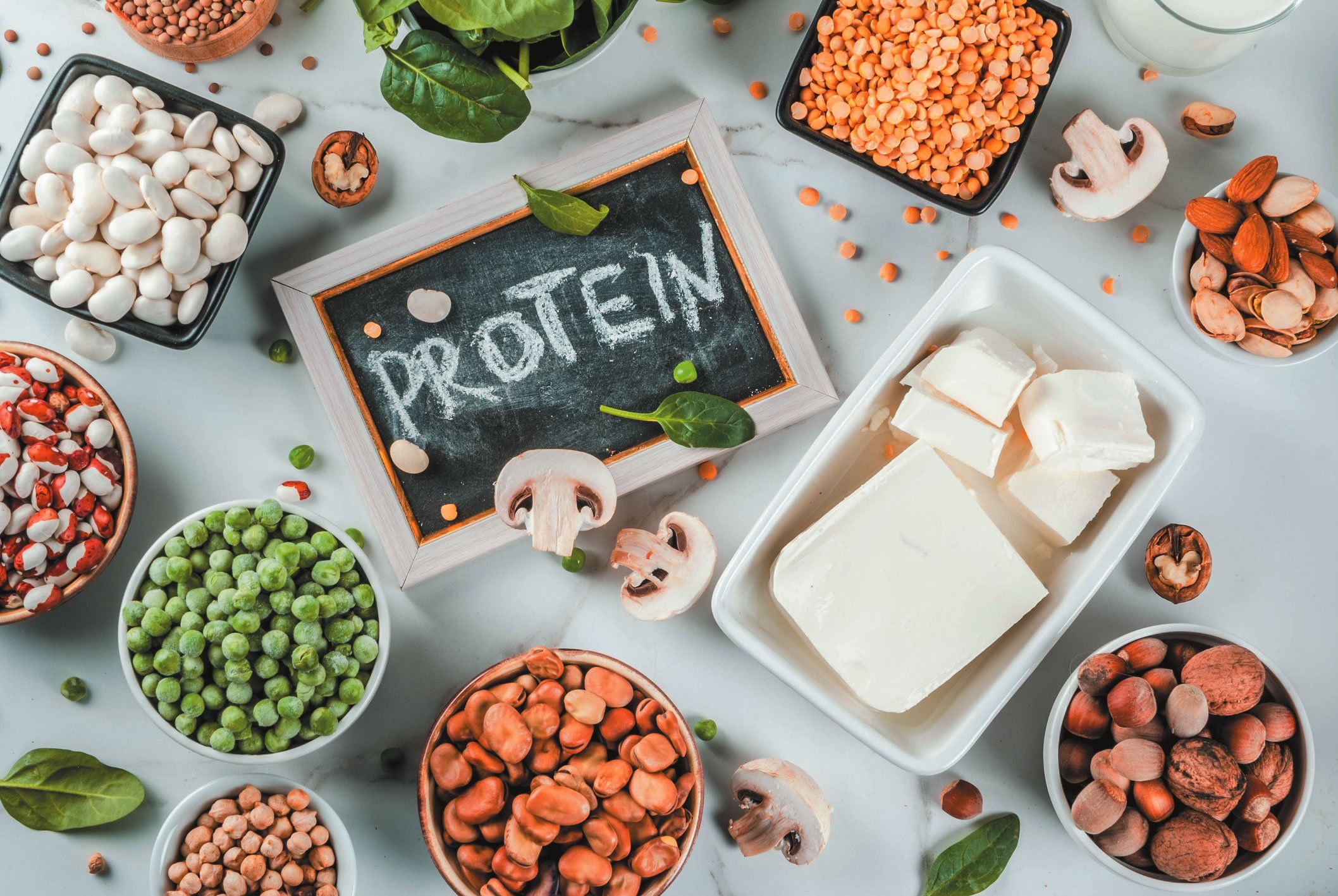
The Power of Plant-Based Proteins
Eating more plant foods is associated with longevity and reduced risk for most chronic diseases, including heart disease and type 2 diabetes. Plant foods (such as whole grains, beans, fruits, vegetables, nuts, and seeds) are rich in health-promoting nutrients and compounds like vitamins, minerals, fiber, and phytochemicals. But plants can also be a good source of protein.

Can Junk Food Taxes Improve Health?
There is currently a lot of interest in whether adjusting food prices could encourage more healthful food choices, and ultimately improve health. Would taxes change buying behavior in meaningful and impactful ways? Would they lead to improved public health? And is it viable (and fair) to implement such policies on a national level? Tufts experts have examined these important issues in several recently published studies.

High Protein Diet May Increase Heart Failure Risk
A new study published in Circulation: Heart Failure concluded middle-aged men who ate higher amounts of protein had a slightly higher risk of heart failure than those who ate less protein. This association was found by following over 2,400 men ages 42 to 60 for an average of 22 years. Protein from fish and eggs was not associated with heart failure in this study.
High body fat may raise diabetes risk, even with normal BMI
New research shows that people who have a high body fat percentage may be more prone to diabetes, even if their body mass index (BMI) classifies them as normal weight. People classified as normal weight according to BMI may have a high percent body fat if they do not have much muscle.
Obesity Increases Cancer Risk
A new report from the World Cancer Research Fund (WCRF) links obesity to 12 types of cancer. The report, Diet, Nutrition, Physical Activity and Cancer: a Global Perspective, analyzed a decade of research to develop cancer prevention recommendations. The analysis found strong evidence that being overweight or obese throughout adulthood increases risk of cancer of the mouth, esophagus, stomach, pancreas, gallbladder, liver, colon, breast (post menopause), ovaries, endometrium, prostate (advanced), and kidney.

The Pros and Cons of Nutrient Density
Research shows that overall dietary patterns have a big impact on health. But people dont buy dietary patterns, they buy foods. Thats why the idea of quantifying the healthfulness of individual foods is so appealing. For packaged foods, Nutrition Facts labels are designed to help, but, more recently, the concept of nutrient density (the number of nutrients per calorie) has been gaining ground as a potential way to help consumers identify the most health-promoting foods. But trying to quantify the healthfulness of foods is a tricky matter.
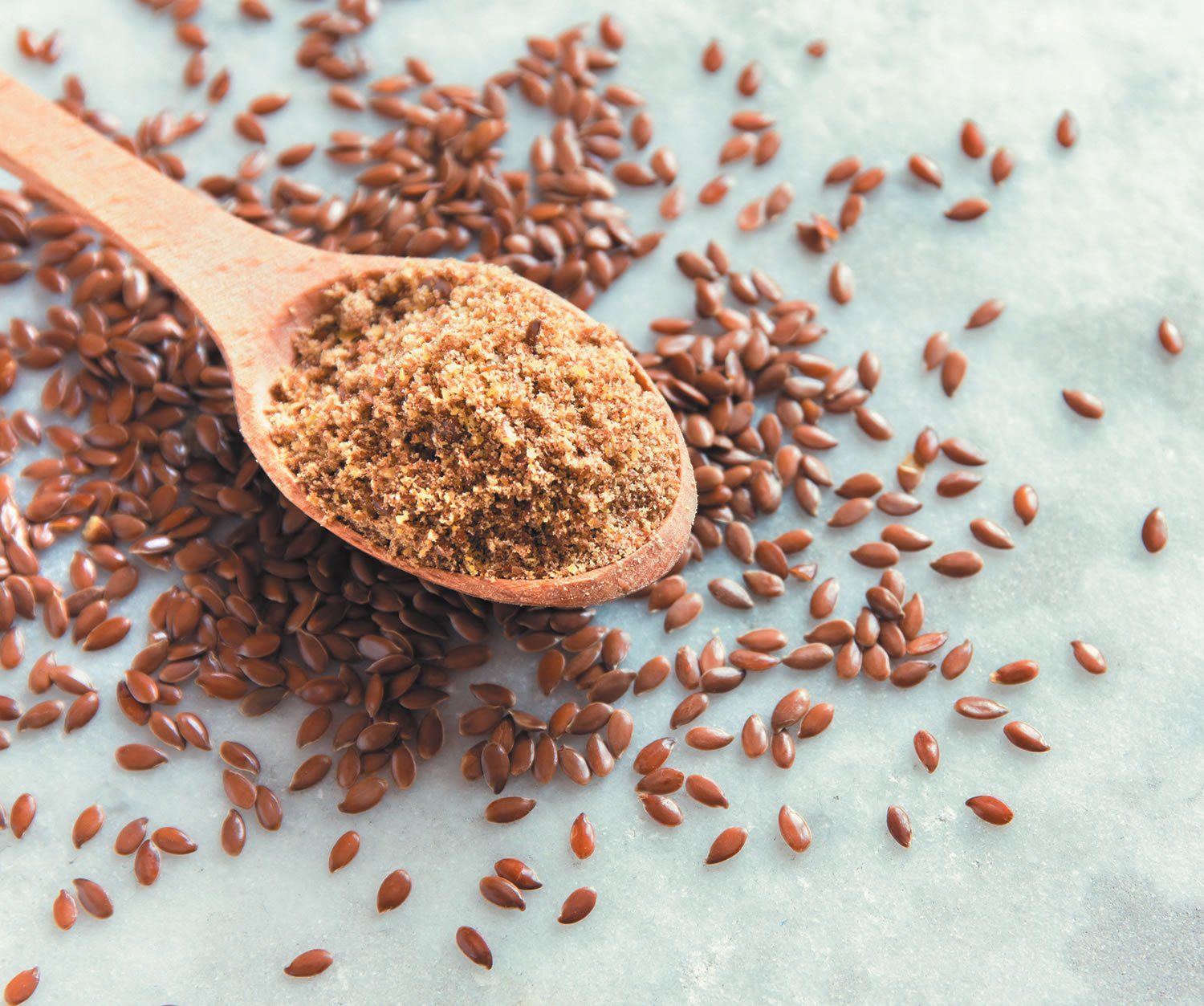
Q. I heard flaxseeds can cause side effects. Should I stop eating them?
Q. I heard flaxseeds can cause side effects. Should I stop eating them?
Q. I see carrageenan on the ingredient list of my organic almond milk. What...
Q. I see carrageenan on the ingredient list of my organic almond milk. What is this, why do they add it, and is it safe?
Q. In the July issue you talked about A2 milk. Could you clarify if...
Q. In the July issue you talked about A2 milk. Could you clarify if this product will help with my lactose intolerance?

Avoiding Dehydration
The hot summer months are upon us, but sweating in the sun is not the only factor that raises risk for dehydration. This potentially dangerous drop in body fluid affects everything from blood pressure to the brain, so knowing the causes, signs, and symptoms of dehydration-as well as how to avoid it-is critical.